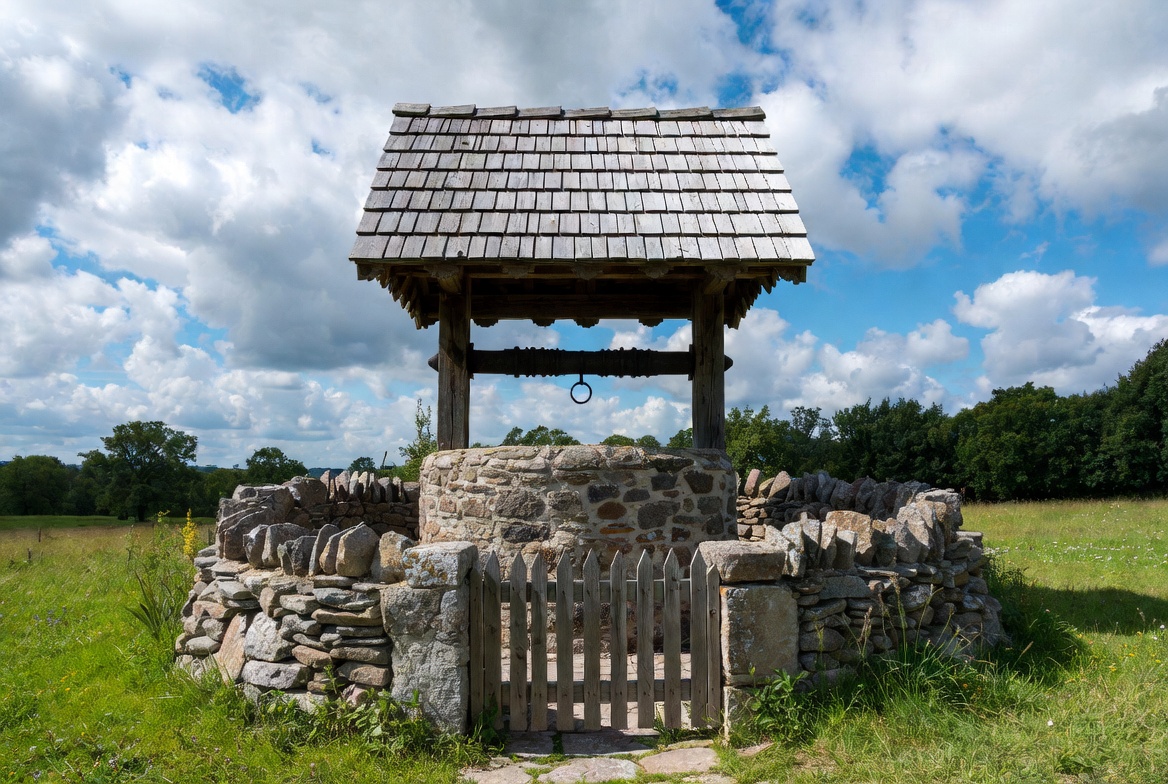
How to Dig Your Own Well for Water: A Complete Guide to Self-Sufficiency
Why You Should Consider Digging Your Own Well
Imagine having unlimited access to fresh water without depending on municipal supplies or worrying about rising water bills. That’s the reality for countless homeowners who’ve taken the plunge into well ownership. Digging your own well isn’t just about saving money, though that’s certainly a benefit. It’s about achieving genuine independence and security for your household’s most essential resource.
Whether you’re building a rural homestead, preparing for emergencies, or simply tired of paying utility companies, a personal water well offers peace of mind that’s hard to put a price on. Let me walk you through everything you need to know to make this happen safely and effectively.
Understanding Your Water Table: The Foundation of Everything
What Exactly Is a Water Table?
The water table is essentially the level below ground where the soil becomes saturated with water. Think of it like the surface of an underground lake that extends beneath your property. This level isn’t static—it changes with seasons, rainfall, and local geology. In some areas, you might find water just 10 feet down. In others, you could be drilling 300 feet or more.
Understanding your specific water table depth is absolutely crucial before you start digging. If you dig too shallow, you’ll hit dry earth. If you underestimate depth and spend weeks digging only to find nothing, you’ve wasted valuable time and energy.
How to Research Your Local Water Table
You don’t have to be a hydrogeologist to figure this out. Start by contacting your local well drilling association or county extension office. These folks have maps and data about water depths in your region. They can tell you typical depths for properties near yours, which gives you a reasonable starting point.
Another smart move? Talk to your neighbors who already have wells. They’re goldmines of practical information. Ask them how deep their wells are, what they encountered while digging, and whether they’ve had any issues. Real-world experience from people nearby beats theoretical knowledge every single time.
You can also check with the USGS (United States Geological Survey) website, which offers detailed groundwater information for most areas. Some regions even have interactive maps showing historical water table depths by location.
Legal Considerations: Don’t Skip This Critical Step
Permits and Local Regulations
Before you put a shovel in the ground, you absolutely need to understand local regulations. I know paperwork seems boring compared to the actual digging, but skipping this part can lead to hefty fines or even being forced to fill your completed well.
Most areas require a well permit. Contact your local health department or water resources office to find out what’s needed in your jurisdiction. Some places are pretty relaxed about private wells, while others have strict requirements about well depth, water quality testing, and setback distances from septic systems or property lines.
Typical requirements often include:
- Minimum distance from septic systems (usually 50-100 feet)
- Distance from property lines
- Proper well casing specifications
- Water quality testing before use
- Professional inspection in some cases
Checking for Underground Utilities
Before digging anywhere on your property, you must call the utility locating service. In the United States, you can call 811 (or check with your state’s equivalent) to have underground gas lines, electrical cables, and water lines marked. This isn’t optional—hitting a gas line or electrical cable could be catastrophic.
Wait for the marking crews to come out, and they’ll paint or flag the locations of utilities. This typically takes a few days, so plan accordingly. It’s a small delay that could literally save your life.
Gathering Your Tools and Materials
Essential Equipment for Manual Well Digging
If you’re going the manual route, you’ll need specific tools designed for this kind of work. Here’s what should be on your shopping list:
- Shovel and spade: A sturdy, long-handled shovel is your primary digging tool
- Pickaxe: For breaking up hard soil and clay layers
- Bucket and rope: To remove excavated soil from the hole
- Level: To ensure your well opening is properly positioned
- Tape measure: For measuring depth and diameter as you progress
- Well casing pipe: PVC or steel pipe to line your well
- Gravel and sand: For filtering layers around the casing
- Safety equipment: Hard hat, gloves, work boots, and rope harness
Mechanical Alternatives
If manual digging sounds overwhelming—and honestly, it is for most people—you have options. You can rent or hire:
- Post hole diggers for shallow wells
- Backhoes for moderate depths
- Professional well drilling rigs for deeper wells
While hiring professionals costs more upfront, it often saves tremendous time and physical strain. Many people find this a reasonable investment, especially if their water table is deep.
Different Methods for Digging Your Well
The Hand-Dug Well Method
This is the traditional approach that’s been used for centuries. You’re literally using your own two hands and basic tools to create your water source. It’s physically demanding but deeply satisfying when you finally strike water.
Hand-dug wells work best when your water table is relatively shallow—generally less than 30 feet. Beyond that, the effort required becomes almost impossible. You’ll be excavating a hole roughly 2 to 3 feet in diameter, working deeper and deeper until you reach the water table.
The Dug and Drilled Well Combination
Some people use a hybrid approach: they dig manually until they hit harder soil layers, then use a hand-auger or power drill to bore deeper. This combines human labor with mechanical assistance, making it more practical for reaching water tables at moderate depths.
Professional Well Drilling
If you’re looking for reliability and speed, professional drilling is the way to go. Modern drilling rigs can bore hundreds of feet deep, handling nearly any geological condition. Yes, it costs more, but you get a properly completed well with professional-grade casing and equipment.
Step-by-Step Guide to Digging Your Well
Phase One: Site Preparation and Marking
Start by choosing your exact location. Make sure it’s in a spot that won’t interfere with your septic system, drainage fields, or future construction. Mark a circle where you’ll dig—roughly 3 feet in diameter is standard for hand-dug wells.
Double-check that you’ve had utilities marked and that you have any required permits. This is your last chance to back out before investing serious effort.
Phase Two: The Initial Excavation
Begin removing soil from your marked circle. Start shallow and work your way down, removing soil layer by layer. You’re not drilling—you’re scooping and hauling. Use a bucket lowered by rope to remove soil as you dig deeper, rather than trying to throw it all out of the hole. This saves energy and keeps your work area cleaner.
Keep track of the soil types you encounter. When you start seeing sand, gravel, or increasing moisture, you’re getting close to the water table. Different soil types tell you a story about what’s happening underground.
Phase Three: Reaching the Water Table
As you dig deeper, the earth becomes increasingly difficult to work with. You may need to use your pickaxe to break through clay or rocky layers. Keep checking the hole’s bottom for moisture signs. When you start seeing water seeping in or the bottom becomes muddy, you’ve found your water table.
You don’t necessarily need to stop digging the moment you hit water. Many experts recommend continuing another 10 to 15 feet below the water table to reach the more productive aquifer layers beneath. This gives you better water flow and helps you avoid seasonal fluctuations.
Phase Four: Creating a Stable Wall
As your hole gets deeper, soil walls become unstable. You need to install casing—essentially a pipe lining—to prevent cave-ins and contamination. Most people use PVC pipe, typically 4 to 6 inches in diameter, though steel is more durable for deep wells.
Start lowering casing sections into the hole as you dig, adding sections as you go deeper. This is critical for safety and functionality. A collapse could trap you or render your well unusable.
Installing Proper Well Casing: Your Water’s Protection
Choosing the Right Casing Material
Your casing material determines how long your well lasts and how protected your water remains. PVC is affordable and works fine for shallow to moderate wells, but it can degrade under UV exposure and extreme temperatures. Steel or stainless steel casing is more durable but costs significantly more.
The casing extends from the bottom of your well all the way to above ground level. This protects groundwater from surface contamination and prevents soil collapse into your well opening.
Sealing Around the Casing
Once your casing is in place, you need to seal the space between the casing and the hole walls. This prevents surface runoff and contaminants from flowing down alongside the casing into your water. Use bentonite clay or cement grout for this purpose—it creates a watertight seal.
Apply your sealant around the top 10 feet of casing, at minimum. Some regions require sealing the entire depth. Check your local codes to be sure.
Installing Your Well Pump and Getting Water to the Surface
Hand Pump Options for Simple Systems
If you want to keep things truly simple and self-sufficient, a manual hand pump is your answer. These mechanical pumps require no electricity and can operate for decades with minimal maintenance. They’re slower than powered pumps, but they’re reliable and require no electrical infrastructure.
Electric Submersible Pumps
For most households, an electric submersible pump makes life more convenient. These pumps sit underwater in your well and push water to the surface and into your home’s plumbing system. They require electrical connection and a pressure tank, but deliver consistent water pressure throughout your house.
The pump sits below the water table, ensuring it always has water to pump. Installation involves lowering the pump down the casing and connecting electrical wiring through a waterproof conduit.
Water Testing: Ensuring Your Water Is Safe
Why Water Testing Isn’t Optional
Never, and I mean never, drink well water without testing it first. You can’t see, taste, or smell most dangerous contaminants. Bacteria, nitrates, arsenic, and other hazards could be present without any obvious signs. Testing takes the guesswork out of safety.
What Gets Tested
Basic water testing checks for:
- Bacteria and E. coli
- Nitrates and nitrites
- pH levels
- Hardness
- Iron and manganese
- Arsenic
- Radon (in some areas)
Your local health department can recommend certified testing labs. They’ll collect samples and provide detailed results. If problems emerge, they’ll recommend treatment solutions like filtration systems or chlorination.
Test your water before you start using it regularly, then annually afterward. If you notice changes in water color, taste, or smell, get it tested immediately.
Ongoing Maintenance for Long-Term Well Health
Regular Inspection and Cleaning
Your well isn’t a “dig it and forget it” project. It requires regular attention. Inspect the well head and casing periodically, looking for cracks, leaks, or damage. Keep the area around your well clear of debris and potential contamination sources.
If sediment accumulates in your well, you may need professional cleaning. A buildup of sand and silt can clog your pump and reduce water quality.
Pump Maintenance
Whether you’re using a hand pump or electric submersible pump, maintenance is essential. Hand pumps need occasional lubrication and seal replacement. Electric pumps require annual inspection and occasional repairs or replacement.
Keep spare pump parts on hand, or know who to call for repairs. When your well pump fails, you’re without water until it’s fixed. Having backup solutions prepared prevents this from becoming a crisis.
Protecting Your Well from Contamination
Keep your well protected from surface contamination. Never store chemicals, fuel, or fertilizers near your well. Maintain your septic system properly if you have one. Don’t allow stormwater to collect around the well head. These simple precautions protect the water source you’ve worked so hard to establish.
Common Mistakes to Avoid
Digging in the Wrong Location
Many well failures happen because people dig where hydrogeology isn’t favorable. They guessed at water table depth or chose a location based on convenience rather than geology. Do your research first. Talk to neighbors, consult maps, and maybe even hire a hydrogeologist for site assessment.
Skipping Permits and Legal Requirements
I know I mentioned this before, but it’s worth repeating. Ignoring local regulations creates legal headaches down the road. You might be forced to fill the well or face substantial fines. Do the paperwork right the first time.
Inadequate Sealing and Casing
Cutting corners on well casing installation is tempting when you’re tired from digging, but it’s false economy. Poor sealing allows contamination into your water source. Cheap casing fails prematurely. Invest in proper materials and installation.
Skipping Water Testing
This goes without saying, but some people actually skip testing because they assume their water is clean. Groundwater can contain hazardous substances even in pristine-looking areas. Test your water, period.
Inadequate Pump Capacity
Choose a pump that matches your household needs. If you underestimate your water needs and install a weak pump, you’ll have perpetual pressure problems. If you overestimate wildly, you’ve wasted money. Know