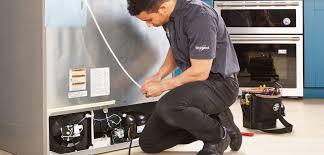
How to Disconnect the Water Line From the Fridge: A Complete Step-by-Step Guide
Have you ever found yourself staring at the back of your refrigerator, wondering how on earth you’re supposed to safely disconnect that water line? You’re not alone. Many homeowners feel intimidated by this task, thinking it requires professional help or specialized tools. Here’s the truth: disconnecting your fridge’s water line is actually something you can do yourself with just a bit of patience and the right information.
Whether you’re planning to move your refrigerator, performing maintenance, or replacing a faulty water line, knowing how to properly disconnect it can save you time, money, and potential water damage to your kitchen. Let me walk you through this process in a way that makes sense, even if you’ve never done anything like this before.
Understanding Your Refrigerator’s Water System
Before we dive into the disconnection process, let’s talk about what we’re actually dealing with here. Your refrigerator’s water system is like the circulatory system of the fridge itself. It delivers water to your ice maker and water dispenser, keeping you hydrated without having to get water from the sink.
Most refrigerators have a water line that connects to your home’s main water supply. This line is typically made of either plastic tubing or copper piping, depending on your fridge model and how old it is. Think of it as an umbilical cord connecting your fridge to your water source – and just like any cord, it needs to be handled carefully when you’re disconnecting it.
Why Might You Need to Disconnect Your Fridge’s Water Line?
There are several legitimate reasons you might find yourself in this situation. Perhaps you’re moving to a new house and need to prepare your refrigerator for transport. Or maybe you’ve noticed that your ice maker isn’t working properly, and you suspect the water line itself might be the culprit. You could also be replacing an old refrigerator with a new one, or you simply want to perform some maintenance work.
Whatever your reason, it’s important to approach this task with the right mindset and preparation. Rushing through the process could result in water leaks or damage to the connection points, which could cost you more money in repairs down the line.
Tools and Materials You’ll Need
Let’s get practical here. You don’t need an extensive toolkit for this job, but having the right items on hand will make everything go much smoother.
- A bucket or towel to catch any remaining water in the line
- An adjustable wrench or socket wrench set
- A flathead screwdriver (optional, but helpful)
- A pair of pliers
- Flashlight or headlamp to see behind the fridge
- Paper towels or rags for cleanup
- A permanent marker for labeling
You might think some of these items are overkill, but trust me – when you’re working in the tight space behind a refrigerator, having good lighting and the right tools makes all the difference. There’s nothing worse than fumbling around in the dark, trying to disconnect a fitting.
Safety Precautions Before You Start
Shut Off Your Water Supply
This is absolutely non-negotiable. Before you touch anything near that water line, you need to shut off your refrigerator’s water supply. Look behind your fridge for the water supply valve – it’s usually a small knob or lever attached to the wall or the refrigerator’s back panel itself. Turn it clockwise to shut off the water flow. This prevents any unexpected water spray or leaks when you’re disconnecting the line.
If you can’t find the fridge’s dedicated water valve, you might need to shut off your entire home’s water supply instead. It’s inconvenient, but it’s worth it for safety.
Unplug Your Refrigerator
I cannot stress this enough: unplug your refrigerator from the wall outlet before you start working on it. Even though you’re not working with the electrical components directly, it’s a crucial safety step. You don’t want any risk of electrical shock, and unplugging also prevents the compressor from running during the disconnection process.
Allow Time for Pressure Release
After you’ve shut off the water supply, wait a few minutes. This allows any pressure that’s built up in the water line to release naturally. It’s kind of like letting a shaken soda bottle settle before you open it – you want to avoid that explosive gush of water.
Preparing Your Work Area
Now let’s talk about the practical setup. You’re going to be working behind your refrigerator, which means you need to create some space.
First, pull your refrigerator away from the wall carefully. If your fridge has wheels, this becomes much easier. If it doesn’t, ask someone to help you – these appliances are heavy, and you don’t want to strain your back or damage your flooring. Pull it far enough out so you can comfortably access the back without contorting yourself into uncomfortable positions.
Once you’ve got your workspace prepared, place those towels and your bucket nearby. Even though you’ve shut off the water supply, there might still be some water remaining in the line. Having absorbent materials ready means you won’t end up with a puddle on your kitchen floor.
Step-by-Step Disconnection Process
Step One: Locate the Water Line Connection
Use your flashlight to examine the back of your refrigerator carefully. You’re looking for a tube or pipe that connects to your fridge. It’s usually made of plastic tubing, but older models might have copper piping. Follow this line – it typically runs from the wall or floor connection point to somewhere on the back of your refrigerator, often to the ice maker area or water dispenser system.
Take a moment to study how the connection is made. Is it a push-fit connection? A threaded fitting? A compression fitting? Understanding what you’re dealing with will help you know what to expect when you start disconnecting.
Step Two: Examine the Type of Connection
There are several types of connections you might encounter, and each requires a slightly different approach.
Push-Fit Connections: These are the most common in modern refrigerators. The tubing simply pushes into a port, and a small clip or collar holds it in place. To disconnect, you’ll usually need to press a small tab or collar while pulling the tubing out. It’s like unplugging a headphone jack – straightforward once you know what you’re looking for.
Compression Fittings: These use a threaded nut that screws onto the connection point. You’ll need your wrench for these. They’re more secure than push-fit connections but take a bit more effort to disconnect.
Barbed Fittings with Hose Clamps: These connections have a small metal or plastic clamp that tightens around the tubing. You’ll need to loosen the clamp with your screwdriver or wrench before you can remove the tubing.
Step Three: Prepare to Catch Water
Position your bucket under the connection point. Even with the water shut off, there’s likely to be some residual water sitting in the line above your disconnection point. This water will drip out once you break the connection, so be ready for it.
Step Four: Disconnect Push-Fit Connections
If you’ve identified a push-fit connection, look for the small release tab or collar. This is usually a small button or ring that you press while gently pulling the tubing away from the port. Hold the tubing steady with one hand while you press the release with the other, then pull smoothly. Don’t yank or twist – a steady, gentle pull works best here.
Sometimes these connections stick a bit, especially if they’ve been in place for years. If it won’t budge, try twisting it slightly while pulling, or apply a small amount of pressure with a flathead screwdriver to the release tab to ensure you’re pressing it fully.
Step Five: Disconnect Compression Fittings
For threaded connections, grab your adjustable wrench. Position it on the nut – the hexagonal piece that screws onto the fitting. Turn counterclockwise to loosen the nut. You don’t need to force it; let the wrench do the work.
Once the nut is loose enough to turn by hand, finish unscrewing it manually. After the nut comes completely off, gently pull the tubing away from the fitting. Again, any remaining water in the line will drip out, so make sure your bucket is positioned correctly.
Step Six: Disconnect Hose Clamp Connections
If your connection uses a hose clamp, use your screwdriver to turn the clamp’s screw counterclockwise. You don’t need to remove the clamp entirely – just loosen it enough that you can slide the tubing off the barbed fitting. Once it’s loose, gently wiggle and pull the tubing away from the fitting.
Step Seven: Inspect the Disconnected Line
Now that you’ve disconnected the water line, take a moment to examine both the tubing and the connection point. Look for any cracks, discoloration, or damage to the tubing. If it looks old, brittle, or discolored, this might have been contributing to your fridge problems.
Check the connection point on the fridge itself as well. It should be clean and free of debris. If you see mineral buildup or corrosion, you might want to clean it with a soft cloth before reconnecting or replacing the line.
What to Do With the Disconnected Water Line
Once you’ve successfully disconnected the water line, you have a few options depending on your situation.
If You’re Replacing the Line: Keep the old line as a reference if you’re installing a new one. The length and type of connection matter, so having the old line handy helps ensure you get the right replacement.
If You’re Just Disconnecting Temporarily: Cap off the disconnected tubing to prevent dust and debris from accumulating inside. You can use a small plastic cap or even wrap the end in plastic wrap secured with a rubber band.
If You’re Permanently Disconnecting: Make sure to cap both the connection point on the fridge and the water supply line coming from the wall. This prevents water from leaking out of the supply line and keeps debris out of the fridge connection.
Dealing With Common Issues During Disconnection
The Connection Won’t Budge
If you’re struggling to disconnect the water line, don’t panic. Sometimes connections get stuck due to mineral deposits or corrosion. Try applying a bit of penetrating oil, like WD-40, around the connection point and let it sit for a few minutes. This helps loosen stubborn fittings. Then try again with gentle, steady pressure.
Water Won’t Stop Dripping
If water continues to drip from the line even after the supply is shut off, you might not have shut off the water completely. Double-check the valve you turned. If it’s already fully off and water is still flowing, there might be an issue with the valve itself – in that case, you might need to shut off your home’s main water supply instead.
The Tubing Has Kinked or Collapsed
If you notice the tubing is kinked or damaged during disconnection, this is actually valuable information. This kind of damage can restrict water flow and explain why your ice maker might not be working properly. When you reconnect or replace the line, avoid kinking it again by ensuring it takes a gradual, gentle path from the supply to the fridge.
Post-Disconnection Steps
After you’ve successfully disconnected the water line, there are a few things you should do to protect your refrigerator and your home.
First, clean up any water that spilled during the process. While a little water isn’t a big deal, you want to make sure your kitchen floor isn’t slippery or that water hasn’t gotten into any electrical outlets.
Second, if you’re planning to leave your fridge disconnected for an extended period, cap both ends of the water line and the connection point on the fridge. This prevents contamination and pests from entering the lines.
Third, if you’ve been working with the fridge pulled away from the wall, clean the area behind it while you have it moved out. There’s probably a surprising amount of dust and debris back there that’s been accumulating.
When to Call a Professional
Most people can handle a simple water line disconnection, but there are situations where professional help makes sense.
If you encounter a water line that won’t disconnect despite your best efforts, or if you’re uncomfortable working with your appliance’s water system, it’s perfectly fine to call a professional plumber or appliance technician. They have experience with all types of connections and can ensure the job is done safely.
If you notice signs of water damage or leaking around the connection area even after shutting off the water, definitely call a professional. You might have a larger issue than a simple disconnection.
Reconnecting Your Water Line: A Quick Overview
Once you’ve completed whatever task required the disconnection, you’ll need to reconnect that water line. The process is basically the reverse of what you’ve just done.
Make sure the water is still shut off. Line up the tubing or fitting with the connection point, and gently push or screw it back in, depending on your connection type. For push-fit connections, you should hear or feel a click when it’s fully seated. For compression fittings, hand-tighten first, then use your wrench for a final snug fit – don’t overtighten.
Once everything is connected, turn the water supply back on gradually and watch for leaks. If you see any dripping, turn the water off immediately and check your connection.
Conclusion
Disconnecting your refrigerator’s water line might seem daunting at first, but as you’ve learned, it’s actually a manageable task for most homeowners. The key is taking your time, preparing properly, and understanding what type of connection you’re working with. By following the steps outlined in this guide – shutting off the water, unplugging the fridge, locating the connection, and carefully disconnecting using the appropriate method – you can handle this job safely and effectively.
Remember, the most important safety measures are shutting off the water supply first and unplugging your refrigerator. These two steps alone prevent most accidents and complications. With a bucket ready to catch residual water, the right tools on hand, and patience, you’ll have your water line disconnected before you know it. And the next time you need to move your fridge, perform maintenance, or replace that water line, you’ll know exactly what to do. You’ve got this.
Frequently Asked Questions
How long does it take to disconnect a refrigerator’s water line?
For most people, the actual disconnection process takes between five and fifteen minutes, depending on how accessible your connection is and what type of fitting you have. However, you should allow additional time for preparation, such as moving the refrigerator away from the wall and locating the water line connection. Overall, budget around thirty minutes for the complete process to avoid rushing.
Can I disconnect the water line without turning off the water supply?
Technically, yes, but it’s really not a good idea. Without shutting off the water supply first, you’ll get sprayed with water when you disconnect the line, which is unpleasant and can damage your kitchen. Always shut off the water supply before attempting disconnection – it’s the safe and smart approach that prevents mess and potential water damage.