How to Disinfect Water Dispenser: A Complete Guide to Clean, Safe Drinking Water
Let me ask you something—when was the last time you actually thought about the cleanliness of your water dispenser? Most of us fill our cups without giving it a second thought, but here’s the thing: your water dispenser could be harboring bacteria, mold, and mineral buildup that you can’t even see. It’s like having an invisible roommate that nobody invited. In this guide, I’m going to walk you through everything you need to know about keeping your water dispenser squeaky clean and your water genuinely safe to drink.
Understanding Why Water Dispenser Disinfection Matters
Your water dispenser is basically a gateway between you and contamination. Think of it as a security checkpoint that either lets the good stuff through or allows the bad stuff to slip past. Over time, bacteria can colonize the internal surfaces, biofilms can form in hard-to-reach places, and mineral deposits can accumulate, creating the perfect environment for microbial growth.
The water that flows through your dispenser sits in tanks and pipes, which means there’s plenty of opportunity for unwanted guests to set up shop. If you’re not regularly disinfecting your unit, you could be consuming water that’s less clean than you think. This is especially concerning if you have children, elderly family members, or anyone with a weakened immune system in your home.
Different Types of Water Dispensers and Their Cleaning Needs
Top-Loading Water Dispensers
Top-loading dispensers are probably the most common type you’ll find in homes and offices. You know the ones—where you lift a water bottle and place it upside down into the dispenser. These units are convenient, but they’re also prone to contamination because the bottle opening is exposed to air every time you change it. The internal components need regular attention to prevent bacterial growth.
Bottom-Loading Water Dispensers
Bottom-loading dispensers are sleeker and require less lifting, but don’t let their modern design fool you. They still need just as much cleaning attention as their top-loading cousins. In fact, sometimes the hidden components make them trickier to disinfect thoroughly.
Point-of-Use Water Dispensers
These dispensers connect directly to your water line and filter water on demand. While they eliminate the bottle-changing hassle, they require filter replacements and regular tank disinfection. The advantage here is that they often have better filtration systems built in, but they still need your maintenance efforts.
Signs Your Water Dispenser Needs Cleaning
How do you know when it’s time to disinfect? Well, your senses can tell you quite a bit. If you notice any of these red flags, it’s definitely time for a thorough cleaning session:
- Strange or off-putting smells coming from the dispenser
- Visible discoloration or staining inside the unit
- Cloudy water or particles floating in your cup
- A funky taste to the water that wasn’t there before
- Slimy buildup around the tap or inside the tank
- Water pressure that’s noticeably weaker than usual
- Green or black spots indicating mold growth
The Timeline for Regular Disinfection
Even if you don’t see any obvious problems, you should still maintain a regular cleaning schedule. Most experts recommend disinfecting your water dispenser every three to six months as a preventative measure. If you use the dispenser heavily, like in a busy office, you might want to bump that up to every two months. This way, you’re staying ahead of any potential issues rather than playing catch-up.
Essential Supplies for Water Dispenser Disinfection
Before you dive into cleaning, let’s talk about what you’ll actually need. You don’t need fancy or expensive products. In fact, many of the best cleaning solutions are probably already hiding in your cabinet.
- White vinegar (a natural disinfectant powerhouse)
- Baking soda (great for scrubbing without scratching)
- Bleach solution (for heavy-duty disinfection)
- Food-grade hydrogen peroxide (safe and effective)
- Clean, lint-free cloths or soft brushes
- Gloves to protect your hands
- A bucket for mixing solutions
- Tap water for rinsing
Choosing Between Natural and Chemical Disinfectants
Here’s where you get to make a choice. Are you more of a natural-cleaning person, or do you want to go with commercial disinfectants? Both approaches work, and honestly, a combination of the two often gives you the best results. Natural options like vinegar and baking soda are safe, cost-effective, and environmentally friendly. Chemical disinfectants like diluted bleach are more aggressive and kill a wider spectrum of bacteria and viruses, making them ideal for serious contamination situations.
Step-by-Step Guide to Disinfecting Your Water Dispenser
Step 1: Unplug and Prepare Your Dispenser
Safety first! Always unplug your water dispenser before you start any cleaning procedure. This protects you from electrical hazards and ensures you can work safely without worrying about the unit suddenly activating. Let the dispenser sit for a few minutes so any remaining water can settle. If you have a bottom-loading or point-of-use model, you might also want to turn off the water supply to be extra cautious.
Step 2: Empty and Remove the Water Tank
For top-loading dispensers, remove the water bottle completely. For other models, you’ll want to drain any remaining water from the system. Open the hot and cold taps at the front of the dispenser and let them run until the water stops flowing. You might be surprised at how much water was sitting in there.
Step 3: Clean the Exterior
Start with the outside of your dispenser. Wipe down the entire exterior with a damp cloth and a mild detergent or a vinegar solution. Pay special attention to the tap area where your cup comes into contact. This is where bacteria love to hang out because it gets touched frequently. Don’t forget about the bottom edges and the back of the unit where dust tends to accumulate.
Step 4: Clean the Tap and Spout
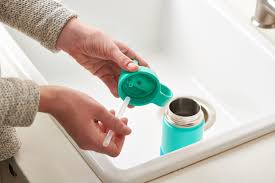
The tap is ground zero for contamination. Take off any removable parts if your dispenser allows it. If the taps are removable, soak them in a bowl of vinegar or diluted bleach solution for about 15 minutes. Use a soft brush to scrub away any buildup, then rinse thoroughly under running water. If the taps aren’t removable, you can use a small brush or cloth to get into the crevices and clean as thoroughly as possible.
Step 5: Prepare Your Disinfectant Solution
Now comes the main event. You’ll create a disinfectant solution to clean the internal components. If you’re using the vinegar method, mix equal parts white vinegar and water. For bleach, create a solution with one teaspoon of bleach per gallon of water—don’t go overboard here because you want it strong enough to kill germs but safe enough that residual bleach won’t affect your drinking water. If you prefer hydrogen peroxide, a 3% solution works wonderfully.
Step 6: Flush the System with Your Disinfectant
Pour your disinfectant solution into the water tank or direct it into the top of the dispenser. Let it flow through the system by opening both the hot and cold taps. You want the solution to coat all the internal surfaces where bacteria might be lurking. Let this flow for a few minutes until you’ve gone through your entire batch of disinfectant.
Step 7: Let It Sit and Work Its Magic
This is the patience part. After you’ve flushed the system, close the taps and let the remaining disinfectant sit inside the dispenser for about 10 to 15 minutes. This gives the cleaning solution time to break down biofilms and kill bacteria that are clinging to the surfaces. Think of it like letting a stain treatment sit on your clothes before washing—sometimes you need to give it a minute to actually work.
Step 8: Flush Thoroughly with Clean Water
This step is absolutely critical. You need to flush out all traces of the disinfectant because you don’t want to be drinking cleaning solution. Fill the tank with fresh water and run it through both taps until you don’t smell any vinegar, bleach, or other chemical odors. You might need to do this a few times to be completely sure. This is where patience really pays off.
Step 9: Clean the Water Tank Itself
If your dispenser has a removable tank, don’t skip this step. Fill it with your disinfectant solution and let it sit for a while. You can use a soft brush to gently scrub the inside walls, then rinse it multiple times until it’s completely clean. This is where a lot of people miss hidden contamination, so take your time here.
Step 10: Reassemble and Test
Once everything is clean and rinsed, reassemble your dispenser carefully. Replace the water tank or bottle, reattach any removable parts you took off, and plug the unit back in. Run some water through it to make sure everything is working properly and that you don’t smell or taste anything unusual. The water from the first cup might still have a slight taste from the cleaning solution—if so, just let it run a bit longer.
Deep Cleaning Techniques for Stubborn Buildup
Dealing with Mineral Deposits
If you live in an area with hard water, you’ve probably noticed that white, crusty buildup inside your dispenser. This is mineral deposit territory. Vinegar is absolutely fantastic for this because the acidity dissolves these mineral layers. For stubborn deposits, make a stronger vinegar solution or let it soak longer. You can also use commercial descaling products designed for water dispensers if the vinegar isn’t cutting it.
Tackling Mold and Algae Growth
If you see green or black spots, you’re dealing with mold or algae. These organisms are tougher customers. A bleach solution is your best bet here because it’s more aggressive than vinegar. Mix your bleach solution, run it through the system, and let it sit for longer—maybe 20 to 30 minutes. Then flush thoroughly. The more aggressive disinfectant is worth it when you’re fighting visible contamination.
Removing Biofilm
Biofilm is like a slimy protective layer that bacteria creates. It’s harder to kill than individual bacteria because the film shields them from disinfectants. To fight biofilm, use a combination approach: start with vinegar to break down some of the film, then follow up with a bleach solution to kill what’s underneath. Some people find that using a soft brush while the disinfectant is still working helps physically remove the biofilm.
Maintenance Tips to Keep Your Dispenser Cleaner Longer
Weekly Quick-Clean Routine
You don’t need to do a full deep clean every week, but a quick maintenance routine goes a long way. Wipe down the tap and spout area with a damp cloth daily if possible. This prevents bacteria from building up on the surfaces that touch your cup. Once a week, run some clean water through both taps to flush out any particles that might be sitting in the lines.
Proper Water Bottle Handling
If you’re using a top-loading dispenser, handle your water bottles carefully. Before inserting a new bottle, wipe the bottle opening and the connection point on the dispenser with a clean cloth. This reduces the amount of dust and bacteria that enters the system with each bottle change. It seems simple, but this one habit can significantly reduce contamination.
Filter Replacement Schedules
If your dispenser has filters, follow the manufacturer’s recommended replacement schedule religiously. A clogged or expired filter is less effective at catching contaminants, and it can also harbor bacteria itself. Mark your calendar or set a phone reminder if you tend to forget. A new filter is cheap insurance for clean water.
Temperature Management
Keep your dispenser in a cool place away from direct sunlight. Bacteria and algae thrive in warm, light conditions. If your dispenser has both hot and cold water functions, use them regularly. The hot water especially helps keep the system cleaner because heat naturally inhibits bacterial growth.
Common Mistakes People Make When Disinfecting
Not Flushing Thoroughly Enough
The biggest mistake I see is people rushing through the final rinsing steps. They’ll flush a couple of times and call it good. But you really need to rinse multiple times until you’re absolutely certain there’s no cleaning solution left in the system. Residual bleach or vinegar can affect the taste of your water and potentially be harmful in large amounts.
Using Too Much Bleach
More isn’t better when it comes to bleach. If you use too strong a solution, you risk not completely removing it, and you can damage certain components of your dispenser. Stick to the recommended ratio: one teaspoon per gallon of water. This is strong enough to kill everything you need it to kill.
Forgetting About the Water Tank
Many people clean the dispenser unit itself but neglect the water tank. The tank is just as important because that’s where the water sits for extended periods. If the tank is dirty, it will re-contaminate the water that you just cleaned for. Always give the tank a good cleaning as part of your routine.
Not Cleaning Frequently Enough
I get it—cleaning appliances isn’t fun. But skipping your regular maintenance because you’re busy is setting yourself up for problems. By the time you get around to it, you might be dealing with serious contamination that requires aggressive cleaning. Better to spend 30 minutes every few months than an hour dealing with mold.
Professional Disinfection Services: When to Call a Pro
Sometimes, a DIY approach just isn’t enough. If you’re dealing with severe contamination, persistent odors that won’t go away after multiple cleanings, or if your dispenser is an older model with components you’re not comfortable taking apart, calling a professional might be your best bet. Professional cleaning services have specialized equipment and solutions that can reach places you might not be able to access yourself.
Professional disinfection typically costs between $100 and $300 depending on your location and the severity of the contamination. While that’s more than doing it yourself, the peace of mind and thorough cleaning can be worth it, especially if you rely heavily on your dispenser for drinking water.
Water Quality Testing After Disinfection
After you’ve disinfected your dispenser, you might wonder if you actually got it clean enough. That’s where water testing comes in. You can purchase affordable home water testing kits that check for common contaminants like bacteria, chlorine, and mineral content. These kits are usually available at hardware stores and online for $20 to $50. Alternatively, you can contact your local health department, and many will test your water for free or a small fee.
Testing is especially important if anyone in your household has health concerns or if you’ve noticed persistent problems with your water. It gives you concrete data rather than just guessing whether your cleaning was effective.
Conclusion
Disinfecting your water dispenser isn’t rocket