How to Distil Water at Home: A Complete Step-by-Step Guide
Have you ever wondered what’s actually swimming around in your tap water? I mean, we turn on the faucet and assume it’s clean, but the reality is far more complicated. Your municipal water supply contains minerals, chemicals, and sometimes contaminants that you might not want flowing through your body. That’s where water distillation comes in—a surprisingly simple process that can transform ordinary tap water into something pure and clean.
In this comprehensive guide, I’m going to walk you through everything you need to know about distilling water at home. Whether you’re concerned about water quality, interested in preparing for emergencies, or simply curious about this ancient purification method, you’ll find practical, actionable information here. Let’s dive in.
Understanding Water Distillation: What It Really Is
Before we get our hands dirty with the actual distillation process, let’s talk about what distillation actually does. Think of it like nature’s way of purifying water. When water evaporates naturally from the ocean, it leaves behind all the salt and minerals. The clouds form from pure water vapor, and when it rains, you get relatively clean water. Distillation mimics this natural process in your own kitchen.
The basic principle is straightforward: you heat water until it becomes steam, then collect that steam and cool it back down into liquid form. The impurities—minerals, chemicals, bacteria, and other dissolved solids—stay behind in the original container because they have higher boiling points than water itself.
Why Would You Want Distilled Water?
I get asked this question all the time, and the answer depends on your specific situation. Some people use distilled water for medical devices like CPAP machines or humidifiers. Others prefer it for their coffee or tea because they believe it tastes better. Then there are folks who use it for aquariums, car batteries, or plant watering. The reasons are as varied as the people asking, but they all point to one thing: distilled water is incredibly useful to have around.
The Science Behind Distillation
Let me break down the chemistry for a moment, but I’ll keep it simple—I promise. Water molecules have a boiling point of 100 degrees Celsius at sea level. Most minerals and dissolved solids have higher boiling points, so they don’t evaporate when water does. Some bacteria and viruses are also killed by the heat, making distillation a form of purification.
However—and this is important—distillation doesn’t remove everything. Some volatile organic compounds with low boiling points might actually evaporate along with the water. For most household purposes, though, distillation is incredibly effective.
What You’ll Need to Start Distilling Water at Home
The beauty of home water distillation is that you probably already have most of what you need. If you don’t, these items are inexpensive and readily available.
Essential Equipment for DIY Distillation
- A large pot with a lid (stainless steel or glass works best)
- A heat source (your stove)
- A heat-resistant glass bowl or container that fits inside your pot
- Ice or ice packs
- A collection vessel for your distilled water
- A thermometer (optional but helpful)
- Marbles or a coin (to help with condensation)
- Distilled water storage bottles (glass is preferable)
Some people upgrade to more sophisticated setups like countertop water distillers, which are basically automated versions of the DIY method. But if you’re just starting out or want to save money, the basic kitchen method works wonderfully.
The Simple Method: Boiling and Condensation
This is the method I recommend for beginners because it’s straightforward and uses equipment you already have at home.
Step One: Setting Up Your Distillation Apparatus
First, fill your large pot with about two inches of tap water. Place your heat-resistant glass bowl in the center of the pot, making sure it floats on the water or sits securely on a trivet. The water level should surround the bowl but not overflow into it—imagine the bowl is an island in a small lake. Add a few marbles or a coin to the water; this helps with condensation patterns and prevents the bottom from getting too hot.
Step Two: Preparing for Collection
Place a collection bowl inside the floating glass bowl. This is where your pure distilled water will collect. Some people use a smaller glass jar for this purpose. The key is ensuring it won’t tip over as your apparatus heats up and the water circulates.
Step Three: Creating the Condensation System
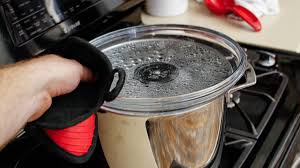
Now here’s where it gets interesting. You’ll invert the pot lid and place it on top. But before you do that, fill the top surface of the lid with ice or ice packs. As the water below boils and creates steam, that steam will hit the cold lid, condense back into liquid form, and drip down into your collection bowl. It’s really quite elegant when you think about it—you’re essentially creating a miniature water cycle right on your stove.
Step Four: Applying Heat
Turn your stove to medium or medium-high heat. You want a steady, consistent boil, not a rolling boil that splashes water everywhere. The water in the outer pot will begin to boil first. As it does, steam rises and hits the cold ice-covered lid. This is when the magic happens. You’ll see water droplets forming on the underside of the lid, and those droplets will gradually drip down into your collection bowl.
Step Five: The Collection Process
This is the patience part. Distillation isn’t a quick process. Depending on how much water you’re distilling and your heat settings, you might collect just a cup or two of distilled water in 30 to 45 minutes. Some people distill overnight using very low heat to collect larger quantities. The slower the process, the more complete the purification tends to be.
Step Six: Finishing Up
Once you’ve collected enough distilled water, carefully remove the lid and turn off the heat. Let everything cool down for a few minutes before handling. Pour your freshly distilled water into clean storage bottles. Glass bottles with sealed lids are ideal because they prevent contamination and keep the water fresh longer.
Troubleshooting Common Distillation Problems
What If No Water Is Collecting?
This usually means your ice supply isn’t cold enough or you haven’t reached a proper boil. Try replacing the ice with fresh ice packs or even a bag of frozen vegetables. Make sure your pot lid is positioned correctly to catch and redirect the condensation.
What If My Distilled Water Tastes Weird?
Sometimes distilled water can taste slightly off because it lacks minerals that normally give water flavor. This is actually normal and not harmful. Some people add a pinch of sea salt or a small amount of mineral supplement to their distilled water to improve the taste. Others just get used to it.
What If Water Is Dripping Into My Collection Bowl From the Sides?
This means your condensation system isn’t perfectly sealed. Try adjusting the lid slightly or ensuring the edges sit evenly on the pot. A little leakage won’t ruin your batch, but it defeats the purpose of distillation since tap water is mixing in.
The Advanced Method: Using a Water Distiller Machine
If you’re going to be distilling water regularly, investing in a countertop water distiller might make sense. These machines automate the entire process and are surprisingly affordable—usually between $200 and $500.
How Electric Distillers Work
Electric water distillers operate on the same principle as the stovetop method but with added convenience. You fill the reservoir, plug it in, and the machine handles everything. It heats the water, captures the steam, cools it, collects the distilled water, and even has a self-cleaning function. Many models automatically shut off when they’re done, making them safer than leaving your stove running.
Advantages of Electric Distillers
- They’re faster than the stovetop method, typically producing distilled water in 4-6 hours
- They require less active monitoring
- They’re more energy-efficient when running for extended periods
- Most have built-in storage tanks
- They take up less counter space than a large pot setup
Storage and Shelf Life of Distilled Water
Here’s something people often overlook: how you store your distilled water matters. Unlike tap water with minerals and chlorine, distilled water can go “stale” more quickly because it has nothing to preserve it.
Best Storage Practices
Always store distilled water in clean, sterilized glass containers or food-grade plastic bottles. Keep them in a cool, dark place away from direct sunlight. The cool temperature slows any bacterial growth, and darkness prevents algae formation. Properly stored distilled water can last indefinitely, though most experts recommend using it within a few weeks for optimal purity.
If you’re storing distilled water for emergency preparedness, rotate your supply every 6 months to ensure freshness. Label your bottles with the distillation date so you know how old they are.
Safety Considerations When Distilling Water
Water distillation is generally safe, but there are a few precautions you should take.
Heat-Related Safety
You’re dealing with boiling water and hot steam, so treat this process with respect. Keep children and pets away from your distillation apparatus. Use tongs or heat-resistant gloves when handling hot containers. Never touch the lid or steam directly—steam burns are surprisingly nasty.
Vessel Safety
Use only heat-resistant glass or stainless steel containers. Some plastics release chemicals when heated, and that defeats the purpose of distillation. Avoid using aluminum pots because the metal can leach into the water.
Comparing Distillation to Other Water Purification Methods
Distillation isn’t the only way to purify water, and sometimes other methods might be better depending on your needs.
Distillation Versus Filtration
Water filters trap particles and some chemicals but don’t remove dissolved minerals. Distillation removes both. However, filters are faster and cheaper. For everyday drinking water, many people prefer filtered water because it retains beneficial minerals.
Distillation Versus Reverse Osmosis
Reverse osmosis is another purification method that removes minerals and contaminants. It’s also faster than distillation and uses less energy. However, distillation is often more thorough at removing certain chemicals and doesn’t require replacement membranes like reverse osmosis systems do.
When Distillation Is Your Best Option
If you need the purest possible water—for medical devices, laboratory work, or highly contaminated water sources—distillation is often the gold standard. It’s also excellent if you’re off the grid or dealing with water that other methods can’t handle.
Cost Analysis: Is Home Distillation Worth It?
Let’s talk money because that matters to most of us. If you’re using the stovetop method, your only costs are the electricity to run your stove—usually just a few cents per batch. Over time, even if you distill water daily, you’re looking at maybe $20-30 per year in electricity.
If you buy distilled water at the store, you’re paying anywhere from $0.50 to $2.00 per gallon depending on where you shop. A family distilling water regularly could save $100-300 annually by making their own. For serious preppers or people with medical device needs, a $300 electric distiller pays for itself quickly.
Environmental Impact of Home Distillation
Here’s something worth considering: distillation uses energy, which has environmental costs. However, if you’re distilling instead of buying bottled water, you’re reducing plastic waste significantly. Single-use plastic bottles are a major environmental problem, so making your own distilled water is actually the greener option overall.
If you’re environmentally conscious, distilling during off-peak electricity hours (if your area has time-of-use pricing) or using renewable energy sources to power your distiller makes it even more sustainable.
Special Applications: Distilled Water Beyond the Basics
Water distillation has uses beyond just drinking water.
Medical and Health Applications
CPAP machines, ultrasonic humidifiers, and neti pots all work better with distilled water because it won’t leave mineral deposits. If you use any of these devices, distilling water at home saves money and ensures your equipment lasts longer.
Automotive Uses
Car batteries and cooling systems benefit from distilled water because minerals in tap water can cause corrosion and buildup. If you maintain your own vehicles, having distilled water on hand is incredibly convenient.
Plant and Aquarium Care
Many aquarium enthusiasts and plant parents swear by distilled water because it doesn’t introduce unwanted minerals or chemicals. This is especially important if you’re raising sensitive plants or fish species.
Conclusion
Water distillation is a simple, effective, and cost-efficient way to ensure you have access to pure water. Whether you choose the budget-friendly stovetop method or invest in an electric distiller, the process is straightforward enough for anyone to master. You’re not just learning a household skill; you’re taking control of your water quality and potentially saving money in the process.
The beauty of home distillation is its simplicity. You don’t need special training, expensive equipment, or advanced knowledge. Start with the basic stovetop method, see how it works for your needs, and upgrade if you find yourself distilling water regularly. Whatever path you choose, you’ll have the satisfaction of knowing exactly where your water comes from and how it’s been treated. In a world where water quality concerns are increasingly common, that peace of mind is invaluable.
Frequently Asked Questions
Is distilled water safe to drink every day?
Distilled water is completely safe to drink on a daily basis. The main consideration is that it lacks minerals, which some people find affects taste. Some health experts suggest occasionally adding a mineral supplement or consuming foods rich in minerals to ensure adequate intake. For most people, drinking distilled water daily poses no health risks whatsoever.
How long does the distillation process actually take?
The stovetop method typically takes 30-45 minutes to collect a cup or two of distilled water, depending on your heat level and how much ice you’re using. Electric distillers are faster, usually producing a full reservoir of water in 4-6 hours. If you’re doing large-scale distillation with very low heat, the process can extend overnight, but this produces exceptionally pure water.
Can you distill any type of water, including saltwater?
Yes, distillation works on any type of water, including saltwater, contaminated water, or water with high mineral content. In fact, distillation is particularly effective on heavily contaminated water because it removes practically everything. This is why it’s often used in emergency situations or for treating water from questionable sources.