How to Distill Your Own Water Easily: A Complete Guide
Understanding Water Distillation: What It Really Is
Let me start by demystifying what distillation actually means. Think of it like this: distillation is nature’s water purification process, but we’re replicating it in our own kitchens. Essentially, you’re boiling water to create steam, then collecting that steam as it cools back into liquid form. The magic here is that contaminants—minerals, chemicals, and other impurities—don’t turn into steam along with the pure water. They stay behind in the boiling chamber.
The Science Behind the Process
Water molecules are incredibly small and light, while most contaminants are heavier. When you heat water to its boiling point (212 degrees Fahrenheit), the water molecules escape into the air as steam. Minerals like calcium and magnesium, along with most chemicals, have higher boiling points and simply can’t make the journey. They remain in your original water container. When the steam rises, enters a cooling chamber, and condenses back into liquid water, you’re left with incredibly pure H2O.
How Pure Does Distilled Water Actually Get?
Here’s something that impressed me when I first learned it: distilled water removes approximately 99.5 percent of contaminants. That’s not just a small improvement—that’s transformative. You’re removing chlorine, fluoride, heavy metals, bacteria, viruses, and dissolved minerals. The only thing that might remain are some volatile organic compounds with extremely low boiling points, but in most household applications, those aren’t a significant concern.
Why You Might Want to Distill Your Own Water
Health and Wellness Reasons
Let’s talk about why this matters. Many people are concerned about what’s in their municipal water supply. While water companies maintain that tap water is safe, that doesn’t mean it’s optimal. Distilled water removes potential contaminants that might accumulate in your system over time. Some people find that switching to distilled water helps with digestion, skin clarity, and overall wellness. I’m not saying it’s a miracle cure, but the peace of mind alone is worth exploring.
Specific Applications and Uses
Beyond drinking, distilled water has numerous practical applications around your home. If you use a CPAP machine for sleep apnea, distilled water is essential to prevent mineral buildup. Aquarium enthusiasts swear by it for maintaining proper water chemistry. Steam irons last considerably longer when you fill them with distilled water instead of tap water. Even your car’s cooling system benefits from distilled water rather than hard tap water.
Cost Savings Over Time
Think about how much money people spend on bottled water every single year. If your family goes through even a few gallons weekly, those costs add up quickly. Distilling your own water at home costs pennies per gallon once your equipment investment is made. Over a year or two, you’ll recoup that initial investment many times over.
Essential Equipment You’ll Need
The Counter-Top Water Distiller
The most straightforward option is purchasing an electric water distiller. These compact devices sit on your counter and handle the entire process automatically. You simply fill the reservoir with tap water, turn it on, and let it do its thing. Most models produce between two and five gallons of distilled water per cycle, which takes about four to six hours depending on the model. They’re not expensive—you can find quality ones for $100 to $300.
DIY Distillation Setup
If you’re the resourceful type and want to spend less upfront, you can create a simple distillation setup using items you might already have. You’ll need a large pot, a heat-safe bowl or glass container, a curved glass lid or piece of glass, and a way to cool the collecting vessel. Some people use a large stainless steel pot with a glass mixing bowl inside and an inverted dome-shaped lid. It’s more manual and takes patience, but it works surprisingly well.
Materials for a Basic Setup
- One large, deep pot with a lid
- Heat-safe glass bowl or collection vessel
- Thermometer (optional but helpful)
- Source of heat (stove)
- Cold water for cooling the condenser
- Cheesecloth or fine mesh strainer
Advanced Distillation Equipment
For those serious about long-term distillation, you might consider a larger capacity unit or even a multi-stage distiller. These handle bigger volumes and often include carbon filtration stages for even more purification. While pricier upfront, they’re ideal if you’re distilling water for multiple family members or various household applications.
Step-by-Step Process for Distilling Water
Method One: Using an Electric Distiller
This is the easiest approach, so let’s start here. First, you’ll want to fill the distiller’s reservoir with tap water. Don’t fill it completely to the brim—most manufacturers recommend filling to the maximum line indicated in the tank. Next, plug in your distiller and turn it on. The machine will begin heating the water internally. You’ll hear it working, and after a little while, you’ll see distilled water beginning to drip into the collection container at the bottom.
Here’s a pro tip: start your distiller in the morning or evening so it can run while you’re away or sleeping. This way, you’re not waiting around watching it work. The entire cycle typically takes between four and eight hours depending on how much water you’re distilling and your specific model. Once the cycle completes, carefully remove the collection container and store your distilled water in a clean glass bottle or food-grade plastic container.
Method Two: Stovetop Distillation
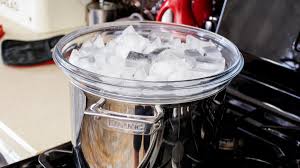
Now, let’s talk about the manual method. This requires more attention but is incredibly satisfying once you get the hang of it. Fill your large pot about one-third full with tap water. Place your heat-safe glass bowl or collection vessel in the center of the pot so it sits above the water level. The collected distilled water will drip into this bowl.
Cover the pot with its lid, but place it upside down so the dome faces the water. You want the lid inverted because this helps the condensation run down into your collection vessel. Now, turn your heat to medium-high and bring the water to a gentle boil. Once it’s boiling, you can reduce the heat slightly so you maintain a steady, gentle boil rather than a rolling boil.
As the water boils, steam rises, hits the cool lid, condenses, and drips back down into your collection bowl. You might also place ice on top of the lid to help cool it faster and increase condensation. Continue this process for 30 minutes to an hour, depending on how much water you want to collect. The longer you run it, the more water you’ll accumulate.
Collecting and Storing Your Distilled Water
Once you’ve completed your distillation cycle, you’ll have clean, pure water ready to use. For storage, glass containers are ideal because glass doesn’t leach chemicals into water the way some plastics can. If you must use plastic, choose food-grade containers specifically labeled as safe for water storage. Store your distilled water in a cool, dark location away from direct sunlight. Properly stored distilled water remains pure and usable for months.
Different Distillation Methods Explained
Traditional Batch Distillation
This is what I’ve been describing—the stop-and-start method. You fill a pot or distiller, run it until it’s done, collect the water, and repeat. It’s simple and effective, though it requires patience since you’re producing water in batches rather than continuously.
Continuous Distillation Systems
Some larger home distillation systems can operate continuously, with fresh tap water entering as distilled water exits. These are more sophisticated and maintain a steady supply without needing to constantly restart the process. They’re great if you need larger quantities regularly, though they cost significantly more than basic models.
Multi-Stage Distillation
Advanced systems combine distillation with other filtration methods like activated carbon filters. The water first gets distilled, then passes through carbon to remove any remaining volatile organic compounds. This creates exceptionally pure water and is the method used by many commercial water purification companies.
Safety Considerations and Best Practices
Handling Heat Safely
If you’re using stovetop distillation, remember you’re working with boiling water and hot surfaces. Always use oven mitts when handling the pot or collection vessel. Never lean directly over the pot while it’s boiling—steam can cause serious burns. Keep children and pets away from your distillation setup during operation. With electric distillers, the risk is lower since the boiling happens inside an enclosed unit, but you should still be careful when handling hot water containers.
Electrical Safety
When using an electric distiller, always place it on a stable, level surface away from water sources other than the input reservoir. Don’t touch the unit with wet hands, and ensure it’s properly grounded. Check the cord regularly for damage and never operate a distiller with a frayed or damaged electrical cord.
Cleanliness and Sanitation
Before your first distillation, thoroughly clean all equipment with hot soapy water. Any residue from manufacturing or storage can affect your water quality. After each use with an electric distiller, clean the collection cup and make sure the unit is empty. Many distillers have a mineral chamber that collects the impurities left behind—you’ll need to empty and rinse this regularly.
Storage Precautions
Store your distilled water in containers that won’t introduce new contaminants. Food-grade plastic and glass are your best options. Avoid using distilled water in vintage glass bottles with lead-based glazing or unknown containers. Keep your water storage area clean and free from potential contamination sources.
Troubleshooting Common Problems
Water Tastes Slightly Off
Pure distilled water sometimes tastes flat or strange to people used to mineral-containing water. This is completely normal. If you want to improve the taste, you can add a pinch of mineral drops back in, or simply let the water sit open to the air for an hour so it can absorb some atmospheric minerals. Many people adjust to the taste within a week or two.
Slow Production Rate
If your distiller seems to be working but producing water very slowly, check if mineral buildup is occurring in the heating chamber. Mineral deposits can insulate the heating element and reduce efficiency. Run a cleaning cycle using the distiller’s descaling solution if it has one, or use a white vinegar solution to break down mineral deposits.
Strange Odors or Discoloration
This usually indicates either your equipment needs cleaning or your source water has unusual contaminants. Clean your distiller thoroughly and try again with fresh tap water. If the problem persists, you might have a contamination issue with your source water, in which case you should have it tested by a water quality professional.
Collection Container Overflowing
This happens with stovetop methods when you don’t monitor the collection properly. Solution? Set a timer and check on your setup regularly. You can also use a larger collection vessel or simply accept that you’ll need to stop the process more frequently to empty the container.
Maintenance and Care for Your Distiller
Regular Cleaning Routines
To keep your electric distiller functioning optimally, empty and clean the mineral chamber after every three to five uses. This prevents mineral accumulation that reduces efficiency. Every month, run a complete cleaning cycle using white vinegar or your distiller’s recommended cleaning solution. This removes deposits from the heating chamber and collection paths.
Descaling Your Equipment
Depending on your water hardness, you might need to descale your distiller every one to three months. Fill the reservoir with a one-to-one mixture of white vinegar and water, then run a complete cycle. This acidic solution dissolves mineral deposits that have accumulated inside. After descaling, run two cycles with plain water to rinse out all the vinegar.
Replacing Filter Elements
If your distiller has a carbon filter stage, you’ll need to replace it according to manufacturer guidelines—typically every six months to a year depending on usage. A clogged filter reduces output and compromises water purity. Keep replacement filters on hand so you don’t run out when you need them.
Inspecting Seals and Gaskets
Over time, rubber seals and gaskets can wear out or degrade. Periodically inspect them for cracks, hardening, or visible damage. If you notice issues, contact the manufacturer for replacement parts. Worn seals can lead to leaking or reduced efficiency.
Cost Analysis: Is It Worth It?
Initial Investment
A quality electric water distiller runs between $100 and $300, with premium models costing up to $500. A DIY stovetop setup requires minimal investment—maybe $20 to $50 if you need to purchase a collection vessel and thermometer. The initial cost is one-time, so you’ll recoup it relatively quickly.
Operating Costs
The main ongoing cost is electricity. Running an electric distiller costs roughly $0.50 to $1.50 per gallon in electricity, depending on your local rates and the distiller’s efficiency. Stovetop distillation costs even less—maybe $0.25 per gallon if you’re careful with your heat source. Compare this to bottled water at $1 to $3 per gallon, and the savings become obvious.
Long-Term Value Calculation
If a family uses five gallons of distilled water weekly (roughly 260 gallons yearly), bottled water would cost $260 to $780 annually. Using a home distiller, that same amount costs perhaps $65 to $130 in electricity. Your $200 distiller pays for itself in the first year alone. Over five years, you’d save $1,300 to $3,500. Those are real numbers that add up.
Beyond Just Cost Savings
The financial argument is compelling, but there’s more to consider. You’re reducing plastic waste from bottled water, eliminating the effort of shopping for and