How to Do a Tap Water Enema: A Complete Guide to Safe and Effective Administration
Understanding What a Tap Water Enema Is
An enema is essentially a procedure where liquid is introduced into the colon through the rectum to cleanse the bowel or relieve constipation. When we talk about a tap water enema, we’re referring to the simplest and most accessible form—one that uses plain, filtered tap water as the medium. Think of it like giving your digestive system a gentle internal rinse, similar to how you’d clean out a clogged pipe.
The concept isn’t new. People have been using enemas for centuries, dating back to ancient Egyptian and Chinese medicine. What makes tap water enemas popular today is their affordability, accessibility, and lack of additives or medications that might irritate sensitive systems.
The Basic Principle Behind Enemas
The mechanics are straightforward: water enters the colon, stimulating the muscles lining your intestinal walls. This stimulation triggers what we call peristalsis—those natural muscular contractions that move waste through your digestive tract. It’s like nudging your body to do what it naturally does, just with a little extra encouragement.
Why People Choose Tap Water Enemas
You might be wondering why someone would choose this method over, say, over-the-counter laxatives or other digestive aids. The reasons vary from person to person, and understanding them helps explain the popularity of this practice.
Natural Constipation Relief
Unlike medications that work through chemical reactions, a tap water enema provides physical relief. People dealing with occasional constipation often find that enemas work quickly—sometimes within minutes—without the side effects that come with certain medications.
Cost-Effectiveness
Let’s be honest: healthcare costs add up. An enema kit costs just a few dollars, and tap water is essentially free. This makes it an economical choice for those managing regular digestive issues.
Gentle on Sensitive Systems
For individuals with sensitivities to medications or chemical additives, plain tap water offers a gentler alternative. There’s nothing fancy here—just water doing its job.
Essential Supplies You’ll Need
Before you get started, gather your materials. Having everything ready beforehand eliminates the awkward scrambling around once you’ve begun the process.
- An enema kit or bag (usually comes with tubing and a nozzle)
- Filtered tap water at the right temperature
- Lubricant (water-based is best—coconut oil or commercial lubricants work well)
- Towels for cleanup
- A bathroom with privacy and a toilet nearby
- Optional: a timer to track retention time
- Optional: gloves for easier cleanup
Choosing the Right Enema Equipment
You’ll find various enema kits available online or at pharmacies. Some come with disposable bags, while others feature reusable equipment. Reusable kits are more environmentally friendly and economical long-term. Look for options with adjustable flow controls—this gives you better command over the water pressure and pace.
Safety Considerations Before You Start
I can’t stress this enough: safety comes first. Taking precautions prevents complications and ensures a comfortable experience.
Health Conditions That Require Caution
If you’re pregnant, have inflammatory bowel disease, hemorrhoids, or have recently undergone abdominal surgery, consult your doctor before attempting an enema. These conditions might make enemas unsafe or uncomfortable.
Hydration and Electrolyte Balance
Using enemas frequently can affect your body’s electrolyte balance. Your body absorbs some water during an enema, which is generally fine occasionally. However, repeated use without adequate hydration can be problematic. Drink plenty of water throughout the day when using enemas regularly.
Allergy and Sensitivity Checks
If you’re using any lubricants or additives, ensure you’re not allergic to them. Some people react to certain oils or commercial products. When in doubt, stick with simple water-based lubricants or coconut oil.
Preparing Your Space and Environment
Your environment plays a bigger role than you’d think. A comfortable, private space makes the entire experience less stressful.
Privacy and Comfort
Make sure you’re in a location where you won’t be interrupted. This isn’t about embarrassment—it’s about being able to focus on the process without distractions. Lock the door, inform household members you need privacy, and ensure you’re physically comfortable.
Temperature Control
A bathroom that’s neither too cold nor too hot is ideal. You’ll be partially undressed, so ambient temperature matters. If your bathroom tends to be chilly, you might want to warm it up beforehand.
Gathering Your Supplies in One Place
Arrange all your materials within arm’s reach. Once you’re in position, you don’t want to be scrambling for the lubricant or searching for towels. Organization matters here.
Step-by-Step Instructions for Administration
Now for the actual process. I’ll walk you through each phase carefully.
Step One: Prepare Your Enema Solution
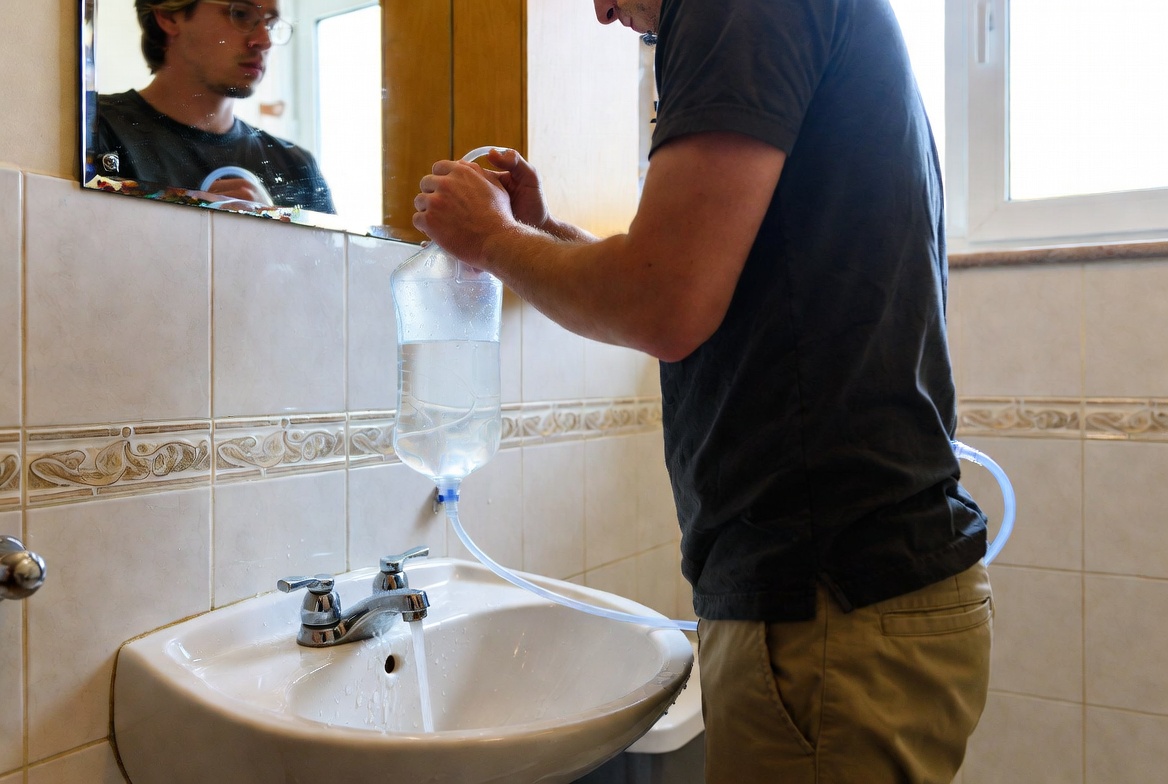
Fill your enema bag with approximately one to two quarts of filtered tap water. More water doesn’t necessarily mean better results—in fact, too much can be uncomfortable. Start with smaller amounts if you’re new to this, then adjust based on what feels manageable.
Step Two: Check the Water Temperature
This is crucial. Water should be lukewarm—approximately body temperature, around 98 to 103 degrees Fahrenheit. Too hot and you risk burns; too cold and it’s uncomfortable and less effective. Use a thermometer if you have one, or test it on your inner wrist like you would bathwater for a baby.
Step Three: Apply Lubricant
Generously apply water-based lubricant to the nozzle and around your rectal opening. This reduces friction and makes insertion more comfortable. Don’t skip this step—it makes a significant difference.
Step Four: Find Your Position
Most people find the left lateral position most comfortable—lie on your left side with your right knee bent. This position aligns naturally with your colon’s curves. Alternatively, some prefer kneeling on all fours, or even sitting on the toilet. Experiment to find what works for you.
Step Five: Hang the Enema Bag at the Proper Height
Typically, the bag should hang about 18 inches above your body. If it’s too high, water pressure increases and might cause cramping. Too low and water flows too slowly. If you don’t have a dedicated hook, a shower curtain rod or bathroom door works fine.
Step Six: Insert the Nozzle Gently
Take a deep breath and slowly insert the nozzle. Move gradually and mindfully—there’s no rush. Go in about two inches, then pause. If you feel resistance, don’t force it. Relax your muscles and try at a slightly different angle.
Step Seven: Open the Flow
Start with the smallest flow rate if your equipment allows it. Let water enter slowly. You should feel a gentle filling sensation, not pressure or pain. If you experience cramping, pause and let your body adjust before continuing.
Step Eight: Monitor Your Comfort Level
As water enters, you’ll feel progressively fuller. This is normal. If discomfort becomes too intense, close the valve and wait for it to subside before continuing. The goal is manageable fullness, not severe bloating.
Temperature and Water Quality Matters
I mentioned temperature briefly, but let’s dive deeper because it’s genuinely important.
Why Temperature Affects Your Experience
Your colon is sensitive to temperature changes. Water that’s too cold causes involuntary muscle contractions—basically, your body’s alarm response. It’s uncomfortable and ineffective. Warm water, by contrast, relaxes intestinal muscles and makes the process more pleasant and productive.
Water Quality Considerations
Use filtered or distilled water if possible. Tap water in some areas contains chlorine or minerals that might irritate sensitive intestines. If you have concerns about your local water quality, investing in a simple filter pitcher costs just a few dollars and provides peace of mind.
How Long Should You Retain the Enema
Once you’ve introduced the water, the question becomes: how long do you hold it?
The Ideal Retention Window
Most people comfortably retain enema water for 5 to 15 minutes. This timeframe allows water to soften stool and stimulate intestinal muscles without becoming unbearably uncomfortable. Beginners often do better at the shorter end of this range.
Recognizing Your Body’s Signals
Your body will let you know when it’s time. You’ll feel an increasingly strong urge to evacuate. Don’t ignore this signal—trying to hold longer can lead to cramping and isn’t necessarily more effective. Trust your instincts.
What to Expect During the Process
Knowing what’s normal helps you stay calm and collected.
Sensations and Physical Responses
You’ll feel fullness and pressure in your lower abdomen. Some people experience gentle cramping, which is actually a good sign—it means your intestinal muscles are engaging. You might also feel cooler as the water enters, and warmer as your body adjusts.
Mental Aspects of the Experience
It’s perfectly normal to feel a bit self-conscious or anxious during your first enema. This is a vulnerable activity, and psychological comfort matters as much as physical comfort. Remind yourself that this is a normal bodily function and millions of people do this regularly.
After the Enema: Recovery and Hygiene
What happens after you’ve expelled the water is just as important as the procedure itself.
Immediate Post-Enema Steps
After you’ve completely expelled the enema, take your time getting up. Some people feel slightly lightheaded afterward, so move slowly. Have water ready to drink—your body has released fluids and needs rehydration. Sip water gradually rather than chugging it.
Cleaning and Sanitation
If you’re using reusable equipment, wash everything thoroughly with warm soapy water immediately after use. This prevents bacterial growth and keeps your kit hygienic. Let it air dry completely before storing.
Dietary Considerations Following an Enema
Give your digestive system time to recover. Eat light foods in the hours following an enema—think broths, fruits, vegetables, and whole grains rather than heavy, greasy foods. Your system will appreciate the gentleness.
Common Mistakes People Make
Learning from others’ errors helps you avoid them.
Using Water That’s Too Hot or Too Cold
This is mistake number one. People either forget to check temperature or assume hotter is better. It’s not. Stick to lukewarm.
Inserting Too Much Water Too Quickly
Eagerness can lead to overfilling. Start slow and modest. You can always take more if needed; you can’t take less once it’s in.
Forcing Retention Beyond Comfort
Some people think toughing it out produces better results. It doesn’t—it just creates unnecessary discomfort and potential cramping.
Neglecting Proper Lubrication
Skipping lubricant is false economy. Discomfort from inadequate lubrication ruins the entire experience. Use it generously.
Ignoring Hygiene Protocols
If using reusable equipment, failing to clean properly can introduce bacteria. This is a health risk worth taking seriously.
When to Seek Medical Attention
Certain situations warrant professional medical guidance.
Warning Signs During Administration
If you experience severe pain, bleeding, or difficulty breathing, stop immediately and seek medical help. These aren’t normal and require professional evaluation.
Post-Enema Complications
Persistent cramping, continued constipation despite repeated enemas, or any signs of infection (fever, unusual discharge) warrant a doctor’s visit. Don’t self-diagnose or assume these will resolve independently.
Frequency and Safety Guidelines
How often is safe to use enemas?
Recommended Usage Frequency
Occasional use—perhaps once a month or when constipation strikes—is generally safe for most healthy individuals. Regular, frequent use can disrupt your colon’s natural functioning and create dependency where your bowels expect external stimulation rather than working independently.
Long-Term Health Considerations
Think of enemas as tools for occasional problems, not permanent solutions. If you’re finding yourself needing enemas regularly, investigate the underlying cause with a healthcare provider. Frequent constipation might indicate dietary issues, dehydration, or a medical condition that deserves attention.
Alternative Methods Worth Considering
Enemas aren’t your only option for digestive wellness.
Natural Dietary Adjustments
Increasing fiber intake through whole grains, fruits, vegetables, and legumes often prevents constipation naturally. Combined with adequate water consumption, dietary changes work for many people without needing enemas.
Gentle Physical Activity
Movement stimulates digestion. Even a 20-minute walk can encourage bowel movement. Regular exercise is preventative and doesn’t require any equipment.
Over-the-Counter Alternatives
Stool softeners, fiber supplements, and osmotic laxatives