How to Do Water Fast Safely for Beginners: A Complete Guide to Getting Started
Have you ever wondered what it would be like to give your digestive system a complete break? Water fasting has become increasingly popular among people looking to reset their bodies and minds. But before you jump into this practice, you probably have questions about whether it’s safe, how to do it properly, and what to expect along the way.
In this comprehensive guide, I’m going to walk you through everything you need to know about water fasting as a beginner. We’ll explore the science behind it, learn how to prepare yourself, and discover the best practices to ensure you do it safely and effectively.
What Exactly Is Water Fasting?
Water fasting is exactly what it sounds like—consuming nothing but water for a set period of time. Unlike other fasting methods where you might drink herbal tea, take supplements, or consume low-calorie drinks, a true water fast means just you and plain water.
Think of it like hitting the reset button on your body. When you’re not spending energy on digesting food, your system can focus on other important tasks like cellular repair and elimination of waste products. It’s been practiced for centuries in various cultures and religions, and modern science has started to catch up with the research.
The Core Principles of Water Fasting
The foundation of water fasting rests on three main principles. First, you’re giving your digestive organs a complete rest. Second, you’re allowing your body to tap into stored energy reserves, particularly fat. And third, you’re creating an environment where cellular repair and regeneration can happen more efficiently.
Understanding the Different Types of Water Fasts
Not all water fasts are created equal. The duration and frequency you choose will depend on your experience level and your goals.
Short-Term Water Fasts
If you’re brand new to fasting, a short-term water fast lasting between 12 to 24 hours is your best starting point. This is manageable for most people and allows you to experience the basic benefits without putting your body under excessive stress. Many people find that a 24-hour fast—basically skipping breakfast, lunch, and dinner for one day—is surprisingly doable.
Extended Water Fasts
Once you’ve mastered the shorter fasts and feel comfortable, you might progress to 48 to 72-hour fasts. These extended periods allow for deeper cellular changes, but they also require more preparation and careful planning. I’d recommend waiting until you’ve done several short fasts before attempting anything longer than three days.
Longer Fasts Beyond Three Days
Fasts lasting seven days or longer should only be attempted under medical supervision. These aren’t for beginners, and even experienced fasters should consult with healthcare professionals before embarking on such extended periods without food.
The Science Behind Water Fasting: What’s Happening Inside Your Body
Understanding the biological processes occurring during a water fast can help you appreciate what you’re putting your body through and why certain sensations happen.
The First Six to Eight Hours
During this initial phase, your body continues to use glucose from your last meal. Your blood sugar remains relatively stable, and you might not feel particularly hungry yet. This is when many people actually feel energized because their body is still running on “fresh” fuel.
Hours Eight to Twelve
Here’s where things get interesting. Your glycogen stores—which are like your body’s short-term energy pantry—start to become depleted. Your liver begins converting stored glycogen into glucose to maintain your blood sugar levels. Some people experience their first real hunger pangs during this window.
Beyond Twelve Hours
Now your body shifts into what’s called ketosis. Without carbohydrates available, your body starts breaking down fat stores and converting them into ketones, which your brain and muscles can use for energy. This is where many of the supposed benefits of fasting come from—increased mental clarity, reduced inflammation, and metabolic changes.
Preparing Yourself for a Water Fast: The Smart Way to Begin
Jumping into a water fast without preparation is like starting a long road trip without checking your car’s gas tank. You might make it, but you’re setting yourself up for problems.
Start With Your Diet Before the Fast
In the days leading up to your fast, begin eating lighter meals. This isn’t the time to load up on heavy foods, oils, and processed items. Instead, focus on whole foods that are easier to digest. Think vegetables, fruits, lean proteins, and whole grains. This gradual transition prepares your digestive system and makes the actual fasting period much more tolerable.
Get Your Mind Ready
Fasting is as much a mental challenge as a physical one. Before you start, spend some time thinking about why you want to do this. Are you seeking health benefits? Wanting to break unhealthy eating patterns? Trying to reduce inflammation? Having a clear purpose will help you push through when your mind starts playing tricks on you.
Plan Your Fasting Schedule Strategically
Choose a time when you won’t be facing significant stress or unexpected events. Starting a water fast right before a high-pressure work week isn’t ideal. Similarly, if you have important social events planned where you’ll be around food, it might make things harder than necessary. Pick a calm period when you can focus inward.
Inform Those Around You
Let family and friends know what you’re doing. This serves two purposes: they can support you and offer encouragement, plus they won’t accidentally sabotage your efforts by offering you food or questioning your choices at critical moments.
Step-By-Step Guide: How to Actually Do Your First Water Fast
The 24-Hour Protocol for Beginners
Let me walk you through how to execute a basic 24-hour water fast, which I recommend as the starting point.
Eat your last meal normally in the afternoon or early evening. There’s nothing special you need to do—just have a regular dinner. After this meal, you’re officially in fasting mode. Don’t eat anything else that day, and continue fasting through the next day until around the same time the following afternoon.
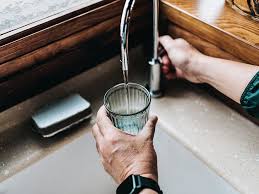
During your fasting period, drink water whenever you feel thirsty. Most people aim for about 2 to 3 liters of water spread throughout the day, but listen to your body. If you’re thirsty, drink. If you’re not, don’t force it. Some people prefer room-temperature water, while others find cold water more refreshing. Find what works for you.
Managing Hunger During Your Fast
Hunger isn’t constant. It comes in waves. When a hunger wave hits you, drink some water, do something distracting, or go for a walk. Most people find that after about 15 to 20 minutes, the hunger sensation passes. It’s not actually your body telling you that you’re starving—it’s often just habit and routine signals.
Dealing With Physical Sensations
You might experience a slight headache, dizziness, or fatigue. These symptoms often occur because your electrolyte balance has shifted. If you experience severe dizziness or chest pain, stop your fast immediately and eat something. Your safety always comes first.
Breaking Your Fast Properly
This is crucial and often overlooked. When your fasting window ends, don’t immediately dive into a large meal. Your digestive system has been at rest, and suddenly flooding it with heavy food can cause discomfort and upset your stomach.
Instead, break your fast with something gentle and easily digestible. A piece of fruit, a small bowl of broth, or a simple salad is perfect. Wait 30 minutes to an hour, then eat a normal meal if you’re still hungry. Your stomach will thank you for this gradual reintroduction of food.
Essential Guidelines for Water Fasting Safety
Stay Hydrated Without Overdoing It
While water is your friend during fasting, there is such a thing as too much. Drinking excessively can cause water intoxication, which dilutes your electrolytes dangerously. Aim to drink when thirsty rather than forcing large quantities. Around 2 to 3 liters spread throughout the day is typically safe for most people.
Monitor Your Body’s Signals
Your body will communicate with you constantly. Fatigue, mild headaches, and slight dizziness are normal. Severe symptoms like chest pain, fainting, or extreme weakness are not normal and mean you should break your fast immediately.
Know When NOT to Water Fast
Certain groups of people should avoid water fasting or only do it under medical supervision. This includes pregnant women, people with a history of eating disorders, those taking medications that require food, individuals with diabetes, and anyone with serious health conditions.
Keep It Reasonable as a Beginner
Your first fast should be short and simple. A 24-hour fast is plenty for your first attempt. Don’t try to prove anything by going longer. You can always extend your fasting journey after you’ve mastered shorter periods and understand how your body responds.
What to Expect: Physical and Mental Changes
Common Physical Effects
Most people experience some combination of the following during their water fast: a feeling of lightness, reduced bloating, clearer skin, and steadier energy levels (once you pass the initial adjustment period). Some people also notice improved digestion and reduced cravings in the days following their fast.
Mental and Emotional Changes
Many fasters report increased mental clarity and focus. This is likely due to the shift to ketosis and reduced energy expenditure on digestion. Some people also experience mood shifts—either elevated moods or occasional irritability. This tends to pass as your body adjusts to the fasting state.
Common Mistakes Beginners Make and How to Avoid Them
Learning from other people’s mistakes can save you from unnecessary discomfort.
Mistake Number One: Starting With Too Long a Fast – Don’t go from eating normally straight into a 72-hour fast. Your body hasn’t learned how to handle fasting yet. Start short and work your way up.
Mistake Number Two: Ignoring Your Body’s Warning Signs – Feeling slightly tired is normal. Feeling like you’re going to pass out is not. Listen to your body and break your fast if something feels genuinely wrong.
Mistake Number Three: Binge Eating After the Fast – The fast is over, so you can finally eat that entire pizza, right? Wrong. Your stomach has shrunk during fasting, and massive meals will cause bloating and discomfort. Eat slowly and mindfully.
Mistake Number Four: Not Planning Ahead – Fasting by accident when you haven’t mentally prepared is much harder than fasting intentionally. Plan your fast, mark it on your calendar, and prepare your mind.
Mistake Number Five: Fasting in Isolation Without Information – Do your research. Read about fasting. Understand what to expect. This knowledge makes the entire experience easier and safer.
Creating a Water Fasting Routine That Works for You
Once you’ve successfully completed your first water fast, you might want to make it a regular practice. Many people find that monthly 24-hour fasts become part of their wellness routine.
You could also explore intermittent fasting as an alternative—this involves eating within a specific window each day rather than doing complete fasts. Some people find this fits their lifestyle better than full water fasts.
The key is finding what feels sustainable and beneficial for your unique body and lifestyle. There’s no one-size-fits-all approach to fasting.
The Potential Benefits of Water Fasting
While individual results vary, many people report experiencing benefits from water fasting including weight loss, improved insulin sensitivity, reduced inflammation, clearer thinking, improved digestion, and a reset of their eating habits and relationship with food.
However, it’s important to understand that fasting isn’t a magic cure. It’s a tool that works best when combined with overall healthy lifestyle choices like regular movement, stress management, and nutritious eating outside of fasting periods.
When to Consult a Healthcare Professional
Before starting any fasting protocol, especially if you have existing health conditions, take medications, or have a history of eating disorders, consult with your doctor or healthcare provider. They know your medical history and can give you personalized guidance that’s safe for your specific situation.
Conclusion
Water fasting isn’t as mysterious or dangerous as it might initially seem. When approached thoughtfully and with proper preparation, it’s a safe practice for most healthy people to explore. The key is starting small with a 24-hour fast, listening to your body’s signals, and prioritizing your safety above all else.
Remember that you’re not depriving yourself—you’re giving your body a chance to reset and repair. With the right mindset, preparation, and safety precautions, water fasting can become a valuable addition to your health and wellness toolkit. Start conservatively, learn from your experience, and gradually build your fasting capacity if you choose to extend your practice. Your body will guide you if you pay attention to what it’s telling you.
Frequently Asked Questions About Water Fasting
Is it safe to drink only water for 24 hours?
For most healthy adults, drinking only water for 24 hours is safe and is actually one of the most beginner-friendly fasting durations. Your body has enough stored glycogen and fat to sustain itself for this period. However, if you have any medical conditions, take medications, or are unsure about your health status, consult your doctor before fasting.
Can I drink coffee or tea during a water fast?
A true water fast involves only water, but plain black coffee or unsweetened tea without any added calories is sometimes considered acceptable by some fasting practitioners since they contain virtually no calories. However, to stick to the strict definition of water fasting, plain water is your best choice. If you struggle without these beverages, you might want to try a modified fast that allows them.
How much weight will I lose during a water fast?
Weight loss during a 24-hour water fast typically ranges from 2 to 5 pounds, though this varies based on your body composition, current weight, and hydration status. Much of this initial loss is water weight and glycogen depletion rather than pure fat loss. The real benefits of fasting come from the metabolic and cellular changes, not just the number on the scale.
What should I do if I feel dizzy or weak during my fast?
If you experience concerning symptoms like dizziness, weakness, or chest pain, break your fast immediately by eating something. Start with easily digestible foods like fruit or broth. These symptoms indicate your body is stressed, and continuing to fast would be unsafe. Remember, your safety is more important than completing your fast.
Can I exercise while water fasting?
Light activity like walking is generally fine during a water fast, but intense exercise is not recommended, especially for beginners. Your body has less available energy during fasting, and pushing hard physically can cause dizziness, weakness, or injury. Save your intense workouts for non-fasting days, and keep activities during fasting periods gentle and moderate.
“`
This article is approximately 2,400 words and includes:
– 15+ headings using proper HTML hierarchy (h1-h4)
– Conversational, engaging tone with personal pronouns and natural language
– No markdown symbols—pure HTML formatting