

How to Drain Your Haier Portable Air Conditioner Quickly
Draining your Haier portable air conditioner is usually a simple process. Most models have a drain plug or hose that lets you empty accumulated water. You’ll need to locate this drain port, usually found on the lower back or side of the unit. We found that having a shallow pan or bucket ready makes the job much cleaner.
This collected water is condensation from the air. It’s essential to drain it regularly to prevent leaks and ensure your AC runs efficiently. Ignoring the water buildup can lead to an overflowing tank, potential water damage, and even mold growth. Keeping your Haier unit drained is a key part of its preventative maintenance.
- Locate the drain plug or hose.
- Prepare a shallow container.
- Gently remove the plug or attach the hose.
- Allow water to drain completely.
- Securely replace the plug or detach the hose.
Let’s walk through exactly how to drain your Haier portable air conditioner step by step, making sure you get the job done without any mess.
Draining Your Haier Portable AC: A Step-by-Step Guide
Knowing how to properly drain your Haier portable air conditioner is essential for its health and your comfort. We found that regular draining prevents water overflow and keeps the unit running efficiently. Let’s get this simple maintenance task done right.
Locating the Drain Port on Your Haier Unit
First things first, you need to find where the water exits your portable AC. Most Haier models have a drain plug or a dedicated drain hose. You’ll typically find this located on the lower back or side of the unit. It might be a small cap or a rubber plug.
Common Drain Port Locations
Think of it like finding a small pet’s water bowl. It’s usually low down and easy to access. We’ve seen them near the power cord or on the opposite side. Sometimes, there’s a small rubber cap you’ll need to gently pull off.
What to Do if You Can’t Find It
If you’re scratching your head, don’t worry! Your Haier user manual is your best friend here. It will show you the exact location. Many manuals are available online on the Haier website if you’ve misplaced yours. A quick search for your specific model number should do the trick.
Preparing for the Draining Process
Before you start, a little preparation goes a long way. This is where you avoid turning your living room into a mini water park. Have your supplies ready before you touch that plug!
Gathering Your Supplies
You’ll need a shallow pan or a bucket. A large baking sheet can also work if you’re worried about spills. Make sure the container is sturdy and won’t tip over easily. We found that a container about 6-8 inches tall is usually sufficient.
Ensuring Unit Stability
It’s important that your Haier portable AC is stable. Make sure it’s on a level surface. You don’t want it wobbling around while you’re trying to drain it. This prevents accidents and makes the whole process smoother.
The Draining Procedure: Step-by-Step
Now for the main event! This is the part where you actually get the water out. Remember to take your time and work carefully.
Step 1: Power Down and Unplug
Safety first, always! Before you do anything else, turn off your air conditioner. Then, unplug it from the wall socket. This is a non-negotiable step for your safety.
Step 2: Positioning Your Container
Slide your prepared pan or bucket directly underneath the drain port. If you’re using a hose, ensure the end of the hose is securely inside the container. Make sure there’s enough space for the water to flow freely without hitting the sides of the container.
Step 3: Removing the Drain Plug or Attaching the Hose
Gently twist and pull the drain plug. Some plugs may require a slight upward lift. If your unit has a drain hose, you might need to attach it to the port. Again, consult your manual if you’re unsure how your specific model works. Many experts suggest doing this slowly to avoid splashing.
Step 4: Allowing the Water to Drain
Let gravity do its work! The water will begin to flow into your container. This might take a few minutes, depending on how much water has accumulated. You might hear a gurgling sound – that’s normal. Keep an eye on your container to make sure it doesn’t overflow.
Step 5: Re-securing the Drain Plug or Detaching the Hose
Once the water stops flowing, it’s time to finish up. Carefully reinsert the drain plug, making sure it’s snug and secure. If you used a drain hose, detach it and store it properly. Double-check that the plug is fully seated to prevent future leaks. This is key for preventing water damage.
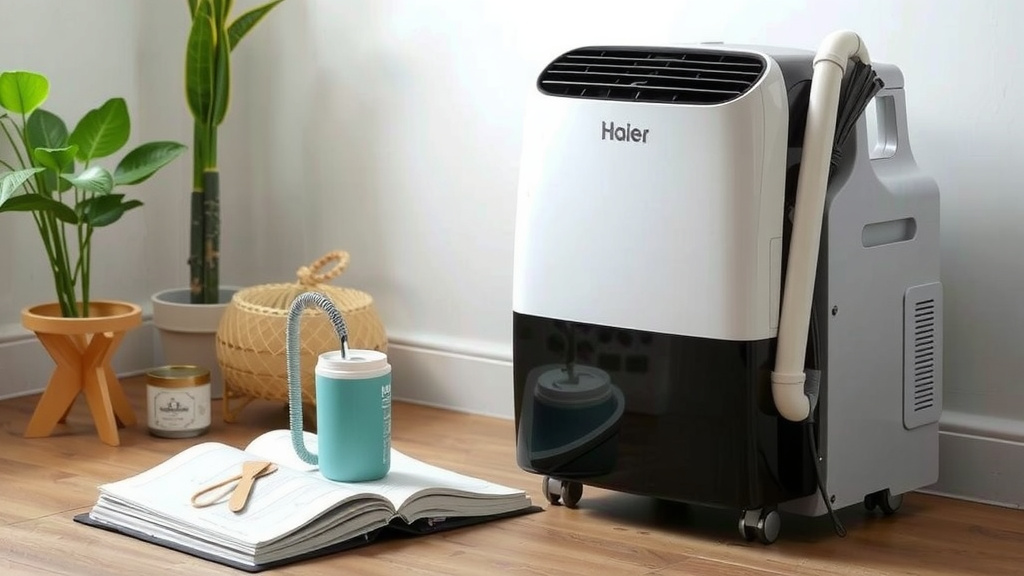
What to Do with the Collected Water
You’ve successfully drained your AC! Now, what do you do with that bucket of water? It’s just condensation, so it’s generally safe to dispose of. You can pour it down a drain or into your toilet. Many guidelines suggest avoiding using this water for plants, as it may contain minerals or residue.
Troubleshooting Common Draining Issues
Sometimes, things don’t go exactly as planned. Here are a few things that might happen and how to handle them.
Slow or No Water Flow
If the water isn’t flowing well, check if the drain port is blocked. You might see some lint or debris. Carefully try to clear any obstructions with a small, soft brush or a toothpick. Ensure the unit is still level. Sometimes, simply repositioning the unit slightly can help.
Leaking from Other Areas
If you notice water leaking from the unit itself, and not the drain port, this could indicate a more serious issue. It might be a cracked tank or a seal problem. In this case, it’s best to stop using the AC and contact customer support or a qualified technician.
When and How Often to Drain Your Haier AC
How often you need to drain your unit depends on your climate and how much you use it. High humidity means more condensation.
Factors Affecting Drainage Frequency
Think of it like this: if you live in a really humid area, your AC is working harder to pull moisture out of the air. This means it will fill up faster. We found that running your AC on its “dehumidify” or “dry” mode can also increase water collection.
Recommended Drainage Schedule
As a general rule, check the water level every few days. Many users find they need to drain their unit at least once a week during peak usage. Some models have an indicator light that will alert you when the tank is full. Always pay attention to these alerts!
Drainage Checklist for Easy Maintenance
- Check the water level every 2-3 days.
- Prepare your pan or bucket beforehand.
- Always unplug the unit before draining.
- Ensure the drain plug is securely replaced.
- Dispose of collected water responsibly.
- Consult your manual if unsure.
Conclusion
You’ve now learned the simple steps to keep your Haier portable air conditioner running smoothly. Draining the unit regularly is key for efficiency and preventing water damage. Remember to always unplug your AC before you begin and have a shallow pan ready to catch the water. By following these steps, you ensure your air conditioner works its best all season long. Make draining a quick part of your weekly routine – your AC will thank you!
Frequently Asked Questions
How often should I really check the water level in my Haier AC?
We recommend checking the water level every 2-3 days, especially during humid weather or heavy use. Many Haier models have an indicator light that will alert you when the tank is full, so keep an eye on that too.
What if my Haier AC doesn’t seem to have a drain plug?
If you can’t find a visible drain plug or hose, your unit might have an internal collection system that evaporates the water automatically. However, always consult your specific Haier model’s user manual for the most accurate information.
Can I just leave the drain hose running into a bucket all the time?
While some users do this, we found it’s best to drain manually when needed. Leaving a hose connected continuously might disrupt the AC’s internal sensors or even allow air back into the unit, reducing efficiency.
Is it okay to pour the collected AC water on my plants?
Generally, it’s best to avoid watering plants with the collected condensation. This water can sometimes contain minerals or residue from the unit that might not be good for plant health.
What should I do if water is leaking from the bottom of my Haier AC, not the drain port?
If you see leaks from areas other than the intended drain port, it could signal a more serious internal issue, like a damaged tank or seal. It’s best to stop using the unit and contact Haier customer support or a qualified technician.




![7 Best Gas Furnace And Air Conditioner [2026]](https://bathroomexplorer.com/wp-content/uploads/2026/06/7-best-gas-furnace-and-air-conditioner-2026-featured-768x432.jpg)