How to Drain the Water From the Dishwasher: A Complete Guide
Have you ever opened your dishwasher after a cycle only to find standing water at the bottom? It’s one of those annoying household problems that catches you off guard. Whether you’re dealing with a clogged drain, a malfunctioning pump, or just need to know the basics, understanding how to drain your dishwasher properly can save you time, money, and frustration. In this comprehensive guide, I’ll walk you through everything you need to know about removing water from your dishwasher—from quick fixes to more involved solutions.
Understanding Why Water Gets Stuck in Your Dishwasher
Before we dive into the draining process, let’s talk about why water accumulates in your dishwasher in the first place. Your dishwasher is basically a closed system that relies on several components working together seamlessly. When something goes wrong, water gets trapped like water in a bathtub with a blocked drain.
The most common culprits include food debris blocking the drain filter, a kinked drain hose that prevents water flow, a faulty drain pump, or buildup in the drainage system. Sometimes it’s something as simple as leftover food particles from last night’s dinner party, and other times it indicates a more serious mechanical issue.
Quick Assessment: Is Your Dishwasher Really Clogged?
Not every bit of standing water means your dishwasher is broken. Here’s the thing—a small amount of water pooling in the bottom is actually normal. Most dishwashers keep about a cup or two of water to keep the seals lubricated and prevent odors. Think of it like the water that stays in your shower drain.
However, if you’re seeing more than an inch or two of water, or if the water smells foul, then you’ve got a genuine problem that needs addressing.
Step-by-Step Guide to Manually Drain Your Dishwasher
Step 1: Safety First—Turn Off the Power
Before you do anything, unplug your dishwasher from the electrical outlet or flip the circuit breaker. This is non-negotiable. You don’t want to be messing around with water and electricity—that’s a dangerous combination that can lead to serious injury.
Give yourself a few seconds to make sure the machine is completely powered down. Some dishwashers have indicator lights that show they’re still running or in standby mode.
Step 2: Remove Any Visible Debris
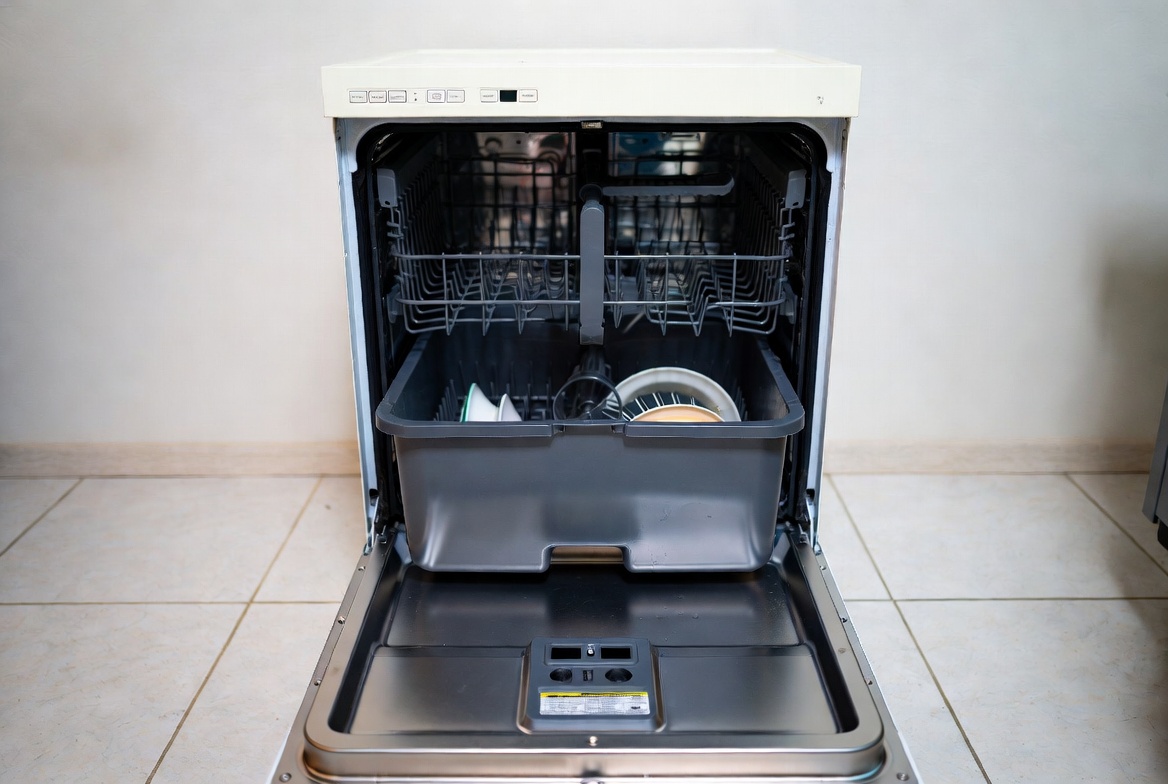
Open the dishwasher door and take a good look at what’s inside. Remove any dishes or utensils that might be blocking the drain area. You’ll want clear access to the bottom of the unit.
If you can see food particles, grease buildup, or other debris, use a paper towel or cloth to wipe them away. Be careful with sharp objects—broken glass or jagged food scraps can cut your hands.
Step 3: Access the Filter and Drain Area
Most dishwashers have a filter assembly at the bottom, usually located near the back. This filter is your first line of defense against food particles entering the drain system. Look for a cylindrical or basket-like component—this is typically your drain filter.
To access it, you may need to remove the lower rack or twist the filter counterclockwise, depending on your model. Check your dishwasher’s manual if you’re unsure, but most filters come out pretty easily once you know where they are.
Step 4: Clean Out the Filter Thoroughly
Once you’ve removed the filter, rinse it under running water. Use your fingers or a soft brush to remove accumulated food debris. Sometimes there’s a surprising amount of gunk that builds up over time—old bits of food, grease, and minerals from hard water.
If the filter is particularly dirty, soak it in hot water for a few minutes before scrubbing. This helps loosen stubborn debris that’s stuck on.
Step 5: Check the Drain Basket
Below the filter, you’ll usually find a drain basket or cavity. Take a flashlight and peer down there to see if anything is blocking the drain opening. Sometimes small objects like toothpicks, seeds, or broken pieces of dishware end up lodged in this area.
Remove anything you find and rinse the area with water. A small hand-held strainer or tweezers can be helpful for pulling out stubborn items.
Step 6: Inspect and Clean the Drain Hose
The drain hose is the tube that carries water out of your dishwasher and into your sink or garbage disposal. To access it, you’ll typically need to remove the front panel or kick plate at the bottom of your dishwasher.
Once you locate the hose, check if it’s kinked, twisted, or bent. A kinked hose is like a crushed straw—water can’t flow through properly. If you find a kink, straighten it out gently.
If the hose appears clear and straight, you can disconnect it and flush it with water to remove any clogs. Make sure to place a bucket underneath first—there will be water in that hose.
Using Manual Draining Methods
The Wet Cloth Technique
For minor water accumulation, sometimes a simple wet cloth can be your best friend. Soak up the water with absorbent cloths or towels, wringing them out into a bucket as needed. While this method is labor-intensive, it works and requires no special tools.
The Wet Vacuum Method
If you have a wet vacuum (also called a shop vac), this is actually one of the quickest ways to remove standing water. Set it to wet mode, insert the hose into the dishwasher, and let it do the work. A wet vacuum can remove several gallons of water in minutes.
Make sure you’re using a wet-rated vacuum and that the filter is clean before using it on water, otherwise you might damage the motor.
Dealing With Drain Hose Issues
Straightening a Kinked Hose
If your drain hose is kinked or bent, straightening it is often the solution. These hoses are flexible but can develop permanent kinks over time, especially if something is pressing against them or if they’ve been coiled too tightly.
Gently straighten the hose by hand, being careful not to crack or puncture it. If the hose has been kinked for a long time, it might not straighten out completely, and you may need to replace it.
Clearing a Clogged Hose
Sometimes the drain hose itself becomes clogged with food particles or mineral buildup. To clear it, disconnect the hose from both the dishwasher and the sink drain or garbage disposal.
Hold the hose up to a light source and look through it. If you can see the blockage, try using a plumbing snake or a length of wire to push the clog out. Otherwise, run hot water through the hose into a bucket or sink.
For stubborn blockages, you might need to soak the hose in white vinegar or use a commercial drain cleaner specifically designed for hoses.
Addressing the Drain Pump and Related Components
When the Pump Might Be Failing
If you’ve cleaned the filter, checked for clogs, and straightened the hose but water still won’t drain, your pump might be the problem. The drain pump is responsible for forcing water out of the dishwasher through the hose.
Signs of a failing pump include unusual noises during the drain cycle, water not draining at all despite a clear path, or water draining very slowly. A pump failure usually means you’ll need to call a professional or order a replacement part.
Understanding the Check Valve
Your dishwasher has a component called a check valve that prevents water from flowing backward into the machine. If this valve gets stuck or fails, water can get trapped. This is another situation where professional help might be necessary.
Prevention Tips to Avoid Future Drainage Problems
Scrape Dishes Before Loading
This seems obvious, but I can’t stress it enough. The more food debris you remove before loading the dishwasher, the less work your drainage system has to do. Rinse plates quickly under running water to remove loose food particles.
Use Your Garbage Disposal
Before starting your dishwasher, run your garbage disposal for a few seconds. This clears the drain line that your dishwasher drains into, preventing backups that could cause water to accumulate in your machine.
Regular Filter Cleaning
Clean your dishwasher’s filter monthly, or more often if you use your dishwasher daily. This simple maintenance task prevents most drainage issues before they start.
Monthly Vinegar Flush
Once a month, place a cup of white vinegar in a dishwasher-safe container on the bottom rack and run an empty hot water cycle. The vinegar helps dissolve mineral buildup and keeps the drainage system flowing smoothly.
Avoid Drain Clogs
Be mindful of what goes into your dishwasher. Avoid loading extremely greasy pans without pre-rinsing them. Don’t load small items that could slip into the drain area, and keep the drain basket and filter properly installed.
When to Call a Professional Plumber
There are times when DIY solutions just won’t cut it. If you’ve tried everything above and water still isn’t draining, it’s time to call in the experts.
Professional plumbers have specialized equipment like drain cameras and motorized drain snakes that can identify and clear blockages you can’t reach. They can also replace faulty pumps, valves, and other internal components.
You should also consider professional help if your dishwasher is still under warranty—attempting repairs yourself might void that protection.
Understanding Your Dishwasher’s Drain System
To better understand how to troubleshoot your dishwasher, it helps to know how the system works. Water from your wash and rinse cycles collects in the sump at the bottom of the machine. The drain pump then activates and pushes this water through the drain hose into either your sink’s drain or your garbage disposal.
If any component in this chain fails or becomes blocked, water backs up and accumulates. It’s like a highway traffic jam—if one lane closes, everything backs up.
Troubleshooting Chart for Common Scenarios
Let me break down some common situations and what they might indicate:
- Water drains slowly but eventually drains: You likely have a partial clog in the filter or hose. Clean both thoroughly.
- Water doesn’t drain at all: Check for a kinked hose, clogged pump, or faulty check valve. Professional help might be needed.
- Water drains during the cycle but collects at the end: Your pump might be failing. Consider professional repair.
- Water smells bad and won’t drain: You have both a clog and bacterial growth. Clean the filter and run a vinegar cycle.
- Only a small amount of water remains: This is likely normal. Your dishwasher maintains a small amount of water intentionally.
Tools You Might Need
Before you start working on your dishwasher, gather these tools:
- Flashlight for seeing into dark corners
- Bucket or basin to catch water
- Towels or absorbent cloths
- Plumbing snake or wire for clearing hoses
- Adjustable wrench for hose connections
- Soft brush for cleaning filters
- White vinegar for dissolving buildup
- Wet vacuum (if available)
- Screwdrivers for removing panels
Common Mistakes to Avoid
When draining your dishwasher, avoid these common pitfalls:
- Forgetting to turn off power before starting work
- Using chemical drain cleaners that can damage the machine’s interior
- Forcing components apart that don’t want to come apart
- Ignoring standing water and hoping it resolves itself
- Overloading your dishwasher with dishes, which restricts water flow
- Not checking your sink’s drain before assuming the dishwasher is broken
Conclusion
Draining water from your dishwasher doesn’t have to be a complicated or stressful experience. In most cases, the solution is straightforward—clean the filter, check the hose, and clear any obvious blockages. These simple steps resolve the majority of drainage issues.
Start with the safest and easiest solutions first, working your way toward more complex troubleshooting only if needed. Remember to always prioritize safety by turning off the power before you begin any work. With the knowledge and steps outlined in this guide, you’ll be able to handle most dishwasher drainage problems on your own. And when you do need professional help, you’ll know exactly what you’ve already tried, making the repair person’s job easier and faster.
Frequently Asked Questions
Is it normal for a dishwasher to have water at the bottom?
Yes, it’s completely normal for a small amount of water—typically a cup or two—to remain at the bottom of your dishwasher. This water keeps the seals moist and prevents odors from developing. However, if you notice more than an inch or two of standing water, or if the water has an unpleasant smell, this indicates a drainage problem that needs attention.
How often should I clean my dishwasher’s filter?
Ideally, you should clean your dishwasher’s filter at least once a month, or more frequently if you use your dishwasher daily or have hard water. Regular maintenance prevents most drainage issues from developing in the first place. It takes just five minutes and can save you hundreds of dollars in repair costs.
Can I use drain cleaner in my dishwasher?
It’s generally not recommended to use chemical drain cleaners in your dishwasher. These harsh chemicals can damage the internal components, seals, and spray arms. Instead, use white vinegar or a dishwasher-safe cleaning solution. If you have a stubborn clog, it’s safer to manually clear it or call a professional.
What should I do if my dishwasher won’t drain and I can’t figure out why?
If you’ve cleaned the filter, checked the hose for kinks and clogs, and verified that your garbage disposal is working, and water still won’t drain, the problem might be with internal components like the pump or check valve. At this point, it’s best to call a professional appliance repair technician who has the tools and expertise to diagnose and fix the issue.
How do I prevent my dishwasher from having drainage problems?
Prevention is easier than fixing problems. Always scrape dishes before loading, run your garbage disposal before starting the dishwasher, clean the filter monthly, and avoid loading extremely greasy items without pre-