How to Drain Water Out of Ear: A Complete Guide to Safe Removal Methods
We’ve all been there. You’ve just finished an amazing swim, shower, or water sport session, and suddenly you feel that uncomfortable sensation—water trapped deep inside your ear canal. It’s maddening, isn’t it? That dampness creates a sensation that’s somewhere between ticklish and genuinely annoying, and it can persist for hours if you don’t know what to do about it.
The truth is, water in your ear is incredibly common, and in most cases, it’s nothing to panic about. However, if you don’t handle it correctly, trapped moisture can lead to complications like swimmer’s ear (otitis externa), which is far more uncomfortable than the initial water entrapment. So let’s dive into everything you need to know about safely removing water from your ear.
Understanding Why Water Gets Trapped in Your Ears
Before we talk about solutions, it helps to understand the problem. Your ear canal isn’t a straight tube like you might imagine. It has curves, bends, and narrow sections that create the perfect environment for water to settle and linger. When water enters your ear during swimming or showering, gravity and the shape of your ear canal work against you, trapping moisture in places that are difficult to reach.
Additionally, earwax naturally lines your ear canal as a protective barrier. When water encounters this waxy coating, it can form a seal that traps the moisture even more effectively. This is why some people experience water getting stuck while others seem to shed it automatically—it all depends on the individual structure and composition of your ear.
The Dangers of Leaving Water in Your Ear
Why You Shouldn’t Ignore the Problem
You might think that simply waiting for the water to drain on its own is a valid strategy. After all, won’t it eventually come out? Sometimes yes, but not always. Trapped water creates a warm, moist environment that bacteria absolutely love. This is the breeding ground for swimmer’s ear, a condition that can turn a minor inconvenience into genuine pain and discomfort.
Swimmer’s ear, medically known as otitis externa, occurs when bacteria or fungi colonize the moist environment in your ear canal. The symptoms include itching, ear pain, redness, and in severe cases, temporary hearing loss. Trust me, you don’t want to experience this—prevention is significantly easier than treatment.
Who Is Most at Risk?
Certain groups of people are more susceptible to problems from trapped water. Frequent swimmers and water sports enthusiasts are obvious candidates, but so are people with sensitive skin, those who wear hearing aids or earbuds regularly, and anyone with a history of ear infections. If you fall into one of these categories, you should be especially diligent about removing water from your ears immediately after water exposure.
Safe Methods to Remove Water From Your Ear at Home
The Gravity Method: Simple and Effective
Let’s start with the most straightforward approach. Tilt your head to the side with the affected ear facing downward. The goal here is to let gravity do the heavy lifting—literally. Hold this position for several minutes, and you might feel or hear the water starting to drain. This works best when you’re patient and don’t expect instant results. Sometimes you need to give gravity a few minutes to work its magic.
For added effectiveness, gently pull on your earlobe while tilting your head. This subtle movement can help open the ear canal just enough to allow water to flow freely. It sounds simple because it is, and that’s exactly why it works so well for many people.
The Otovent Method: A Balloon-Based Approach
This method involves using a small balloon specifically designed for ear drainage. You insert a soft catheter into your nostril, attach it to a balloon, and gently inflate the balloon. This increases air pressure in your Eustachian tube, which can help push trapped water out. While this sounds complicated, it’s actually quite safe when done correctly and can be remarkably effective.
The Otovent method is particularly useful if you have chronic water trapping issues. Many people keep an Otovent balloon at home specifically for these situations. It’s non-invasive and doesn’t require any medications or professional equipment beyond the balloon itself.
The Warm Air Technique: Using a Hair Dryer Safely
Here’s where many people get creative, and when done correctly, this method can be quite effective. Set your hair dryer to its lowest heat setting—and I really do mean the lowest. Hold it approximately twelve inches away from your ear canal while tilting your head slightly so the affected ear faces the dryer. The gentle warmth encourages water evaporation while the air movement helps push moisture out.
The key here is restraint. Too much heat or holding the dryer too close can cause burns or damage to your ear canal. This should feel like a gentle breeze of warm air, not intense heat. Many people find this method particularly helpful before bed, as you can let the warmth and airflow do their work while you’re relaxed.
The Alcohol and Vinegar Solution
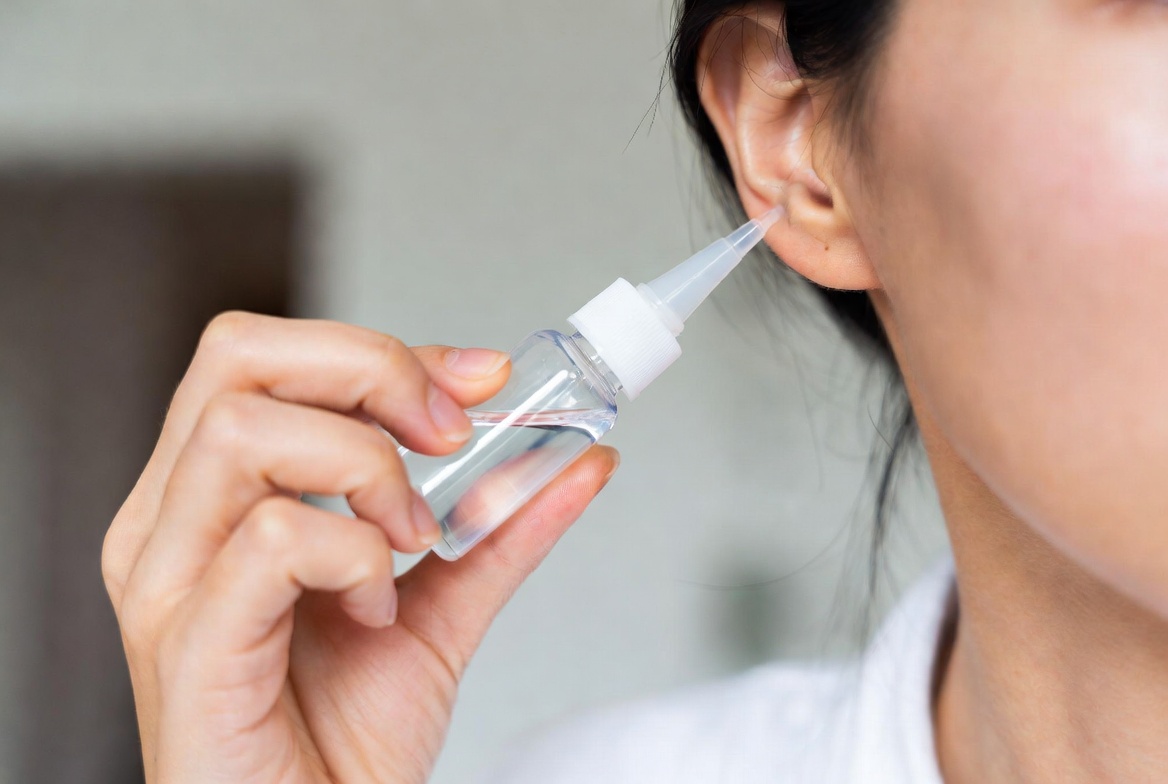
A mixture of equal parts rubbing alcohol and white vinegar creates an excellent ear-drying solution. The alcohol promotes evaporation while the vinegar creates an acidic environment that discourages bacterial growth. You can use a dropper to place a few drops of this solution into your affected ear while tilting your head to the side.
Hold your head in this tilted position for about five minutes, allowing the solution to reach the trapped water. Then slowly tilt your head the opposite direction to let gravity help drain both the solution and the water. This method is particularly popular with swimmers who experience frequent water entrapment.
The Hydrogen Peroxide Approach
Hydrogen peroxide is another safe option that many people keep in their medicine cabinets. Use a 3% solution (the standard drugstore variety) and place a few drops into the affected ear using a dropper. You’ll likely hear some fizzing and bubbling—this is completely normal and actually helpful, as the bubbling action helps dislodge trapped water and break up earwax buildup.
After about five to ten minutes, tilt your head to drain the solution. Some people follow this with the gravity method or the hair dryer technique for maximum effectiveness. This approach is particularly good if your water trapping is complicated by excess earwax.
Prevention Strategies for Water in the Ear
Using Earplugs Properly
Prevention is always better than treatment, and the first line of defense is a good pair of earplugs. However, not all earplugs are created equal. Foam earplugs that expand to fill your ear canal are generally more effective than simple silicone caps that merely cover the opening. When you’re inserting them, make sure they’re fully inserted and properly sealed—a loose earplug provides minimal protection.
For frequent swimmers or water sports enthusiasts, investing in custom-molded earplugs is worthwhile. These are fitted to your specific ear canal shape and provide superior protection and comfort compared to generic options.
Creating a Protective Barrier with Vaseline or Earplugs
Before water activities, you can apply a small amount of petroleum jelly around the outer edge of your ear canal. This creates a hydrophobic barrier that helps repel water. Some people combine this with earplugs for double protection. Just be careful not to insert petroleum jelly deep into the canal—you only want it around the opening.
Controlling Moisture After Water Exposure
The moment your water activity ends, start the drying process. Use a clean towel to gently pat the outside of your ear dry, and then employ one of the drying methods mentioned earlier. Don’t wait around hoping the water will eventually drain on its own. Taking immediate action dramatically reduces your risk of developing ear infections.
Managing Earwax Buildup
If you notice that you frequently get water trapped in your ears, you might have excess earwax. While earwax serves an important protective function, too much of it can trap moisture. Regular ear cleaning using safe methods can help. However, avoid inserting anything into your ear canal—cotton swabs, in particular, tend to push wax deeper rather than removing it. If earwax buildup is a chronic issue, consult your doctor about professional cleaning options.
When to Seek Professional Help
Signs That You Need Medical Attention
While most cases of water in the ear resolve easily at home, certain situations warrant professional medical attention. If you experience severe ear pain, hearing loss that persists beyond a few days, discharge from your ear, or signs of infection like fever, you should see a doctor or ear specialist immediately.
Additionally, if you’ve had previous ear surgeries, have a perforated eardrum, or suffer from chronic ear conditions, you should consult your doctor before attempting home remedies. These situations require professional guidance to avoid complications.
What to Expect During a Professional Evaluation
When you visit an audiologist or ear, nose, and throat specialist, they’ll use specialized instruments to examine your ear canal and determine exactly what’s going on. They can remove trapped water using professional-grade techniques like suction or irrigation that are far more effective than home methods. They can also identify any underlying conditions that might be contributing to recurring water entrapment.
Professional Drainage Techniques
Healthcare professionals have access to tools and techniques that aren’t available for home use. These might include cerumen removal devices, professional ear irrigation systems, or specialized suction equipment. In some cases, they might prescribe medicated ear drops that simultaneously address moisture and protect against infection.
Special Considerations for Different Situations
Water in the Ear After Swimming
Swimming presents a unique challenge because you’re fully immersing your head in water, and sometimes water enters your ears despite your best efforts. The standard home remedies work well in these situations. Many regular swimmers develop a routine where they immediately use earplugs and employ drying methods right after getting out of the water. Over time, this routine becomes second nature.
Shower Water Trapping
Shower water is typically warmer and softer than pool or ocean water, which means it’s less likely to contain bacteria and chlorine. However, it can still cause problems if it gets trapped. The same removal methods apply, though your risk of infection is slightly lower. Still, you shouldn’t ignore shower water in your ears, as moisture is moisture.
Water in the Ear With Tubes or Hearing Aids
If you have ear tubes or wear hearing aids, you need to be especially careful about water exposure. Consult with your healthcare provider about specific precautions and removal methods. Some methods that work for standard ears might not be appropriate for ears with medical devices.
Common Mistakes to Avoid
Using Cotton Swabs Incorrectly
This is probably the most common mistake people make. Inserting cotton swabs (Q-tips) into your ear canal to dry it typically makes things worse. These swabs push water deeper into the canal and can also damage the delicate skin inside your ear. If you use cotton swabs, limit them to the outer ear only, never inserting them into the canal itself.
Applying Too Much Heat
While the hair dryer method can work, many people get too aggressive with heat settings or hold the dryer too close. This can cause burns or create conditions that allow bacteria to thrive. Remember, you’re aiming for gentle warmth that encourages evaporation, not intense heat that damages tissue.
Using Excessive Water for Flushing
Some people think they can flush trapped water out with more water, which sounds logical but often backfires. Adding more water to the equation typically just compounds the problem. Stick with the proven methods instead of experimenting with your own water-based solutions.
Ignoring Persistent Problems
If water remains trapped in your ear for more than a few hours despite your best efforts, don’t keep trying home remedies. Reach out to a healthcare professional. What seems like a simple water trapping issue might be something that requires professional attention.
Lifestyle Tips for Ear Health
Developing a Post-Water Routine
If you’re frequently exposed to water—whether through swimming, water sports, or even just showering—develop a consistent routine for post-water ear care. This might include using earplugs, applying protective solutions, and employing specific drying methods. Over time, this routine becomes automatic and significantly reduces your risk of problems.
Staying Hydrated and Maintaining Overall Health
Your body’s ability to fight off infections is connected to your overall health. Staying well-hydrated, getting adequate sleep, managing stress, and maintaining a balanced diet all contribute to a stronger immune system. When your immune system is in top shape, you’re less likely to develop secondary infections from trapped water.
Regular Hearing Checks
If you’re a frequent water enthusiast, consider getting your hearing checked regularly. This helps ensure that chronic water exposure isn’t damaging your hearing and allows you to catch any issues early.
The Science Behind Ear Canal Drainage
Understanding the mechanics of how water drains from your ear can help you use these methods more effectively. Your ear canal is lined with specialized skin that’s thinner and more sensitive than skin elsewhere on your body. This delicate tissue produces earwax and has a natural slight slope that typically allows fluids to drain. However, when water enters at certain angles or in certain volumes, it can overwhelm these natural drainage mechanisms.
The methods we’ve discussed work by either enhancing gravity’s pull, increasing air pressure to push water out, or promoting evaporation. Each approach uses a different physical principle, which is why combining methods often produces the best results.
Conclusion
Water in your ear is a common problem, but it doesn’t have to become a major issue if you know how to handle it properly. The key is acting quickly and using proven methods that work with your ear’s natural physiology rather than against it. Whether you choose the simple gravity method, invest in an Otovent balloon, or use a combination of techniques like the alcohol-vinegar solution followed by gentle heat, you have plenty of safe, effective options at your disposal.
Remember that prevention is always easier than treatment. Using quality earplugs, developing a post-water routine, and maintaining good ear hygiene will dramatically reduce your chances of experiencing problems. And if home remedies don’t work or if you develop signs of infection, don’t hesitate to seek professional help. Your ears are precious, and they deserve proper care and attention. By following the guidance in this article, you’ll be well-equipped to handle water in your ears confidently and safely.
Frequently Asked Questions
How long does it typically take for water to drain from the ear on its own?
In many cases, water will naturally drain from the ear within 24 hours, especially if you tilt your head appropriately and allow gravity to work. However, some people experience water staying trapped for several days. If it persists beyond 48 hours or causes discomfort, it’s time to try active removal methods or seek professional help. The longer water remains trapped, the greater your risk of developing an ear infection.
Is it safe to use hydrogen peroxide in my ear if I have a history of ear infections?
Hydrogen peroxide is generally safe for most people, but if you have a perforated eardrum or a history of serious ear infections, you should consult your doctor before using it. Some medical conditions require special precautions when it comes to putting anything in your ear canal. Your healthcare provider can recommend the safest approach for your specific situation.
Can chlorine from the pool cause additional problems beyond water trapping?
Yes, chlorine can irritate the delicate skin in your ear canal and, when combined with trapped moisture