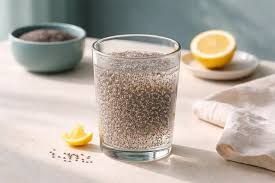
How to Drink Water With Chia Seeds Properly: A Complete Guide
Have you ever wondered why so many health enthusiasts are obsessed with chia seeds? These tiny black and white seeds are like nature’s little powerhouses, packed with nutrients that can transform your daily hydration routine. But here’s the thing – most people have no idea how to actually consume them correctly. If you’ve been thinking about adding chia seeds to your water but weren’t sure where to start, you’re in exactly the right place.
In this comprehensive guide, I’m going to walk you through everything you need to know about drinking water with chia seeds. We’ll explore the science behind it, practical tips for preparation, and how to integrate this simple habit into your lifestyle without feeling overwhelmed.
Understanding Chia Seeds and Their Nutritional Profile
Before we dive into the how-to, let’s talk about what makes chia seeds so special. These seeds come from the Salvia hispanica plant, native to central Mexico. They’ve been consumed for centuries, dating back to the Aztec civilization, and for good reason.
Chia seeds are genuinely impressive from a nutritional standpoint. Just one ounce of these seeds contains about ten grams of fiber, which is roughly a quarter of your daily recommended intake. They’re also loaded with omega-3 fatty acids, protein, and essential minerals like calcium, magnesium, and phosphorus. Think of them as a concentrated packet of wellness that’s ready to enhance your hydration habits.
Why People Are Adding Chia Seeds to Water
The trend of mixing chia seeds into water isn’t just a passing fad. There are legitimate reasons why people are doing this. When chia seeds come into contact with liquid, they absorb it and expand, creating a gel-like consistency. This process does something remarkable – it slows down your digestion, which means you feel fuller for longer and your energy levels remain more stable throughout the day.
Additionally, this hydrating drink helps promote regular bowel movements, supports cardiovascular health, and can even assist with weight management. The seeds also help your body absorb and retain water more effectively, which is particularly beneficial if you exercise regularly or live in a hot climate.
What You Need Before Getting Started
Let’s keep things simple here. You don’t need any fancy equipment or complicated ingredients to make chia seed water. Here’s what I recommend having on hand:
- Raw chia seeds (from a reliable source)
- Filtered water or tap water
- A drinking glass or bottle
- A spoon for stirring
- Optional flavor additions like lemon, lime, or fresh berries
That’s genuinely all you need. No blender, no special containers, nothing complicated. This is one of the most accessible wellness habits you can adopt.
The Basic Recipe for Chia Seed Water
Now, let’s get down to the practical stuff. Making chia seed water is straightforward, but there’s a right way and a wrong way to do it.
Step-by-Step Instructions
Here’s the simplest method that works beautifully:
- Pour one to two cups of water into your glass or bottle
- Add one to two tablespoons of chia seeds to the water
- Stir the mixture thoroughly to prevent clumping
- Let it sit for five to ten minutes
- Stir again before drinking
- Consume within thirty minutes to a few hours
That’s it. The key here is patience – don’t rush the process. When you first add the seeds, they’ll sink to the bottom. After a few minutes, they’ll start absorbing the water and creating that distinctive gel texture. This is exactly what you want to happen.
Why Timing Matters
You might be asking yourself why I mentioned consuming the drink within a specific timeframe. Well, if you let chia seed water sit for too long – say, more than a few hours – the seeds continue absorbing moisture and can become overly thick. While this won’t harm you, the texture becomes less pleasant to drink. It’s kind of like leaving oatmeal overnight; it works, but the consistency changes dramatically.
Getting the Proportions Right
One common question I hear is about the right ratio of seeds to water. This is where personal preference comes into play, but I can give you some guidance.
Beginner-Friendly Proportions
If you’re new to chia seed water, I’d recommend starting conservatively. Begin with one tablespoon of seeds per cup of water. This gives you a milder flavor and a less dramatic texture change. You can always adjust from there once your body gets used to it.
More Concentrated Options
Some people prefer a thicker, more substantial drink and use up to two tablespoons of seeds per cup of water. This creates what I call a “drinkable pudding” consistency. It’s more filling and might work better if you’re using this as part of your breakfast routine.
The beautiful thing about this is that there’s no perfect formula – just what works for your taste buds and digestive system. What matters is consistency and listening to your body’s responses.
Flavor Variations to Keep Things Interesting
Plain chia seed water is perfectly fine, but let’s be honest – variety keeps life exciting. Here are some combinations I’ve found work wonderfully:
Citrus-Based Options
Adding fresh lemon or lime juice to your chia seed water does more than improve the taste. The citric acid enhances mineral absorption and adds a refreshing zing. Squeeze half a lemon into your mixture and you’ve instantly upgraded your experience.
Berry and Fruit Combinations
Drop some fresh berries into your chia seed water or blend them with the water before adding the seeds. Blueberries, raspberries, and strawberries all work beautifully. You’re adding extra antioxidants and creating a more visually appealing drink.
Herbs and Natural Flavors
Fresh mint, a pinch of ginger, or a touch of honey can transform your chia seed water into something you’ll actually look forward to drinking. These additions not only improve flavor but also provide their own health benefits.
The Best Times to Drink Chia Seed Water
Timing your chia seed water consumption strategically can maximize its benefits. Let me share what I’ve learned works best:
First Thing in the Morning
Drinking chia seed water right after waking up jumpstarts your hydration and digestion. Your body has gone hours without fluids, and this is a perfect way to rehydrate while delivering nutrients. Plus, the sustained energy from the seeds can help you avoid that mid-morning energy crash.
Before or After Workouts
If you exercise regularly, chia seed water is your friend. Drinking it after your workout helps with recovery and replenishes fluids lost through sweat. The electrolytes and nutrients in chia seeds support muscle recovery and reduce post-exercise fatigue.
Between Meals
Since chia seed water creates a feeling of fullness, consuming it between meals can help prevent unnecessary snacking. This is particularly useful if you’re working on portion control or managing cravings throughout the day.
Evening Hydration
While you can drink chia seed water in the evening, be mindful of the timing. The fiber content means it will keep your digestive system active, which might affect your sleep if consumed too close to bedtime. I’d suggest finishing your chia seed water at least a few hours before sleep.
Important Precautions and Considerations
Before you start this habit, there are some important things you should know. This isn’t meant to scare you – just to help you make informed decisions.
Hydration Balance is Key
Here’s something critical: chia seeds absorb water, so while you’re technically consuming liquid, some of that water is being absorbed by the seeds themselves. This means you need to ensure you’re drinking adequate additional water throughout the day. Don’t rely solely on chia seed water for your hydration needs.
Start Slowly With Your Body
If you’re not used to consuming high amounts of fiber, jumping straight into chia seed water might cause digestive upset. Your gut bacteria need time to adjust to increased fiber intake. Begin with small amounts – maybe just half a tablespoon – and gradually increase over a couple of weeks.
Medication and Supplement Interactions
If you’re taking blood thinners or certain medications, consult with your healthcare provider before adding chia seeds to your routine. The omega-3 fatty acids in chia seeds have mild blood-thinning properties, which might interact with certain medications.
Allergies and Sensitivities
Though rare, some people have sensitivities to chia seeds. If you experience any allergic reactions like itching in your mouth, swelling, or digestive discomfort, discontinue use and seek medical advice.
How Much Chia Seed Water Should You Drink Daily?
This is a common question, and the answer depends on several factors including your current diet, activity level, and overall health.
General Guidelines
Most health experts suggest that consuming up to two tablespoons of chia seeds per day is safe for most adults. This translates to roughly two glasses of chia seed water if you’re using the standard one tablespoon per cup ratio. However, this isn’t a magical number – it’s just a reasonable guideline.
Listening to Your Body
Pay attention to how you feel. If you’re experiencing good energy levels, regular digestion, and overall wellness with one glass daily, there’s no need to increase. If you feel like you could benefit from more and your body is responding well, you can gradually increase to two glasses.
Remember, more isn’t always better. Consistency with a moderate amount is more valuable than sporadically consuming large quantities.
Storage and Shelf Life
Since we’re talking about preparation, let’s address storage. Can you make chia seed water in advance?
Short-Term Storage
You can prepare chia seed water a few hours in advance and store it in the refrigerator. This works well if you’re meal prepping or planning ahead. The mixture will continue to thicken slightly as the seeds absorb more water over time.
Longer-Term Considerations
I don’t recommend making chia seed water more than 24 hours in advance. Beyond that, the quality deteriorates and potential bacterial growth becomes a concern. It’s really best made fresh, especially since it takes just five minutes.
Combining Chia Seeds With Other Superfoods
Once you’ve mastered basic chia seed water, you might want to experiment with combinations. Here’s where things get creative:
Chia Seeds and Coconut Water
Using coconut water instead of plain water creates an electrolyte-rich drink that’s exceptional for hydration. This combination is particularly beneficial if you’re an athlete or someone who exercises frequently.
Adding Other Seeds and Grains
You can combine chia seeds with flax seeds, hemp seeds, or even small amounts of ground psyllium husk. Each adds its own nutritional profile and benefits. Just ensure you’re adjusting your water intake accordingly since all these seeds absorb liquid.
Green Tea and Chia Seed Water
Brew a cup of green tea, cool it slightly, add chia seeds, and you’ve created a powerful antioxidant drink. The catechins in green tea combined with the nutrients in chia seeds create a synergistic effect that’s genuinely beneficial.
Addressing Common Mistakes People Make
Over time, I’ve noticed several patterns in how people get chia seed water wrong. Let me help you avoid these pitfalls:
Not Stirring Adequately
If you don’t stir your chia seed water properly, the seeds will clump at the bottom and create an unpleasant texture. Stir right after adding the seeds and again before drinking to ensure even distribution.
Using Water That’s Too Hot
Some people try to use boiling water with chia seeds. This can damage some of the heat-sensitive nutrients. Use room temperature or cool water for optimal nutritional preservation.
Forgetting to Stay Hydrated
As I mentioned earlier, chia seeds absorb water. Some people drink their chia seed water and think they’re fully hydrated, then neglect to drink additional water. Remember that chia seed water is supplementary to, not a replacement for, your regular water intake.
Tracking Benefits and Adjusting Your Approach
How do you know if chia seed water is actually working for you? Pay attention to these markers:
- Changes in your energy levels throughout the day
- Improvements in digestive regularity
- Changes in hunger and cravings patterns
- Overall hydration levels and skin appearance
- Any changes in your exercise recovery
Keep informal notes about these factors for the first two to three weeks. This helps you understand whether chia seed water is providing meaningful benefits for your specific situation.
Conclusion
Drinking water with chia seeds properly is genuinely simple once you understand the basics. Start with one tablespoon of chia seeds per cup of water, give it five to ten minutes to gel, and enjoy. Pay attention to how your body responds, stay consistent, and don’t hesitate to experiment with flavors that appeal to you.
The beauty of this habit is that it requires minimal effort, minimal cost, and minimal equipment. Yet the potential benefits – improved hydration, better digestion, sustained energy, and enhanced nutrition – make it absolutely worth incorporating into your daily routine. Whether you’re looking to optimize your health, support your fitness goals, or simply find a refreshing way to stay hydrated, chia seed water deserves a place in your wellness toolkit.
Remember, consistency beats perfection. Start today, be patient with your body, and you might be surprised at how this small change makes a meaningful difference in how you feel.
Frequently Asked Questions About Drinking Chia Seed Water
Can I drink chia seed water every single day?
Yes, you can safely drink chia seed water daily, as long as you’re staying within the recommended amount of up to two tablespoons of seeds per day. Most people who incorporate this into their daily routine see consistent benefits from regular consumption. Just ensure you’re also drinking plenty of regular water throughout the day and listening to your body’s signals. If you notice any digestive discomfort, scale back slightly.
What happens if I accidentally swallow chia seeds without soaking them first?
Don’t panic if this happens. Swallowing a few dry chia seeds won’t cause harm, but they will absorb moisture in your digestive tract. This is actually why it’s important to consume them with adequate liquid – you want that absorption to happen in your glass, not in your stomach. For comfort and optimal nutrient absorption, always soak chia seeds in water before consuming them.