Find the Best Washing Machine for Your Home
Finding a good washing machine is all about matching your needs with the right features and budget. You want a machine that cleans your clothes effectively without breaking the bank or causing headaches. Research shows that focusing on capacity, energy efficiency, and your preferred wash cycle options will lead you to the best fit for your household.
The washing machine market can feel overwhelming with so many brands and models. We found that understanding the difference between top-load and front-load machines is a great starting point. Think about the space you have and how much laundry you typically do. This will help narrow down your choices considerably.
- Match size to your laundry load.
- Prioritize energy and water efficiency.
- Consider top-load vs. front-load pros and cons.
- Look for cycles that suit your fabrics.
- Read recent user reviews for reliability.
Ready to ditch that old clunker? Let’s walk through exactly how to find a washing machine that will make laundry day a little bit easier.
Selecting Your Ideal Washing Machine
Finding the right washing machine can feel like a big decision. You want a reliable workhorse that handles your laundry with ease. We’ve found that focusing on a few key areas will help you make a smart choice. Think about what you truly need, not just what looks fancy.
Understanding Washing Machine Types
The first major choice you’ll face is between a top-load and a front-load washing machine. Both have their own advantages, and the best one for you depends on your laundry habits and preferences.
Top-Load Washing Machines
Top-load machines are what many of us grew up with. They have the lid on top, making them easy to load. You don’t have to bend over as much, which is a big plus for some people.
Traditional Agitator Top-Loaders
These have a central post, the agitator, that twists and turns your clothes. They tend to be less expensive upfront and you can add forgotten items mid-cycle. However, they can be harder on fabrics and use more water.
High-Efficiency (HE) Top-Loaders
These models skip the central agitator. Instead, they use an impeller at the bottom of the drum to move clothes around. They use less water and are gentler on your clothes than agitator models. You might find they take a bit longer to wash.
Front-Load Washing Machines
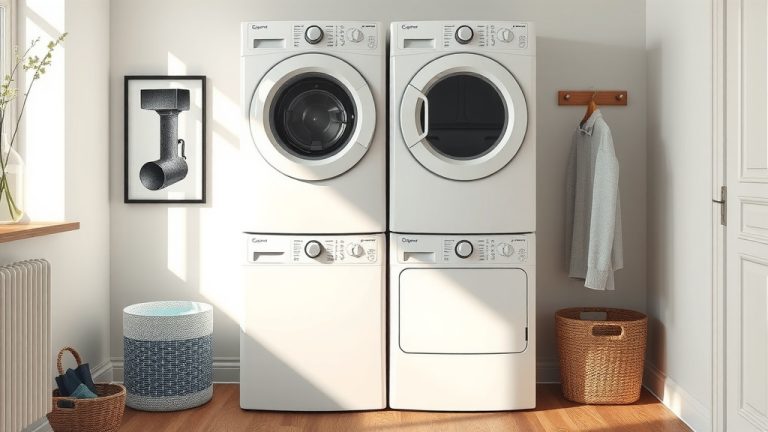
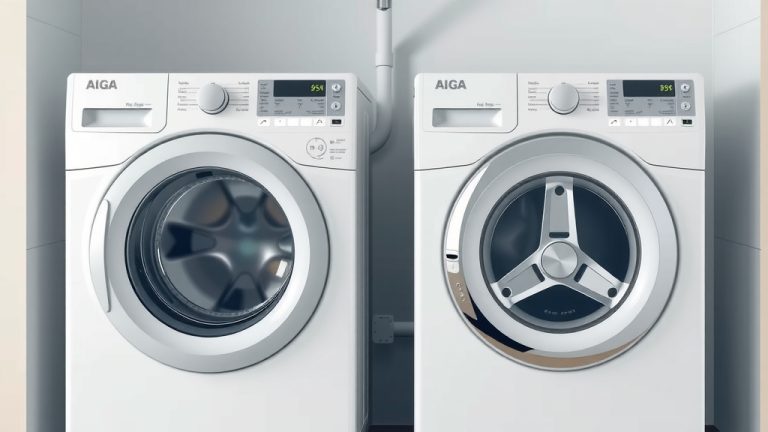
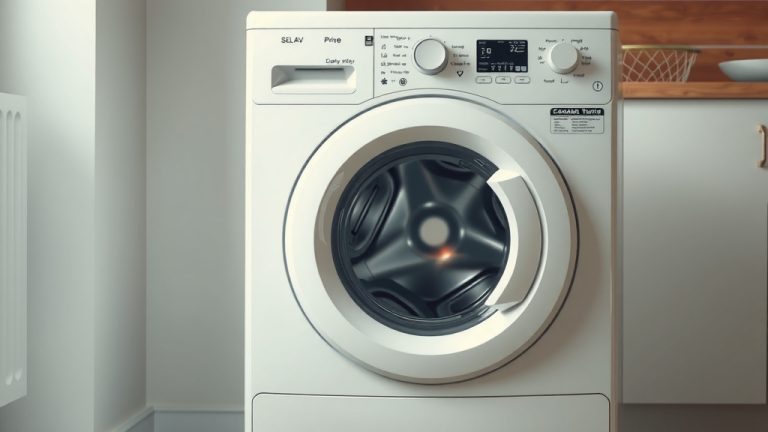
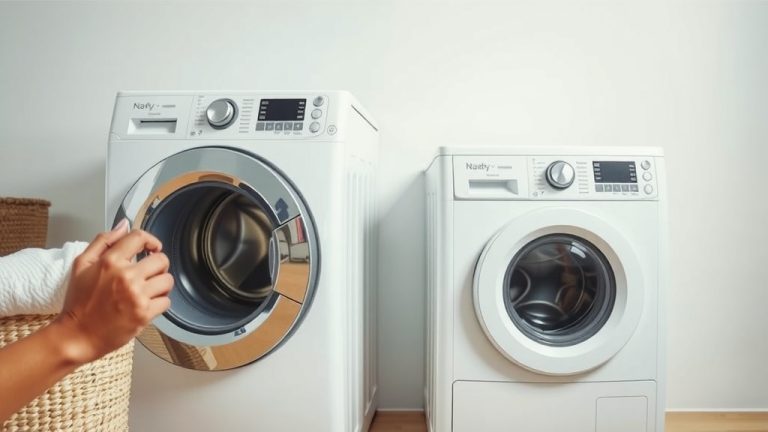
Front-load washers have the door on the front. You load them by bending down or using a pedestal to raise them. They are often seen as more energy-efficient and offer better cleaning performance.
These machines use gravity and tumbling action to wash clothes. This method is very effective at removing stains and is gentler on fabrics. They also spin faster, extracting more water and reducing drying time. This can save you money on your energy bill. Many experts agree they offer a superior clean (Consumer Reports).
A downside? They can be more expensive to purchase. Also, some people find the bending to load and unload a bit inconvenient, though the pedestal can help with this.
Capacity: How Much Laundry Do You Do?
Washing machine capacity is measured in cubic feet. This tells you how much laundry the drum can hold. Choosing the right size is essential for efficient washing.
Small Households (1-2 people)
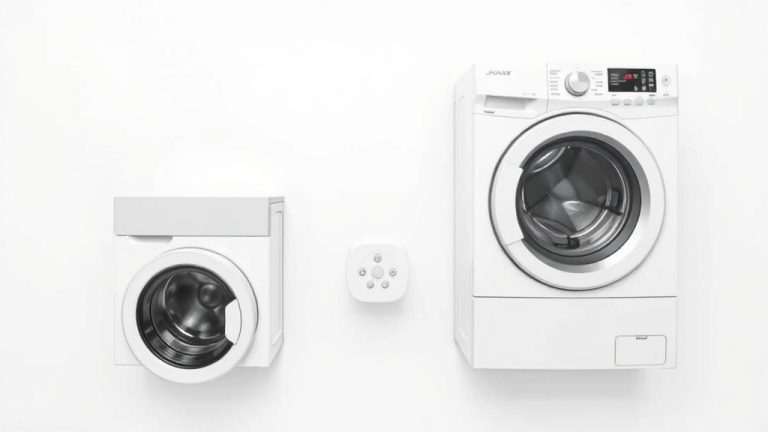
If you’re living alone or with one other person, a smaller capacity machine might be perfect. Look for models between 2.0 to 3.5 cubic feet. These use less water and energy, saving you money.
Average Households (3-4 people)
For a family of three or four, a medium capacity machine is usually a good fit. Aim for something in the 3.5 to 4.5 cubic feet range. This size can handle larger loads like bedding and towels without issue.
Large Households (5+ people)
If you have a big family or do a lot of laundry, you’ll want a large capacity washer. Consider models that are 4.5 cubic feet or larger. This will help you get through laundry day faster by washing more at once.
Energy and Water Efficiency Matters
Washing machines use both electricity and water. Choosing an energy-efficient model can save you money on utility bills over time. Look for the ENERGY STAR label.
The U.S. Department of Energy reports that ENERGY STAR certified washers use at least 25% less energy and 33% less water than standard models. This is good for your wallet and the environment.
Understanding Energy Labels
The yellow EnergyGuide label on appliances helps you compare models. It shows estimated yearly energy costs. It’s a quick way to see which machines are more efficient. Front-load washers generally perform better in terms of water usage compared to traditional top-loaders.
Essential Wash Cycles and Features
Beyond the basic wash and rinse, modern washing machines come with a variety of cycles and features. Think about the types of clothes you wash most often.
- Delicate Cycle: For your sweaters, lingerie, and other sensitive items.
- Heavy Duty Cycle: Great for heavily soiled items like work clothes or kids’ play clothes.
- Quick Wash: For lightly soiled items you need cleaned fast.
- Sanitize Cycle: Uses very hot water to kill germs. This is great for baby clothes or bedding (Cleveland Clinic).
- Steam Function: Can help remove wrinkles and allergens.
Many machines also offer adjustable water levels, temperature controls, and spin speeds. These allow you to customize each load for optimal cleaning. We found that machines with more flexible settings tend to satisfy users more.
Don’t Forget About Noise and Vibration
Some washing machines can be quite loud and vibrate excessively, especially during the spin cycle. If your laundry room is near a living area, this can be a real nuisance. Many manufacturers now focus on building quieter machines.
Check user reviews for comments on noise levels. Some models use special suspension systems to reduce vibration. Consider placing your washer on a reinforced floor if noise is a major concern.
Budget: What Can You Afford?
Washing machines range in price from a few hundred dollars to over $1,500. Your budget will influence the features and type of machine you can buy. Remember to factor in the potential long-term savings from energy efficiency.
Entry-Level Options
Basic top-load washers with agitators are usually the most affordable. They get the job done but might lack advanced features or the highest efficiency ratings.
Mid-Range Choices
This is where you’ll find many HE top-loaders and standard front-loaders. They offer a good balance of features, performance, and price. You can often find great deals in this category.
High-End Models
Premium front-load washers often come with smart features, steam cycles, and the best energy efficiency ratings. These are a bigger investment but can offer the most advanced cleaning and convenience.
A Quick Checklist for Your Search
Ready to start shopping? Keep this checklist handy:
- Measure your laundry space before you shop.
- Decide between top-load and front-load.
- Estimate your typical laundry load size.
- Look for the ENERGY STAR label.
- List the must-have wash cycles for your fabrics.
- Set a realistic budget.
Conclusion
You’re now equipped to find a washing machine that truly fits your life. Remember to weigh capacity, energy efficiency, and your preferred load types. Front-loaders often offer a gentler, more efficient clean. HE top-loaders are a great middle-ground. Consider your budget and those must-have cycles.
Your next step? Measure your laundry space and start comparing models that match your needs. You’ve got this!
Frequently Asked Questions
How do I know if a washing machine is reliable?
We found that reading recent user reviews is your best bet. Look for consistent comments about durability and fewer repair issues. Websites like Consumer Reports also offer reliability ratings based on owner surveys.
Is a front-load or top-load washer better for small spaces?
Both can fit into small spaces, but front-loaders generally have a more compact footprint for their capacity. If you have limited width, a front-loader might be easier to install. Some top-loaders can be quite tall.
How often should I clean my washing machine?
You should clean your washing machine at least once a month. This prevents mold and mildew buildup, especially in front-load models. Use a washing machine cleaner or run a hot water cycle with vinegar.
What does “HE” mean on a washing machine?
HE stands for High-Efficiency. HE machines use less water and energy to get your clothes clean. You’ll need to use HE detergent with these models for optimal performance and to avoid over-sudsing.
Are smart washing machines worth the extra cost?
Smart washing machines offer features like remote start and cycle notifications. If you value convenience and enjoy controlling appliances from your phone, they can be worth it. For basic needs, a non-smart model will still do a great job.