Front Load vs Top Load Washer: Which Is Better
When deciding between a front-load and a top-load washer, front-loaders generally offer a better clean and are more energy-efficient. They use less water and spin faster, which means clothes get cleaner and dry faster. While top-loaders can be cheaper upfront, front-loaders often save you money over time.
Your choice depends on your priorities. Front-loaders excel at cleaning power and water savings. Top-loaders often win on convenience and initial cost. We found that understanding these key differences helps make the best decision for your laundry room and your budget.
TL;DR:
- Front-loaders clean better and use less water.
- They also spin clothes drier, reducing drying time.
- Top-loaders are usually cheaper to buy initially.
- Consider your budget and cleaning needs.
Let’s dive into the pros and cons of each type to help you figure out which washing machine is the right fit for your home.
Front Load vs. Top Load Washers: Which is Best for You?
Deciding between a front-load and a top-load washer can feel like a big laundry day decision. Both do a great job getting clothes clean. But they each have their own quirks and benefits. We’ve looked into what makes each type stand out. Our research shows that understanding a few key differences will help you pick the perfect machine for your needs.
Understanding the Core Differences
The main difference is how they agitate your clothes. Top-loaders typically use an agitator in the center. This pole spins and tumbles clothes. Front-loaders tumble clothes by rotating the drum. This method is generally gentler on fabrics. It also allows for better water efficiency. Let’s break down the pros and cons of each.
Front-Load Washers: The Gentle Giants
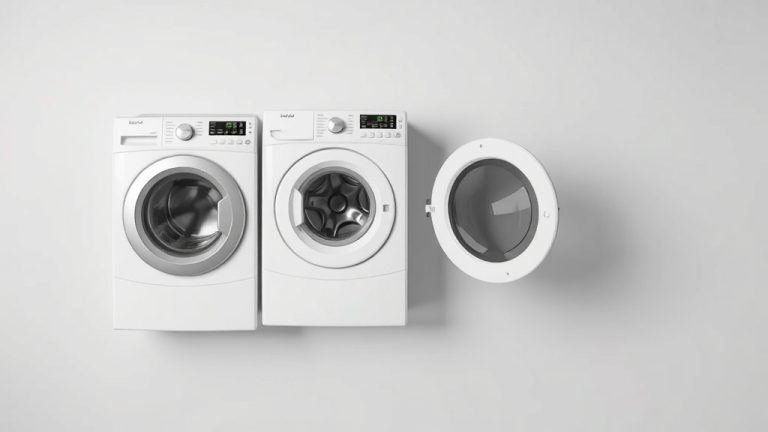
Front-load washers have a door on the front. You load clothes into the drum horizontally. They use gravity to tumble clothes. This action is much kinder to your clothes. It helps them last longer. Many users also find they get a deeper clean with this method. Fewer tangles mean less wear and tear.
Cleaning Performance
Front-loaders are known for their superior cleaning power. They use less water. This means the detergent is more concentrated. It can work more effectively on stains. The tumbling action is also more thorough. It scrubs dirt out of fabrics efficiently. Studies have shown they are better at removing tough stains compared to most top-loaders (Consumer Reports).
Water and Energy Efficiency
These machines are champions of saving water. They use about 70% less water than traditional top-loaders. This is because the drum only needs to be partially filled. Less water means less energy to heat it. This can lead to lower utility bills over time. They are also often Energy Star certified, making them an eco-friendly choice.
Spin Speed and Drying Time
Front-loaders spin much faster. Speeds can reach up to 1,600 RPM. This extracts more water from your clothes. They come out of the washer much drier. This significantly reduces drying time in your dryer. Less time in the dryer means less energy used there too. It’s a win-win for your laundry routine.
Capacity and Stackability
Many front-load models offer larger capacities. This means you can wash bigger loads. It’s great for families or for washing bulky items like comforters. A big perk is that most front-loaders are designed to be stackable. You can place a dryer on top of the washer. This saves a lot of floor space. It’s ideal for smaller laundry rooms or apartments.
Potential Downsides of Front-Loaders
While great, front-loaders aren’t perfect. They typically have a higher upfront cost. They also tend to have longer wash cycles. Some users also report that the door seal can develop mold or mildew. This is usually due to moisture being trapped. It’s important to leave the door ajar after use. You might also need to wipe down the seal regularly. This is a small price to pay for the benefits, many say.
Top-Load Washers: The Classic Convenience
Top-load washers have a lid on the top. You load clothes from above. They have been around for a long time. They are familiar to many. The main types are agitator models and impeller models. Impeller models use a low-profile cone or disc. They create less friction and are gentler than agitators.
Ease of Use and Accessibility
The biggest draw for top-loaders is convenience. You don’t have to bend down to load or unload. This is a big plus for those with back or knee issues. You can also add clothes mid-cycle easily. Just lift the lid and toss them in. This isn’t usually possible with front-loaders. Many find them more intuitive to use right away.
Wash Time and Cost
Top-load washers generally have shorter wash cycles. If you’re always in a hurry, this can be appealing. They are also typically less expensive to purchase initially. This can make them a budget-friendly choice for many households. You can find a good top-loader for a lower price point than a comparable front-loader.
Water Usage and Cleaning Habits
Traditional top-loaders with agitators use more water. They need to fill the tub completely. Newer HE (High Efficiency) impeller models use less water than older agitator types. However, they still generally use more water than front-loaders. Some users feel the cleaning isn’t as deep. Clothes can get tangled around the agitator. This can sometimes lead to wear or incomplete rinsing (Good Housekeeping Institute).
Potential Downsides of Top-Loaders
Top-loaders can be rougher on clothes. The agitator can cause stretching and snagging. They aren’t as water and energy efficient. This means higher utility bills in the long run. They also cannot be stacked. This takes up more floor space in your laundry area. Their cleaning performance may not match that of front-loaders for tough stains.
Making the Right Choice for Your Home
When weighing your options, think about your priorities. Do you want the best possible clean and water savings? A front-loader might be your winner. Are you on a tighter budget upfront? Or do you value the convenience of a quick load and easy access? A top-loader could be a great fit.
We found that the best washing machine is the one that fits your lifestyle and your budget. Consider these questions:
- How much space do you have?
- What is your budget for the initial purchase?
- Are you concerned about utility costs over time?
- How important is gentleness on your clothes?
- Do you have any physical limitations affecting loading?
Here’s a quick comparison table to help visualize:
| Feature | Front Load | Top Load (Agitator) | Top Load (Impeller) |
|---|---|---|---|
| Cleaning Performance | Excellent | Good | Good |
| Water Efficiency | Highest | Lowest | Medium |
| Energy Efficiency | Highest | Lowest | Medium |
| Gentle on Clothes | Highest | Lowest | Medium |
| Spin Speed | Highest | Medium | Medium |
| Upfront Cost | Higher | Lower | Lower to Medium |
| Stackable | Yes | No | No |
| Add Clothes Mid-Cycle | Difficult | Easy | Easy |
Ultimately, both types can serve you well. Researching specific models within each category is the next step. Look at reviews and energy ratings. This will ensure you get a washer that meets your household’s needs for years to come. Your laundry days will thank you!
Conclusion
You’ve seen how front-load and top-load washers stack up. Front-loaders generally offer superior cleaning and use less water and energy, saving you money over time. They’re also stackable, perfect for saving space. Top-loaders often win on initial cost and convenience, with faster cycles and easier loading. Your choice hinges on whether you prioritize deep cleaning and efficiency or upfront affordability and quick access. Consider your space, budget, and how you do laundry. We found that the best machine is one that fits your life. Your next step is to look at specific models and their features to make that perfect match for your home.
Frequently Asked Questions
Which type of washer is better for sensitive skin or delicate fabrics?
Front-load washers are generally better for sensitive skin and delicate fabrics. Their tumbling action is much gentler, reducing snagging and stretching. This means your clothes, especially delicates, will last longer and feel softer against your skin.
Are top-load washers really that much less efficient than front-loaders?
Yes, traditional top-loaders with agitators use significantly more water and energy. Newer High-Efficiency (HE) top-loaders are better, but most front-loaders still hold the edge in water and energy savings. This can lead to higher utility bills with older or standard top-load models.
How do I prevent mold and mildew in my front-load washer?
The best way to prevent mold and mildew in a front-loader is to leave the door ajar after each use. This allows air to circulate and dry out the drum and door seal. Wiping down the seal with a clean cloth periodically also helps.
Can I use regular detergent in a high-efficiency (HE) top-load washer?
It’s best to use HE detergent in HE top-load washers. Regular detergent creates too many suds in these machines, which can lead to poor rinsing and even damage the appliance. Always check your washer’s manual for the recommended detergent type.
If I have limited laundry space, which type should I choose?
If space is a concern, a front-load washer is likely your better option. Front-loaders are designed to be stacked with a matching dryer. This vertical setup can save a significant amount of floor space, making them ideal for apartments or smaller homes.