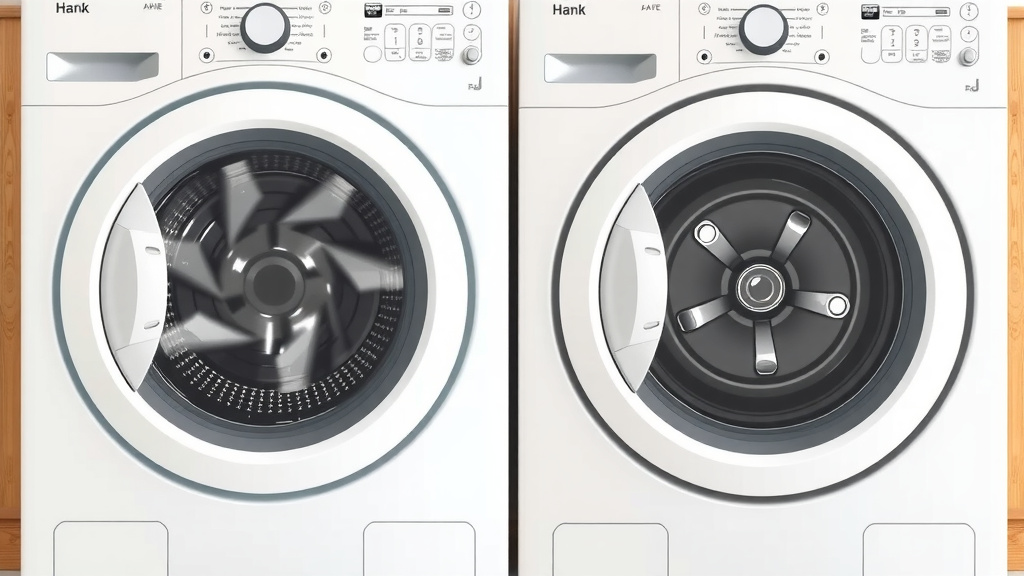
Agitator vs Impeller Washer Which is Best for You
When choosing a washing machine, the biggest difference often comes down to the agitator vs. impeller debate. While both get your clothes clean, an impeller washer generally offers a gentler wash and a larger capacity, making it a popular choice for modern households. An agitator, on the other hand, is known for its powerful cleaning action on tougher stains.
Deciding between these two types means weighing your priorities. You might be looking for a machine that’s kinder to delicate fabrics or one that can handle bulky loads. We found that understanding how each system works is key to making the right choice for your laundry needs and fabric care. It’s about finding the best fit for your home.
- Agitator washers use a central post to twist and turn clothes.
- Impeller washers use a low-profile cone or disc to move clothes.
- Impellers typically offer more space for larger items.
- Agitators can be rougher on clothes but offer powerful cleaning.
- Consider your fabric types and load sizes when choosing.
Let’s break down the key differences between agitator and impeller washing machines so you can decide which is the better fit for your laundry room.
Agitator vs. Impeller Washers: Which Cleaning Method is Right for You?
Deciding between an agitator and an impeller washer is a big laundry room decision. You want clothes that are clean and fabrics that last. Let’s look at how these two systems work differently. We found that understanding the mechanics helps you choose the best machine for your home.
How Agitator Washers Work
Agitator washers have been around for a long time. They feature a central post in the middle of the drum. This post has fins or vanes. During the wash cycle, the agitator twists and turns. It moves back and forth vigorously. This action rubs clothes against each other and the agitator itself. We found this motion creates a powerful cleaning force.
The Cleaning Power of Agitators
This robust movement is great for tackling tough stains. Think mud, grease, or grass. The friction generated helps lift dirt and grime effectively. Many experts say this method is excellent for heavily soiled items. It’s like giving your clothes a good scrub.
Potential Downsides of Agitators
However, this strong action can be hard on fabrics. The constant rubbing can lead to wear and tear over time. Delicates might not fare well in an agitator machine. We found that it’s often recommended to avoid washing fine sweaters or lingerie in these models. They can also be noisier during operation.
Understanding Impeller Washers
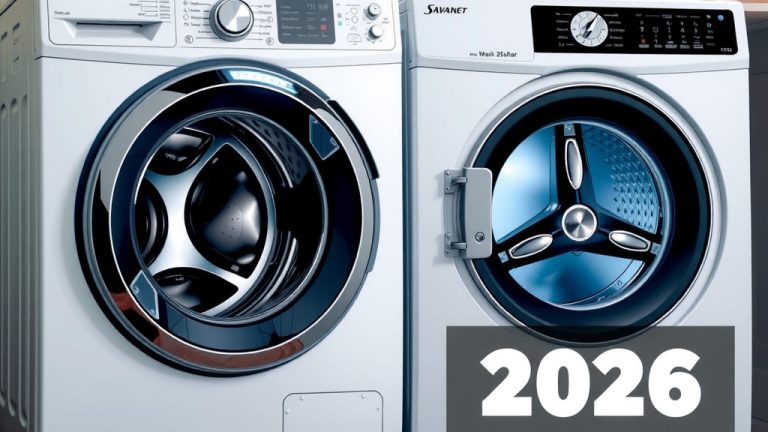
Impeller washers are a more modern design. They don’t have a central agitator post. Instead, they use a low-profile disc or cone at the bottom of the drum. This part is called an impeller. It has fins or blades on it. The impeller spins and rotates. This action creates currents and turbulence in the water.
The Gentle Yet Effective Wash Cycle
These water currents gently move the clothes around the drum. They cascade and tumble against each other. This method is much kinder to your fabrics. We found that many consumers prefer this for everyday clothing and even some delicates. It’s a more fluid washing motion.
Maximizing Your Wash Capacity
A significant benefit of impeller designs is the extra space. Without the central agitator, the drum can hold more clothes. This means you can wash larger loads. It’s perfect for bulky items like comforters, blankets, or large towels. You might find yourself doing fewer loads of laundry each week. Many sources point to this as a major advantage for families.
How Impellers Tackle Stains
While gentler, impeller washers are still effective at cleaning. The improved water circulation and tumbling action help detergent reach all parts of the clothes. For lightly to moderately soiled items, they perform very well. We found that for deeply set stains, you might need to pre-treat or use a specific wash setting. It’s a different approach to stain removal than the brute force of an agitator.
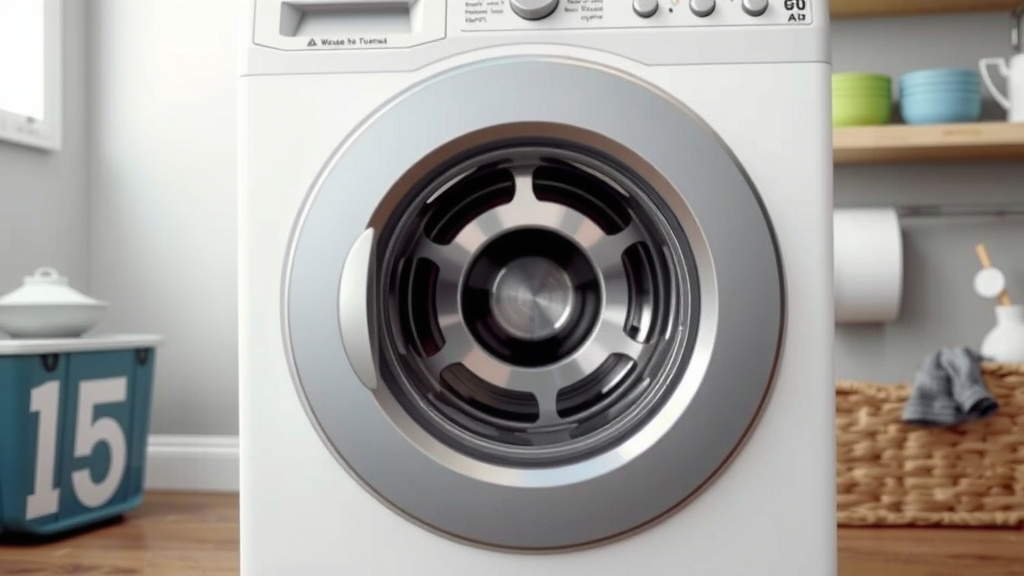
Agitator vs. Impeller: A Direct Comparison
Let’s put them head-to-head on key features. We found that the choice often comes down to your personal laundry habits and needs.
| Feature | Agitator Washer | Impeller Washer |
|---|---|---|
| Cleaning Action | Vigorous twisting and rubbing | Gentle water currents and tumbling |
| Fabric Care | Can be rough on clothes | Much gentler on fabrics |
| Load Capacity | Smaller capacity due to agitator | Larger capacity, fits bulky items |
| Stain Removal | Excellent for tough, set-in stains | Good for moderate stains, may need pre-treatment for tough ones |
| Water Usage | Typically uses more water | Generally uses less water |
| Wash Time | Often shorter cycles | Can have slightly longer cycles |
Which is More Energy Efficient?
Many studies indicate that impeller washers tend to be more energy and water-efficient. This is due to their ability to use less water per cycle. Less water means less energy is needed to heat it, if you use hot water settings. Also, their cycles are sometimes designed to be a bit longer, allowing for more efficient use of the water and detergent. We found that this can lead to lower utility bills over time.
Making Your Final Decision
So, how do you pick the winner for your laundry room? Consider these points.
- Fabric Types: Do you have a lot of delicate items or do you prioritize keeping clothes looking new longer? An impeller might be your best bet.
- Load Size: Are you often washing large items or do you have a big family with lots of laundry? An impeller’s larger capacity is a huge plus.
- Stain Severity: Do you frequently deal with heavily soiled clothes or tough, ground-in dirt? An agitator’s power might be what you need.
- Water and Energy Use: Are you looking to reduce your environmental footprint and save on utility costs? Impellers generally win here.
- Budget: While prices vary widely, older agitator models can sometimes be found at lower price points. However, many new high-efficiency agitator models are available. Our guide to washing machine prices can help you budget for your purchase.
We found that many modern washers combine features, so it’s worth checking specific model specifications. Ultimately, the best washer for you depends on your individual laundry challenges and preferences. It’s about finding that perfect balance for your household needs.
Conclusion
Choosing between an agitator and an impeller washer comes down to your laundry needs. Agitator washers offer robust cleaning power for tough stains, but can be harder on fabrics. Impeller washers provide a gentler wash, handle larger loads, and are typically more water-efficient. We found that for most households prioritizing fabric care and capacity, an impeller is often the preferred choice. However, if you frequently battle deeply set stains, an agitator might still serve you best. Before you buy, consider your typical laundry loads and fabric types to make the right decision for your home.
Frequently Asked Questions
Do agitator washers really clean better?
Agitator washers can provide a more vigorous clean, especially on heavily soiled items. Their mechanical action physically scrubs fabrics to lift dirt. However, impeller washers also clean effectively through water turbulence and tumbling, particularly for everyday laundry.
Can impeller washers handle large or bulky items?
Yes, impeller washers generally offer larger capacities because they lack a central agitator post. This extra space allows you to wash bulky items like comforters, blankets, and large towels more easily. You’ll likely find yourself doing fewer loads with an impeller model.
Are impeller washers better for delicate clothing?
Impeller washers are usually a better choice for delicate clothing. Their washing action is much gentler, using water currents and tumbling to move clothes instead of harsh rubbing. This reduces the risk of snagging or stretching delicate fabrics.
Which type of washer uses less water?
Impeller washers are typically more water-efficient. They use less water per load because the impeller design doesn’t require the drum to be completely filled. This can also translate to energy savings, especially if you use heated water cycles.
How do I know if I need an agitator for tough stains?
If you frequently deal with ground-in dirt, mud, or very stubborn stains, an agitator’s powerful scrubbing action might be beneficial. For impeller washers, you may need to pre-treat tough stains or use specialized stain-removal cycles.