

Boost AC Cooling: Simple Tricks for Maximum Chill
You can increase your air conditioner’s cooling power by taking a few simple steps. Ensuring your air filter is clean is the fastest way to get more cool air flowing. Also, make sure your unit’s outdoor condenser is free of debris. These actions help your AC work more efficiently.
When your air conditioner struggles to cool, it might be doing more work than necessary. Dirty filters and blocked outdoor units force the system to strain. This not only reduces cooling but can also lead to higher energy bills. We found that regular maintenance is key to peak performance and preventing costly repairs.
TL;DR:
- Clean your air filter regularly.
- Keep the outdoor unit clear of leaves and dirt.
- Check for air leaks around windows and doors.
- Consider professional AC tune-ups.
- Ensure proper insulation in your home.
Let’s walk through exactly how to get your AC blowing colder air in no time.
Boost Your Air Conditioner’s Cooling Power
Is your air conditioner working overtime and still not keeping your home comfortably cool? You’re not alone! Many homeowners face this frustrating issue, especially when the summer heat really kicks in. The good news is, you can often significantly improve your AC’s cooling performance with a few smart, simple adjustments. Let’s dive into how you can get your system blowing colder air and keep your home feeling like an oasis.
The Power of a Clean Air Filter
This is hands-down the easiest and most impactful step you can take. Think of your air filter like the lungs of your AC system. When it’s clogged with dust and debris, it restricts airflow. This makes your entire system work harder just to push air through.
Why a Clogged Filter Hurts Cooling
A dirty filter doesn’t just mean less cool air. It can cause several other problems:
- Reduced Airflow: Less cool air makes it into your rooms.
- Frozen Evaporator Coils: When airflow is poor, the coils inside your AC unit can get too cold and freeze over. This completely stops cooling.
- Increased Energy Bills: Your AC runs longer to compensate, using more electricity.
- System Strain: The motor and other components are under more stress, potentially leading to premature wear and tear.
How Often Should You Change It?
Most experts recommend changing or cleaning your air filter every 1 to 3 months. However, this can vary based on your home environment. If you have pets, allergies, or live in a dusty area, you might need to check it more frequently. We found that a quick visual check monthly is a good habit to get into. If it looks visibly dirty, it’s time for a change!
Keep the Outdoor Unit Clear and Clean
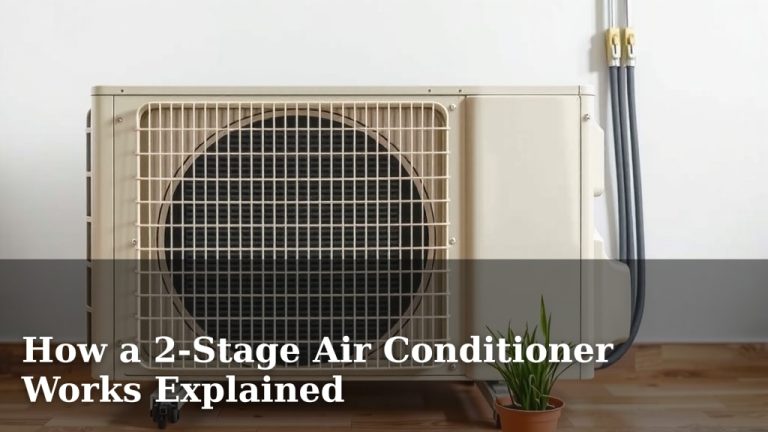
Your air conditioner has two main parts: the indoor unit and the outdoor unit, also called the condenser unit. The outdoor unit is where your AC releases heat from inside your home. It needs plenty of space and clean air to do its job effectively.
Obstructions Affect Performance
Over time, leaves, grass clippings, dirt, and even small branches can pile up around and on top of your condenser unit. This buildup acts like a blanket, trapping heat and preventing the unit from expelling it efficiently. We found that a unit struggling to release heat can’t cool your home properly.
Simple Steps for a Cleaner Condenser
You can usually clean your outdoor unit yourself. Start by turning off the power to the unit at your breaker box. This is a critical safety step!
- Clear Debris: Gently remove any leaves, twigs, or other debris from around the base and sides of the unit.
- Straighten Fins: The sides of the unit have thin metal fins. If these are bent, they can block airflow. You can buy a special tool called a “fin comb” to gently straighten them.
- Gentle Rinse: Use a garden hose with a gentle spray (not high pressure) to rinse dirt from the fins. Work from the inside out if possible.
Many HVAC professionals suggest doing this at least once a year, often in the spring before the cooling season really begins.
Seal Up Air Leaks for Better Efficiency
Even the best-performing air conditioner will struggle if cool air is constantly escaping your home. Air leaks are like tiny holes in your cooling bubble, letting the cold air out and the hot air in.
Where to Look for Leaks
The most common culprits are around windows and doors. You might also find leaks around electrical outlets, plumbing penetrations, and attic hatches. A quick visual inspection can reveal gaps. You might see daylight peeking through around a window frame, or feel a draft.
Easy Sealing Solutions
Fixing these leaks is usually straightforward and very cost-effective:
- Weatherstripping: Apply this foam or rubber material around door and window frames to create a seal when they are closed.
- Caulking: Use caulk to fill small cracks and gaps in stationary areas, like around window trim or where different building materials meet.
- Door Sweeps: Attach these to the bottom of your exterior doors to block drafts.
We found that sealing these common areas can make a noticeable difference in how long your AC needs to run to maintain a cool temperature.

Check Your Home’s Insulation
Proper insulation is your home’s first line of defense against outside temperatures. If your attic, walls, or crawl spaces aren’t well-insulated, heat will transfer into your home, making your AC work much harder.
Attic Insulation is Key
The attic is often the biggest offender. Heat rises, and on a hot day, your attic can become a furnace. Proper attic insulation acts as a barrier, keeping that heat from radiating down into your living space. Many energy efficiency guides suggest that R-30 or higher is ideal for most attics (Department of Energy).
When to Consider Upgrading
If your home is older, or if you’ve never had your insulation checked, it might be time for an upgrade. You can often tell if your insulation is inadequate if your upstairs rooms are significantly warmer than downstairs, or if you feel heat radiating from the ceiling.
Consider Professional AC Tune-Ups
While you can handle many maintenance tasks yourself, a professional tune-up is an excellent way to ensure your AC is running at its best and to catch potential problems early.
What a Tune-Up Includes
An HVAC technician will perform a thorough inspection. This often includes checking refrigerant levels, cleaning coils, inspecting electrical connections, lubricating moving parts, and testing the thermostat. They can identify issues you might miss and make necessary adjustments.
Benefits of Regular Maintenance
Many HVAC experts recommend an annual tune-up, typically in the spring. This service can:
- Improve Efficiency: A well-maintained system uses less energy.
- Prevent Breakdowns: Catching small issues can stop them from becoming big, costly repairs.
- Extend Lifespan: Regular care helps your AC unit last longer.
We found that investing in a professional tune-up can pay for itself through lower energy bills and fewer repair costs over time.
Optimize Airflow with Vents and Fans
Even with a well-maintained AC, how you use your vents and fans can impact how cool your home feels.
Don’t Block the Airflow
Make sure the vents in your rooms are not blocked by furniture, curtains, or rugs. Obstructions force the cool air to go somewhere else, making that room feel warmer. Also, ensure your thermostat is placed in a central location, away from direct sunlight or heat sources, so it can accurately read the room temperature.
Using Ceiling Fans Effectively
Ceiling fans don’t cool the air itself, but they create a wind-chill effect on your skin, making you feel cooler. When your AC is running, using ceiling fans on a low setting can allow you to set your thermostat a few degrees higher, saving energy. Just remember to set them to spin counter-clockwise in the summer!
By tackling these steps, you can help your air conditioner work smarter, not harder, to keep your home refreshingly cool all season long. Remember, consistent, basic maintenance is the most effective strategy for optimal performance.
Conclusion
You’ve learned how small adjustments can make a big difference in your AC’s cooling power. Keeping your air filter clean and your outdoor unit free from debris are the simplest, most effective steps. Sealing air leaks and ensuring good insulation further help your system run efficiently. Regular professional tune-ups can also prevent costly issues down the line. By implementing these tips, you’ll enjoy a cooler home and potentially lower energy bills. Your next step is to grab your flashlight and check that air filter – you might be surprised how much it helps!
Frequently Asked Questions
How often should I really change my AC filter?
For most homes, changing your air filter every 1 to 3 months is a good rule of thumb. If you have pets or allergies, checking it monthly and replacing it when visibly dirty is best. A clean filter is key for consistent, strong cooling.
Can cleaning the outdoor AC unit really make that much difference?
Yes, it absolutely can! Your outdoor unit releases heat from your home. When it’s covered in leaves and dirt, it can’t do this job effectively. Clearing debris allows your AC to expel heat more efficiently, leading to better cooling indoors.
My upstairs is always hotter than downstairs. What’s wrong?
This often points to insulation issues, especially in your attic. Heat rises, and poor attic insulation lets that heat bake into your home. Checking and potentially upgrading your attic insulation can make a significant difference in temperature balance.
Is it worth getting an annual AC tune-up if everything seems to be working okay?
We found that annual tune-ups are highly recommended by HVAC professionals. They can catch small problems before they become big repairs, ensure your system is running at peak efficiency, and extend its overall lifespan, saving you money in the long run.
How do ceiling fans help my air conditioner cool better?
Ceiling fans create a wind-chill effect on your skin, making you feel cooler even if the air temperature hasn’t dropped. Using them on a low setting while your AC runs allows you to set your thermostat a few degrees higher, saving energy without sacrificing comfort.
![7 Best Rated Wall Mounted Air Conditioner [2026]](https://bathroomexplorer.com/wp-content/uploads/2026/06/7-best-rated-wall-mounted-air-conditioner-2026-featured-768x432.jpg)
![7 Best Inverter Air Conditioner For Home [2026]](https://bathroomexplorer.com/wp-content/uploads/2026/06/7-best-inverter-air-conditioner-for-home-2026-featured-768x432.jpg)
![7 Best Central Air Conditioner Heat Pump [2026]](https://bathroomexplorer.com/wp-content/uploads/2026/06/7-best-central-air-conditioner-heat-pump-2026-featured-768x432.jpg)