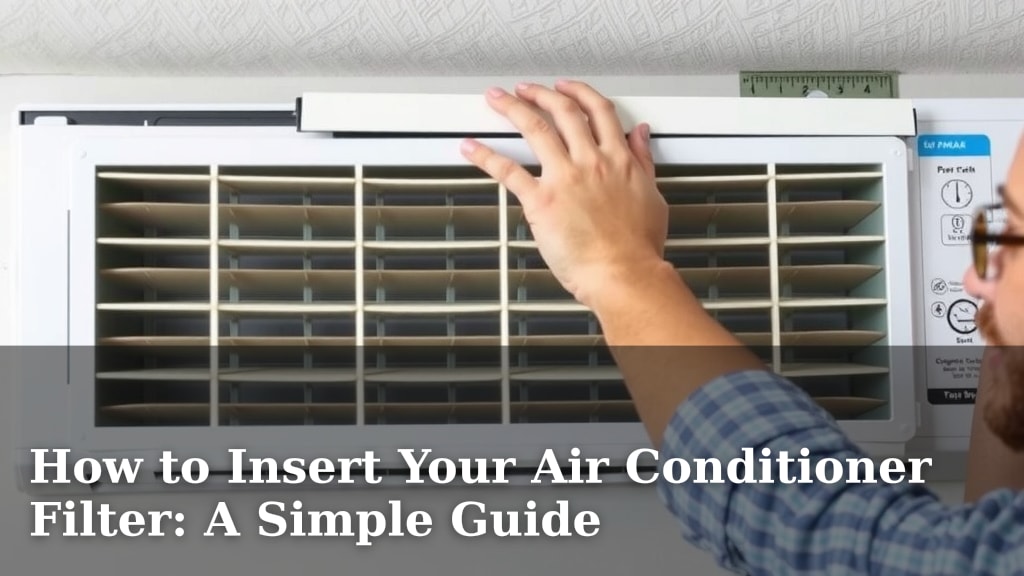
How to Insert Your Air Conditioner Filter: A Simple Guide
Inserting an air conditioner filter is a simple process that can significantly improve your home’s air quality and keep your HVAC system running smoothly. You just need to locate your filter slot, identify the correct filter size, and slide the new one into place, paying attention to the airflow direction arrow. It’s often easier than you think!
Knowing how to properly change your AC filter helps prevent costly system repairs and can even lower your energy bills. A dirty filter makes your air conditioner work harder. This guide will help you quickly find and replace your filter, ensuring your system breathes easy and your home stays comfortable. It’s a small task with big benefits for your health and your wallet.
- Locate your AC filter slot.
- Note the filter size and airflow direction.
- Turn off your AC unit before starting.
- Slide out the old filter and insert the new one.
- Ensure the airflow arrow points the correct way.
Ready to get your hands a little dusty (but not too much!)? Let’s walk through exactly how to insert your new air conditioner filter step by step.
Putting Your New Air Conditioner Filter in Place
You’ve got your new filter, and you’re ready to install it. It’s a straightforward process, but paying attention to a few key details will make sure your air conditioner runs efficiently. We’ll guide you through each step, so you can get it done quickly and correctly. This small task makes a big difference.
Step 1: Locate Your AC’s Filter Slot
First things first, you need to find where your old filter is hiding. Most homes have the filter slot located in one of a few common places. Let’s pinpoint yours so you can get to work.
Common Filter Locations
The most frequent spot is often on the furnace or air handler itself. This is usually a large metal or plastic box where the air returns to be heated or cooled. Look for a slot or a small door on the side or front of this unit. It might have a small lever or screws holding it shut. Another common place is in the return air grille in your wall or ceiling. This looks like a large vent with a cover you can open.
When to Look Further
If you’ve checked the furnace and return grilles without success, your filter might be in a less common location. Sometimes, it’s in a designated closet or even outside the main unit. Don’t worry if it takes a minute to find; sometimes they are tucked away. The key is a slot that accepts a rectangular filter.
Step 2: Prepare for the Filter Change
Before you slide out that old filter, there are a couple of essential steps to take. These ensure your safety and the proper function of your AC unit. It’s like prepping your kitchen before you start cooking – it makes everything go smoother.
Safety First: Turn Off Your AC
This is a non-negotiable step. You absolutely need to turn off your air conditioning system at the thermostat and then at the breaker box. This prevents dust and debris from being sucked into your system while the old filter is out. It also protects you from any accidental start-ups. You don’t want your AC kicking on with the filter missing!
Identify Filter Size and Airflow Direction
Look at your old filter. It usually has the size printed on its frame, often in a format like 20x20x1 or 16x25x4. If it’s not clear, measure the old filter yourself. Make sure your new filter is the exact same size. Also, check for an arrow printed on the side of the filter. This arrow shows the correct direction of airflow. You’ll need this for the next step. Getting the size wrong means the filter won’t seal properly, and air will bypass it. That defeats the purpose!
| Filter Size Format (Example) | What it Means |
|---|---|
| 20x20x1 | Width: 20 inches, Height: 20 inches, Depth: 1 inch |
| 16x25x4 | Width: 16 inches, Height: 25 inches, Depth: 4 inches |
We found that standard residential filters come in many sizes, so measuring carefully is always a good idea if the print is faded.
Step 3: Remove the Old Filter
Now it’s time to say goodbye to your dusty old filter. Be prepared for a little bit of dust. It’s a good sign you’re changing it at the right time!
Gently Slide Out the Old Filter
If your filter is in a slot on the furnace, you might need to open a cover first. Some have latches, others might have clips or screws. Once the cover is open, grasp the edge of the filter and pull it straight out. Try to keep it level to minimize dust falling out. If it’s stuck, give it a gentle wiggle. If it’s in a return grille, you’ll open the grille and slide the filter out the same way.
Proper Disposal
Once the old filter is out, place it in a plastic bag right away. This contains any loose dust and debris. Seal the bag and throw it in the trash. It’s a small step, but it keeps your workspace clean.
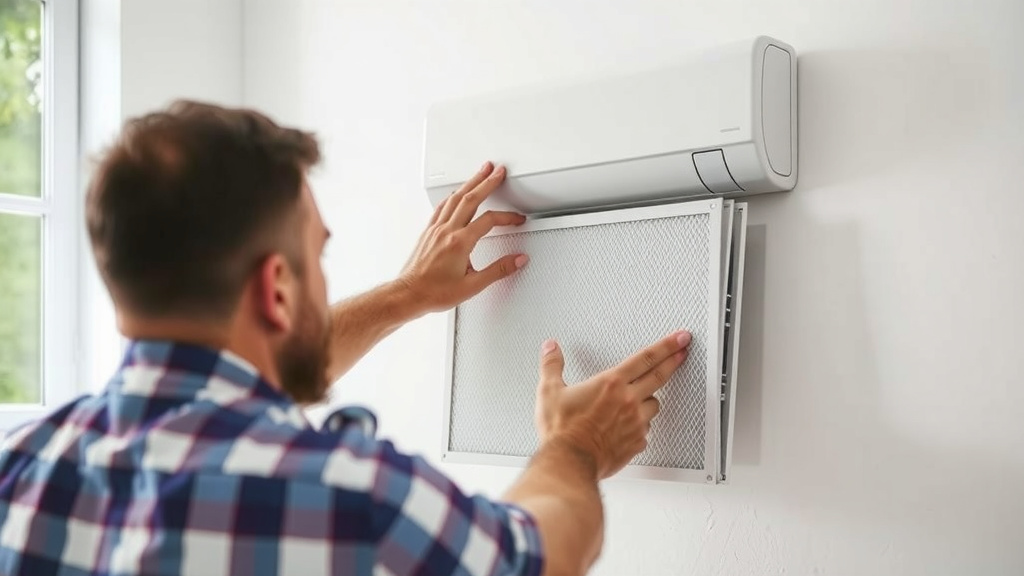
Step 4: Insert the New Air Conditioner Filter
This is the main event! Inserting the new filter is simple, but you need to pay close attention to the airflow direction. Getting this right is key for optimal performance.
Locate the Airflow Arrow
Take your new filter and look at its frame. You’ll see an arrow printed on the side. This arrow indicates the direction that air should flow through the filter. Your HVAC system pushes air through the filter to clean it before it circulates into your home.
Position the Filter Correctly
You need to insert the new filter so that the arrow points in the direction of airflow. For most furnaces, this means the arrow should point towards the furnace or air handler itself. If the filter is in a return air grille in the wall or ceiling, the arrow typically points into the wall or ceiling. Many experts recommend checking your system’s manual if you’re unsure. A filter installed backward can restrict airflow and put unnecessary strain on your system. We found that this is a common mistake people make, so double-check!
Slide the New Filter In
Gently slide the new, correctly oriented filter into the slot. It should slide in smoothly. If it feels like you’re forcing it, double-check that you have the right size and that nothing is obstructing the slot. Once it’s fully in place, it should fit snugly. If it’s a bit loose, you might need to adjust it slightly. Some systems have foam or rubber seals to ensure a tight fit.
Step 5: Secure Everything and Restart Your System
You’re almost done! Just a couple more things to do to get your AC back up and running efficiently.
Close and Secure the Filter Slot
If you had to open a cover or grille, close it securely. Make sure any latches, clips, or screws are put back in place. You want to ensure there are no gaps where air could leak in or out, bypassing the filter. A good seal is essential.
Restore Power and Turn On Your AC
Go back to your breaker box and turn the power back on to your HVAC system. Then, go to your thermostat and turn your air conditioner back on. You should hear your system kick on as usual. Give it a few minutes, and you should start to feel the air circulating normally again.
Quick Filter Insertion Checklist
- Turn off your AC at the thermostat and breaker.
- Confirm the new filter size matches the old one.
- Note the airflow arrow on the new filter.
- Remove the old filter carefully, bagging it for disposal.
- Insert the new filter with the arrow pointing correctly.
- Close and secure the filter compartment.
- Restore power and turn your AC back on.
Conclusion
You’ve successfully learned how to insert your new air conditioner filter! It’s a straightforward process that ensures your system works efficiently and your home’s air stays clean. Remember to always turn off your AC before starting and check the airflow arrow. This simple maintenance task protects your HVAC investment and contributes to a healthier living environment for you and your family. Make changing your filter a regular habit, and your system will thank you with years of reliable comfort. Go ahead and schedule your next filter change in your calendar now!
Frequently Asked Questions
How often should I change my AC filter?
The general recommendation is to replace your filter every 1 to 3 months. However, this can vary based on your household. If you have pets, allergies, or live in a dusty area, you may need to change it more frequently. We found that checking the filter visually each month is a good practice.
What happens if I put the filter in backward?
Installing your filter backward can restrict airflow, making your AC system work harder. This can lead to reduced efficiency, higher energy bills, and potentially strain your system. Always ensure the airflow arrow on the filter points in the correct direction, usually towards the furnace or air handler.
My new filter is slightly too big. What should I do?
If your new filter is slightly too large, you might be tempted to force it. However, this can damage the filter or your system. It’s best to ensure you have the correct size before purchasing. If it’s only slightly off, some suggest using tape to seal any gaps, but getting the exact size is always ideal for proper function.
Can I just rinse and reuse my disposable AC filter?
No, disposable filters are designed for single use. Rinsing them won’t restore their filtering capabilities and can even damage the material, allowing more particles through. For reusable filters, follow the manufacturer’s specific cleaning instructions. We found that buying new disposable filters is the most effective approach.
What if my filter slot is really hard to find?
If you’ve checked the usual spots like the furnace, air handler, or return grilles and still can’t find it, consult your HVAC system’s manual. Sometimes, filters are located in less obvious places, like a closet or external unit access panel. A quick call to your HVAC professional can also pinpoint the location.
![7 Best Cheap Air Conditioner For Small Room [2026]](https://bathroomexplorer.com/wp-content/uploads/2026/06/7-best-cheap-air-conditioner-for-small-room-2026-featured-768x432.jpg)