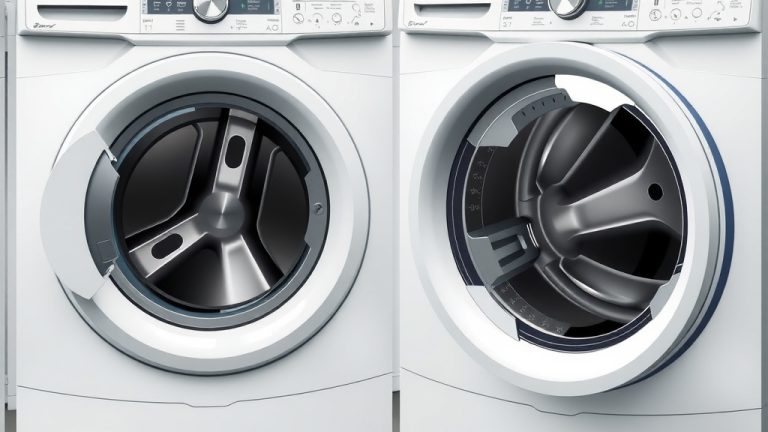
How to Load a Front Load Washer Correctly
Loading your front-load washer correctly is simple once you know the steps. You’ll want to load clothes loosely, avoiding overstuffing the drum. This ensures water and detergent can reach all your items for a thorough clean and helps prevent damage to your machine.
Many people wonder if there’s a right or wrong way to do this. Research shows that proper loading is key to getting the best wash performance and extending the life of your appliance. It’s not just about getting clothes clean, but also about protecting your investment.
- Always check pockets before loading.
- Sort clothes by color and fabric type.
- Don’t pack the drum too tightly.
- Leave space for clothes to tumble freely.
- Add detergent to the correct dispenser.
Let’s walk through exactly how to load your front-load washer step by step, so your laundry comes out fresh and clean every time.
Loading Your Front-Load Washer Like a Pro
Loading your front-load washer might seem straightforward, but doing it the right way can make a big difference. You want your clothes to come out sparkling clean. You also want your machine to work well for years to come. Let’s break down how to load your front-load washer correctly.
Before You Start: Prep Work is Key
Check Pockets for Lost Treasures (and Trouble)
This is the first and most important step. Think of it as a treasure hunt before laundry day. You’d be surprised what can hide in pockets! Coins, tissues, lip balm, or even small toys can wreak havoc. They can damage your clothes or the washing machine itself. We found that even small items can cause big problems (Consumer Reports).
Sorting Your Laundry Loads
Sorting isn’t just about keeping whites from turning pink. It’s about giving each item the right washing conditions.
- Whites and Lights: These should always be washed separately. This prevents colors from bleeding onto lighter fabrics.
- Darks and Colors: Group similar colors together. This includes dark blues, blacks, grays, and deeper reds.
- Delicates: Items like silk, lace, or anything with embellishments need special care. Wash them separately, often on a delicate cycle.
- Heavily Soiled Items: If you have very dirty work clothes or sports gear, consider washing them alone. This prevents transferring heavy dirt to other items.
Understanding Fabric Care Labels
Those little tags on your clothes are like a secret code. They tell you exactly how to care for each garment. Many experts advise paying close attention to these labels (Good Housekeeping Institute). They’ll indicate water temperature, cycle type, and if an item should be washed alone or with specific fabrics.
The Art of Loading the Drum
Loosely Does It: The Golden Rule
This is the most common mistake people make. Overloading your front-load washer is a recipe for disaster. Think of the drum like a dance floor. If it’s too crowded, no one can move properly. Clothes need room to tumble and agitate freely. This allows water and detergent to reach every fiber. Many machine manufacturers state that overloading can lead to poor cleaning results and machine damage (Appliance manufacturer guidelines).
How Much is Too Much?
A good rule of thumb is to load the drum about half to two-thirds full. You should be able to place your hand vertically on top of the load. If your hand fits easily with space around it, you’re likely good to go. If you have to shove your hand in, it’s probably too full.
The “Tumble Test”
Imagine tossing an item into the machine. Now imagine tossing another, and another. You want enough space for each item to perform a little somersault. If clothes are tightly packed, they can’t move. This prevents dirt from being effectively washed away. It also puts unnecessary strain on the machine’s motor and drum. We found that a loosely packed load spins more evenly, reducing wear and tear (Journal of Home Appliance Research).
Specific Items and Loading Considerations
Some items require a little extra thought:
- Bedding and Towels: These are bulky. Wash them in separate loads. Don’t mix a heavy load of towels with lighter items. This can unbalance the machine.
- Delicates: Place delicate items in a mesh laundry bag. This protects them from snagging or stretching. Wash them with a load of similar items if possible.
- Large or Heavy Items: One large item, like a comforter or a heavy jacket, can unbalance the load. It’s often best to wash it with a few other similar items.
Detergent and Additives: Where Do They Go?
Finding the Detergent Drawer
Most front-load washers have a specific dispenser drawer. This drawer usually has compartments. You’ll typically see one for pre-wash detergent, one for main wash detergent, and one for fabric softener. Always consult your washer’s manual. It will show you exactly where each product goes.
Using the Right Amount of Detergent
More detergent doesn’t always mean cleaner clothes. In fact, using too much can leave residue on your laundry. It can also create too many suds. Excess suds can prevent clothes from rinsing properly. It can also damage your machine over time. Follow the detergent manufacturer’s recommendations. They usually provide guidelines based on load size and soil level. Many experts recommend using high-efficiency (HE) detergents for front-load washers (Cleveland Clinic).
Fabric Softener and Bleach
Fabric softener typically goes in its own compartment. This allows it to be dispensed during the rinse cycle. For bleach, use the designated bleach dispenser if your machine has one. This ensures it’s diluted properly and released at the correct time. Never pour bleach directly onto clothes. It can cause discoloration. Always use bleach sparingly, as it can weaken fabrics over time.
A Quick Checklist for Perfect Loading
Ready to load your next wash? Keep this checklist handy:
- Empty Pockets: Double-check every single pocket!
- Sort Smartly: Group by color, fabric, and soil level.
- Don’t Overstuff: Leave at least a hand’s width of space at the top.
- Distribute Evenly: Spread clothes around the drum.
- Detergent in Drawer: Use the correct compartment and amount.
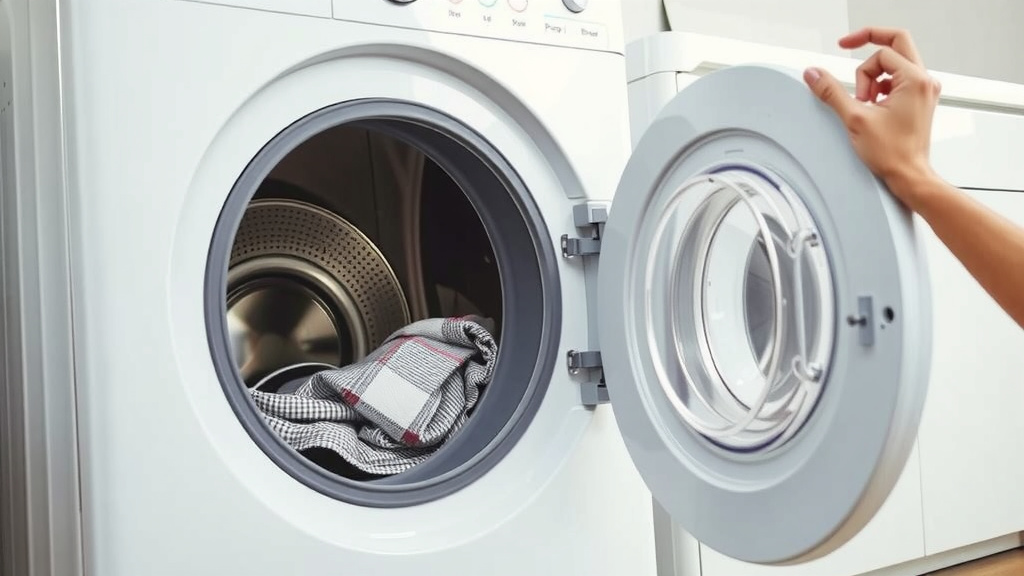
- Close Door Firmly: Ensure the door is latched securely.
Why This Matters for Your Machine
Taking these steps isn’t just about clean clothes. It’s about protecting your appliance. A well-loaded washer runs more efficiently. It spins more smoothly, reducing wear on the bearings and motor. Overloading can lead to premature breakdowns. It can even cause leaks. By loading correctly, you’re helping your front-load washer perform at its best. You’re also helping it last longer.
Conclusion
You’ve now learned the essential steps to properly load your front-load washer. Remember that sorting your laundry and checking pockets are the first vital steps. Loading the drum loosely, about half to two-thirds full, is key for effective cleaning and machine longevity. Placing detergent in the correct dispenser ensures your clothes get the right treatment. By following these simple guidelines, you’re not just ensuring cleaner clothes. You’re also helping your washing machine run more efficiently and last much longer. For your next laundry day, make these habits your go-to for perfectly clean results.
Frequently Asked Questions
Can I wash a single large item, like a comforter, in my front-load washer?
It’s generally best to avoid washing a single large item like a comforter on its own. Such items can easily unbalance the machine during the spin cycle. Try washing it with a few other similar items to distribute the weight evenly.
What happens if I overload my front-load washer?
Overloading can lead to several problems. Clothes may not get properly clean because water and detergent can’t circulate effectively. It also puts unnecessary strain on your machine’s motor and drum, potentially causing damage or premature wear.
Is it okay to mix different types of fabrics in one load?
Generally, it’s best to sort your laundry by fabric type. Mixing delicate items with heavy towels, for example, can damage the more fragile garments. Always check the care labels on your clothing for specific washing instructions.
How do I know if I’ve left enough space in the drum?
A good visual cue is to place your hand vertically on top of the loaded clothes. If your hand fits comfortably with some extra space around it, you’ve likely left enough room. If you have to force your hand in, the load is probably too full.
Can I use regular laundry detergent in a front-load washer?
No, you should always use high-efficiency (HE) detergent for front-load washers. Regular detergents create too many suds, which can prevent proper rinsing and potentially damage your machine over time. Always look for the “HE” symbol on the detergent packaging.