How to Load Clothes in a Front-Loading Washer
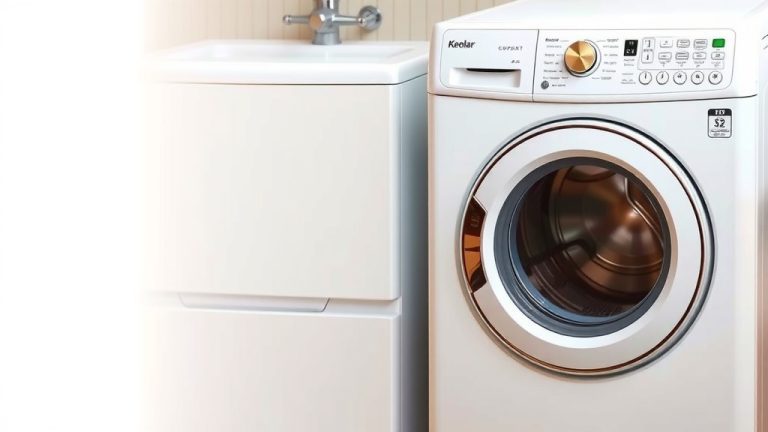
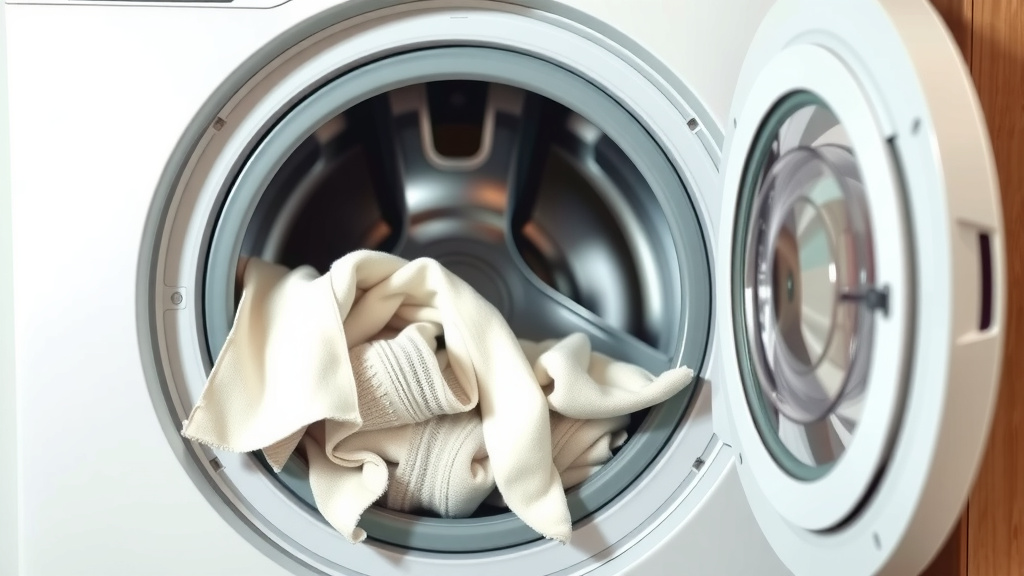
The best way to load clothes in a front-loading washer is to distribute them evenly around the drum without overstuffing. This ensures your clothes get thoroughly cleaned and your machine runs efficiently. You want to leave enough space for the water and detergent to circulate freely, which is key to getting your laundry truly spotless.
Many people wonder if they’re doing it right, and it’s a fair question! Proper loading is essential for preventing damage to your clothes and your machine. It also makes sure your detergent works its best, leading to fresher, cleaner laundry every single time. Getting this right can save you headaches and help your washer last longer.
- Don’t overstuff the drum; clothes need room to tumble.
- Distribute items evenly around the sides of the drum.
- Separate small and large items for better washing.
- Pre-sort your laundry by color and fabric type.
Let’s walk through exactly how to load your front-loading washer for the best results, step by step. It’s simpler than you might think!
Your Guide to Loading a Front-Load Washer Correctly
So, you’ve got a front-load washer, and you want to make sure you’re using it like a pro. It’s really not that complicated! Loading your laundry the right way is the If you’re curious about alternatives, our guide to top-loading washing machines explains their pros and cons.first step to getting your clothes cleaner and keeping your machine happy.
We’ve all been there, right? You toss a load in, hit start, and then you’re left wondering if it’s actually getting clean. Or maybe you’ve noticed your clothes aren’t coming out quite right, or even worse, you’re hearing weird noises from the machine. Proper loading makes a big difference. Let’s dive into the details so you can wash with confidence.
Prepping Your Laundry for the Wash
Before you even think about opening that washer door, a little prep work goes a long way. This part is super important for avoiding laundry mishaps.
Sorting is Your Best Friend
Think of sorting as giving your clothes a spa day. It keeps them from getting stressed out in the wash. Separating lights from darks is classic advice for a reason. It prevents colors from bleeding onto lighter fabrics.
But it’s not just about color. You should also consider fabric type. Delicate items like lingerie or silk should get their own gentle cycle. Heavy items like towels and jeans can take a beating, so let them wash together. Mixing heavy and light fabrics can lead to damage for the lighter ones. Many experts suggest grouping items by wash temperature needs too.
Check Those Pockets!
This is a quick step, but oh-so-vital. Coins, keys, tissues, pens – they can all cause trouble. A stray tissue can disintegrate and stick to everything. A forgotten coin can scratch the drum or even damage the pump. Always give pockets a quick once-over before tossing items into the hamper.
Zippers and Buttons: Zip ‘Em Up!
Did you know that zippers can act like tiny sandpaper in your washer? We found that leaving zippers open can cause snags and tears on other clothes. So, zip up those jeans and jackets. For buttons, it’s often best to fasten them to keep them from snagging on things or getting pulled off. This simple action protects both your clothes and your washer.
The Art of Loading the Drum
Now for the main event: getting the clothes into the machine. This is where most people have questions. The key is balance and space.
Don’t Pack It Like a Suitcase
This is the biggest mistake people make. Front-load washers need room for clothes to tumble freely. If you stuff the drum too full, the clothes won’t get clean properly. Detergent and water won’t circulate effectively. Overstuffing also puts unnecessary strain on your machine’s motor and bearings.
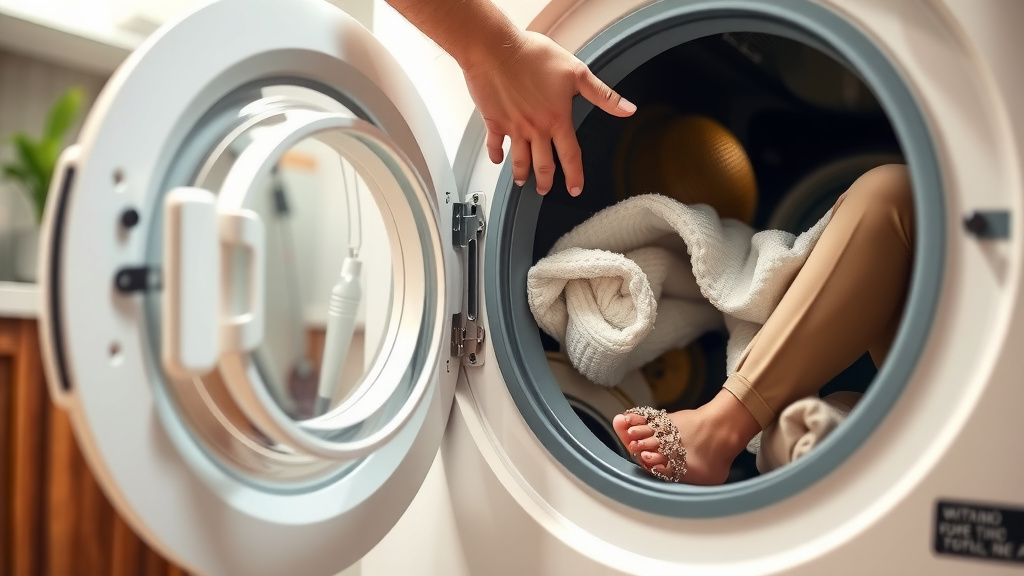
A good rule of thumb is to load items loosely. You should be able to fit your hand vertically between the top of the clothes and the top of the drum. We found that leaving this kind of space ensures adequate movement. Think of it like a fluffy pillow – it needs air to be soft and comfortable. Your laundry needs water and air to get clean.
Even Distribution is Key
Once you have the right amount of clothes, how you place them matters. Don’t just dump everything in a pile. Try to distribute the items evenly around the sides of the drum. This helps maintain balance during the spin cycle. An unbalanced load can cause excessive vibration and noise. It can even lead to the machine shutting down.
Imagine a merry-go-round. If everyone stands on one side, it’s going to tilt and wobble. Your washer drum is similar. Spreading the weight evenly helps it spin smoothly. You can achieve this by simply arranging items around the interior of the drum as you load them.
Mix It Up (Strategically!)
While we talked about sorting, there’s a time and place for mixing certain items. Within your sorted loads, try to balance different types of items. For instance, if you’re washing towels, adding a few smaller items like washcloths can help fill gaps and improve the overall balance. Similarly, if you have a load of mostly small items like socks and underwear, tossing in a larger item like a bath towel can help distribute the weight better.
We found that a mix of larger and smaller items within a load often results in more efficient washing. It helps prevent small items from getting trapped and allows larger items to move more freely. Just remember, this mixing should happen within your pre-sorted categories to avoid color bleeding or fabric damage.
Consider the “Hand Test” for Load Size
After you’ve loaded your clothes, reach into the drum. Can you easily slide your hand in vertically between the clothes and the top of the drum? If yes, you’re likely good to go. If it’s a struggle to get your hand in, you’ve probably overloaded it. This simple visual cue is a reliable way to check your load size. It helps ensure that critical space for tumbling and water circulation.
Don’t Forget the Detergent!
Loading clothes is only half the battle. Adding the correct amount of detergent is just as important. Too much detergent can leave residue on your clothes and in your machine. Too little means your clothes won’t get properly clean. Refer to your detergent’s packaging and your washer’s manual for the right amounts. Most front-loaders use less detergent than older top-loaders.
Many detergent manufacturers now offer pods or pre-measured packets, which take the guesswork out of dosing. These can be a great option for ensuring you use just the right amount every time. We found that using too much detergent can actually create more suds, which can sometimes signal the machine to reduce the water level, leading to less effective rinsing.
Quick Checklist for Perfect Loading
Here’s a handy checklist to keep your loading process smooth and effective:
- Sort clothes by color and fabric type.
- Check all pockets for stray items.
- Zip zippers and fasten buttons.
- Load clothes loosely; don’t overstuff.
- Distribute items evenly around the drum.
- Ensure you can fit your hand vertically above the clothes.
Conclusion
You’ve now got the know-how to load your front-load washer like a pro! Remember, proper loading is about giving your clothes and your machine the space they need to perform best. By sorting your laundry, checking those pockets, and avoiding the temptation to overstuff the drum, you’re setting yourself up for cleaner clothes and a happier washer. Even distribution is your secret weapon for a smooth spin cycle. So, next time you do laundry, give these simple steps a try. Your laundry will thank you!
Frequently Asked Questions
Can I wash my gym clothes with my regular laundry?
We recommend separating heavily soiled gym clothes from your regular items. Sweat and dirt can be tough on other fabrics. Wash them on a dedicated cycle, and always check care labels to ensure they can handle the wash temperature and agitation.
What happens if I overload my front-load washer?
Overloading can lead to poor cleaning performance and is hard on your machine. Clothes won’t have enough room to tumble, preventing proper water and detergent circulation. It can also strain the motor and bearings, potentially shortening the life of your washer.
Should I wash shoes in a front-load washer?
It’s generally best to avoid washing shoes in a front-load washer. The heavy items can damage the drum and the machine’s suspension. If you must wash them, use a mesh bag and wash them with towels to balance the load, but check your washer’s manual first.
How much space should I leave at the top of the drum?
You should be able to comfortably fit your hand vertically between the top of the clothes and the top of the drum. This space allows for adequate tumbling and water circulation, which is key for effective cleaning. If it’s a tight squeeze, your load is likely too full.
Can I mix different types of fabrics in one load if they are the same color?
While sorting by color is important, fabric type also matters. Washing very delicate items with sturdy fabrics like towels, even if they’re the same color, can cause damage to the delicates. It’s best to group items by fabric weight and care needs for optimal results.