How to Measure for Window Air Conditioner
Measuring for a window air conditioner is straightforward when you know what to measure and how. You’ll need to measure the width and height of your window opening. This ensures your new AC unit fits snugly and operates efficiently.
Getting the right measurements prevents headaches later. A unit that’s too large won’t seal properly. One that’s too small might not cool your space effectively. We found that having these dimensions handy makes shopping much easier.
- Measure the window’s width.
- Measure the window’s height.
- Note the depth of the window sill.
- Consider the window type (e.g., double-hung, casement).
Let’s walk through exactly how to get these measurements so you can pick the perfect window AC for your room.
So, you’re ready to tackle the heat and bring some cool relief into your home with a window air conditioner. That’s fantastic! But before you head out to the store or start clicking online, let’s talk about a super important step: getting the right measurements. It might sound like a small thing, but it makes a huge difference in how well your new AC unit works and how easy it is to install. You don’t want to end up with a unit that’s too big to fit or too small to cool your room, right?
Getting Your Window Measurements Spot On
Measuring your window opening correctly is the first and most vital step. It ensures you buy an air conditioner that fits snugly and operates efficiently. We’ve found that a little precision here saves a lot of hassle later.
Understanding What You Need to Measure
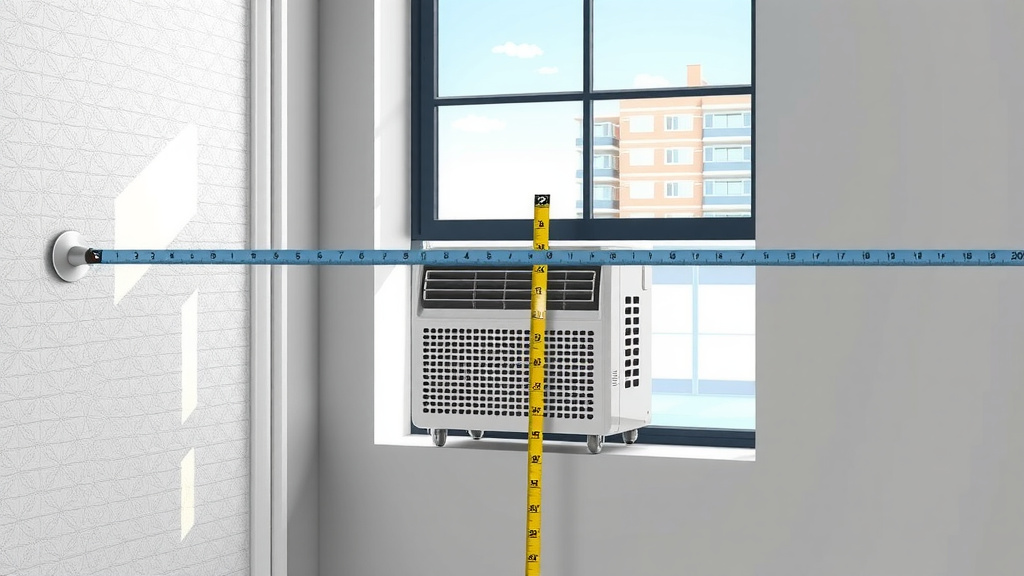
You’ll need three main measurements. These are the width of the window opening, the height of the window opening, and the depth of the window sill. Each measurement plays a role in ensuring a proper fit and seal.
Measuring the Window Width
To measure the width, start on one side of your window opening and measure straight across to the other side. Make sure you are measuring the inside edges of the window frame where the air conditioner will actually sit. We recommend taking this measurement in at least two places to ensure accuracy. Many windows aren’t perfectly square, so getting a couple of readings helps.
Measuring the Window Height
Next, measure the height. Start at the top inside edge of the window frame and measure straight down to the bottom inside edge. Again, take this measurement in two different spots, perhaps on the left and right sides. This ensures you account for any slight variations in the window frame. You want the total vertical space available.
Measuring the Window Sill Depth
The depth of your window sill is also important. This is the horizontal ledge that the air conditioner will rest on. Measure from the inside edge of the window frame out to the very front edge of the sill. This measurement helps determine if the unit will have enough support and if the exterior support brackets will be necessary. A sturdy sill is key for safe installation.
Accounting for Different Window Types
Not all windows are created equal! The type of window you have will affect how you measure and how the AC unit is installed. Most window AC units are designed for double-hung windows, but it’s always good to know what you’re working with.
Double-Hung Windows
These are the most common type for window AC installations. They have two sashes that slide up and down. You’ll be measuring the opening created when the lower sash is raised. The side panels of the AC unit will then extend to meet the sides of the window frame, and the top panel will rest against the raised sash.
Casement and Sliding Windows
If you have a casement window (which cranks open) or a sliding window (which moves horizontally), you’ll need a different approach. These window types usually require special kits or side panels to create a seal. You’ll still measure the opening, but you might also need to measure the width of the opening when it’s fully open to ensure the adapter kit can fit properly.
Before You Measure: A Quick Prep Checklist
To make sure your measurements are as accurate as possible, a little preparation goes a long way. Think of it like getting your ingredients ready before you start cooking. A few simple steps can prevent common measurement errors.
- Clear the area: Remove any curtains, blinds, or window treatments that might get in the way.
- Get the right tools: A reliable tape measure is your best friend here. A stepladder might be necessary for taller windows.
- Understand your window frame: Note if the frame is metal, wood, or vinyl. This might affect installation later.
- Check for obstructions: Look for anything outside the window that might interfere with the AC unit, like a vent or a tight space.
Putting Your Measurements to Good Use
Once you have your width, height, and depth measurements, you’re ready to shop! You can use these numbers to compare different air conditioner models. Most manufacturers provide detailed dimension charts for their units. Look for a unit where the listed dimensions are slightly smaller than your measured opening, allowing a little room for the side panels and insulation to create a good seal.
Many people find that a unit with a width that’s about 1 to 2 inches less than their window opening works best. This allows the expandable side curtains to fill the gap. The height should be a snug fit, usually within half an inch of your measurement. And remember that sill depth – it needs to comfortably support the weight of the unit.
What if My Window is an Unusual Size?
If your window opening is significantly larger or smaller than standard AC unit sizes, don’t despair! There are still options. You might need to look for less common AC sizes or consider using supplemental materials like custom-cut wood or foam board to fill any larger gaps. Many experts suggest consulting with an HVAC professional if your window situation is particularly tricky. They can offer solutions for unusual window configurations.
Don’t Forget About Electrical Outlets!
While you’re measuring, it’s a smart idea to also check the location of the nearest electrical outlet. Window AC units, especially larger ones, need a dedicated circuit. Make sure the outlet is within reach of the unit’s power cord and that it’s a properly grounded outlet. If you’re unsure about your home’s electrical capacity, it’s always best to consult an electrician. Safety first!
Quick Measurement Checklist Summary
Let’s recap the essential steps. Keeping these handy can make your shopping trip a breeze:
- Measure the inside width of your window opening.
- Measure the inside height of your window opening.
- Measure the depth of the window sill.
- Note your window type (double-hung, casement, etc.).
- Check for any outside obstructions.
- Confirm the nearest electrical outlet.
By taking these measurements diligently, you’re setting yourself up for a successful purchase and a comfortable, cool summer. Happy measuring!
Conclusion
You’ve now got the know-how to measure your window opening accurately. Remember, taking precise measurements for width, height, and sill depth is your first step. It ensures a snug fit, efficient cooling, and a hassle-free installation. This simple preparation saves you time and prevents costly mistakes. Now you’re ready to confidently shop for the perfect window air conditioner that will keep your space comfortable all summer long. Go ahead and grab your tape measure!
Frequently Asked Questions
Do I need to measure the outside of the window too?
No, you generally only need to measure the inside dimensions of your window opening. This is where the air conditioner will sit. The outside frame often doesn’t affect the fit of the unit itself.
Can I use a regular tape measure for this?
Yes, a standard retractable tape measure is perfect for this task. Just make sure it’s a reliable one. For taller windows, you might want a longer tape measure to get accurate readings easily.
What if my window measurements are slightly different in a couple of spots?
It’s common for windows not to be perfectly square. Always use the smallest measurement for both width and height. This ensures the AC unit won’t be too loose and allows for a good seal with the side panels.
Are there standard window sizes for AC units?
While there are common window sizes, AC units are designed with adjustable side panels to accommodate a range of openings. Manufacturers provide specific dimension charts for their units, which you should compare against your measurements.
What if my window sill isn’t very deep?
A shallow window sill might require extra support. You may need to use an AC support bracket that attaches to the window frame or wall outside. Ensure the sill can still hold the weight of the unit safely.
![7 Best Portable Wall Air Conditioner [2026]](https://bathroomexplorer.com/wp-content/uploads/2026/06/7-best-portable-wall-air-conditioner-2026-featured-768x432.jpg)
![5 Best Air Conditioners for Van Life [In 2026]](https://bathroomexplorer.com/wp-content/uploads/2025/06/best-air-conditioner-for-van-life.jpg)