Front Loader Operation: Your Step-by-Step Guide
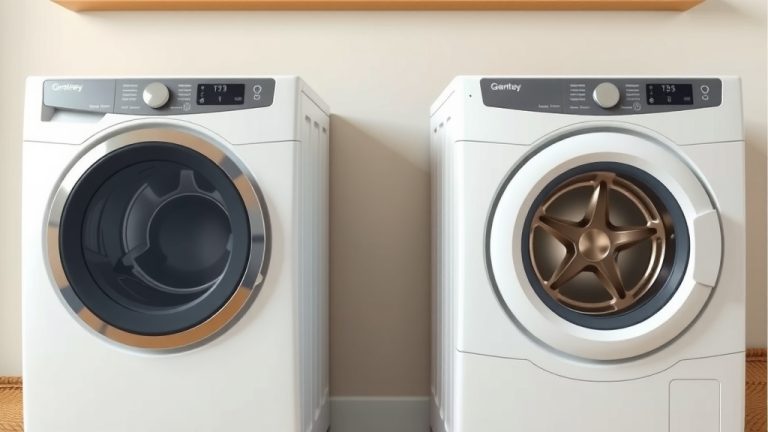
Operating a front-load washing machine is simpler than you might think. You’ll want to sort your laundry by color and fabric type first. Then, select the right wash cycle and add your detergent. Finally, close the door securely and press the start button.
Many people wonder if front loaders use more water than top loaders. Research and findings show that front loaders are actually more energy-efficient. They use less water and detergent, which is better for your wallet and the environment. Understanding your machine’s settings ensures optimal cleaning results.
- Sort clothes by color and fabric.
- Choose the correct wash cycle.
- Add the right amount of detergent.
- Load the machine properly.
- Start the wash cycle.
Let’s walk through exactly how to operate your front loader step by step, so you can get those clothes sparkling clean!
Mastering Your Front Loader: A Simple Guide
Operating a front-load washing machine might seem a little intimidating at first glance, but it’s really quite straightforward. We’ve broken down the process into simple, actionable steps. You’ll be a front-loader pro in no time, getting your clothes cleaner than ever before.
Preparing Your Laundry Load
Before you even think about pressing a button, a little preparation goes a long way. This step is key to preventing laundry mishaps and ensuring your clothes come out looking their best.
Sorting Your Clothes Correctly
This is arguably the most important step. Proper sorting prevents colors from bleeding onto lighter fabrics and protects delicate materials from rougher ones. Think of it like giving each group of clothes the special treatment it deserves.
- Whites: All your whites, from t-shirts to sheets, should be washed together.
- Lights: Light-colored items like pastels, light grays, and beige fabrics go here.
- Darks: This includes blacks, navies, deep browns, and dark grays.
- Brights/Colors: Vibrant colors like reds, blues, and greens should be separated to avoid bleeding.
Checking Fabric Care Labels
Ever accidentally shrunk a favorite sweater? Fabric care labels are your best friend. They provide specific instructions for washing each garment. You’ll usually find them on the inside seam of your clothing. They tell you the best water temperature and cycle to use.
Pre-Treating Stains
For those stubborn spots and tough stains, a little pre-treatment is a lifesaver. Apply a stain remover directly to the affected area before washing. Many experts recommend treating stains as soon as possible for the best results (CDC). Let the pre-treater work its magic for a few minutes before loading your machine.
Loading Your Front-Load Washer
Loading your front loader correctly is vital for effective cleaning and preventing damage to your machine. Unlike top-loaders, you don’t want to overstuff a front loader.
Don’t Overload the Drum
Your front loader needs space for the clothes to tumble and agitate freely. Overloading can lead to clothes not getting properly clean and can strain the machine’s motor. A good rule of thumb is to load the drum about two-thirds full. You should be able to easily fit your hand vertically between the clothes and the top of the drum. Research indicates that adequate space allows for better water circulation and detergent distribution.
Distribute Clothes Evenly
Once you’ve got your load size right, try to distribute the items evenly around the drum. This helps maintain balance during the spin cycle, reducing vibration and noise. It also ensures all items get a fair chance at getting clean.
Selecting the Right Wash Cycle
Modern front-load washers come with a variety of cycles designed for different types of laundry. Choosing the right one means better care for your clothes and more efficient washing.
Understanding Common Cycles
Most machines offer several basic cycles. Here’s a quick rundown:
| Cycle Name | Best For | Notes |
|---|---|---|
| Normal/Cotton | Everyday cottons, linens, towels, jeans | Standard wash and spin for most items. |
| Permanent Press/Synthetics | Polyester, nylon, blended fabrics | Gentler agitation and a slower spin to reduce wrinkles. |
| Delicates/Hand Wash | Lingerie, silks, lace, loosely woven items | Very gentle wash and low spin speed. |
| Heavy Duty | Heavily soiled items, work clothes | Longer wash time and higher agitation. |
| Quick Wash/Speed Wash | Lightly soiled loads, refreshing clothes | Short cycle time, best for small loads. |
Water Temperature Matters
The water temperature setting affects how well your detergent works and how your clothes are treated.
- Hot Water: Best for whites, heavily soiled items, and sanitizing (e.g., bedding, towels). However, it can cause colors to fade and fabrics to shrink.
- Warm Water: Good for moderately soiled items and most synthetics. It balances cleaning power with fabric care.
- Cold Water: Ideal for darks, bright colors, and delicate fabrics to prevent bleeding and shrinkage. Many modern detergents are formulated to work effectively in cold water. We found that using cold water can save a significant amount on your energy bill.
Adding Detergent and Other Additives
Using the right type and amount of detergent is crucial for optimal cleaning without residue. Front loaders use less water, so they also require less detergent.
Choosing Your Detergent
For front-load washers, you should always use HE (High-Efficiency) detergent. These detergents are specifically formulated to create fewer suds. Too many suds can damage your machine and leave residue on your clothes. You can use liquid, powder, or pods. Many experts recommend liquid HE detergents for their ease of use and good performance.
Measuring Detergent Accurately
Using too much detergent is a common mistake. It doesn’t make your clothes cleaner; it can actually cause buildup in your machine and on your clothes. Check the detergent packaging for the recommended amount based on your load size and soil level. Most front loaders have a specific detergent dispenser drawer with compartments for detergent and fabric softener.
When to Use Fabric Softener and Bleach
Fabric softener can be added to its designated compartment in the dispenser drawer. It’s released during the final rinse cycle. Bleach, if needed, also usually has its own compartment. Always use bleach sparingly and follow the instructions on both your machine and the bleach bottle. Many guidelines suggest avoiding fabric softener on towels, as it can reduce their absorbency (Cleveland Clinic).
Starting the Wash Cycle
Once everything is sorted, loaded, and detergent is added, you’re ready to start the wash.
Securing the Door
Make sure the door is closed securely. You’ll often hear a click when it’s properly latched. The machine will not start if the door isn’t completely shut, which is a safety feature to prevent water from escaping.
Pressing Start
Select your desired cycle and temperature. Then, simply press the “Start” or “Power” button. That’s it! Your front loader will take it from there.
After the Wash Cycle
Don’t forget about your laundry once the cycle is finished. Promptly removing clothes is important.
Unloading Promptly
As soon as the cycle is complete, remove your clean laundry. Leaving wet clothes in the washer can lead to mildew and unpleasant odors. You don’t want your freshly cleaned clothes to smell musty!
Leaving the Door Ajar
To help prevent mold and mildew growth inside the drum, leave the door slightly ajar after unloading. This allows air to circulate and the interior to dry out completely. Many people also wipe down the rubber seal around the door with a dry cloth.
Here’s a quick checklist to help you remember the key steps:
- Sort clothes by color and fabric type.
- Check care labels for special instructions.
- Pre-treat tough stains before washing.
- Load drum about two-thirds full, distribute evenly.
- Use HE detergent and measure accurately.
- Select appropriate cycle and temperature.
- Remove clothes promptly after the cycle ends.
Conclusion
You’ve now mastered the essentials of operating your front-load washing machine! By carefully sorting your laundry, loading the drum correctly, and selecting the right cycle and detergent, you’re well on your way to achieving cleaner clothes with less effort. Remember that a little preparation makes a big difference in protecting your garments and extending the life of your machine. Now that you know the steps, go ahead and start your next load with confidence. Your laundry routine just got a whole lot easier!
Frequently Asked Questions
How much detergent should I actually use in a front loader?
It’s a common mistake to use too much HE detergent. Always check the detergent’s packaging for recommended amounts based on load size and soil level. Front loaders use less water, so they need less soap to work effectively. Using too much can lead to residue and machine issues.
Can I wash my shoes in a front-load washer?
Yes, you can often wash shoes in a front loader, but with caution. Place them inside a mesh laundry bag to protect both the shoes and your machine. Use a cold water cycle with a small amount of detergent. Avoid washing delicate or expensive footwear this way.
What’s the best way to get musty smells out of my front loader?
Musty smells usually come from mold or mildew. After each load, leave the door ajar to allow air circulation. Regularly wipe down the rubber door seal with a damp cloth. You can also run a cleaning cycle with hot water and vinegar or a specialized washing machine cleaner.
Is it okay to mix different types of fabrics in my front loader?
While you should sort by color, mixing fabric types can be done if they are on the same wash cycle. For example, you can wash cotton t-shirts with cotton towels if they are similarly colored. However, always keep delicates separate from heavier items like jeans or towels.
My front loader is making a lot of noise during the spin cycle. What should I do?
Excessive noise during the spin cycle often means the load is unbalanced. Try redistributing the clothes evenly inside the drum. If the noise persists, ensure the machine is level on the floor. Overloading the machine can also contribute to vibrations.