Low Maintenance Mattress Buying Guide for 2026
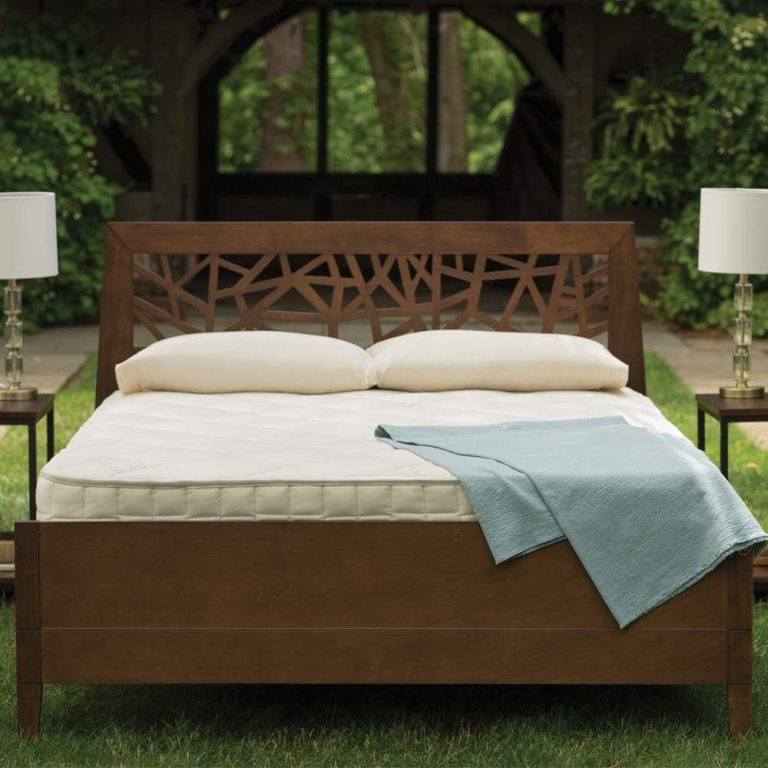
A low maintenance mattress is one that requires little to no upkeep to stay clean, supportive, and comfortable. You want a mattress that handles spills, dust, and daily wear without you working hard to fix it. We found the best options are made with dense foam or innersprings, and they come with removable, washable covers. Focus on materials like memory foam or latex, which naturally resist dust mites and mold. Just flip the mattress every few months and give the cover a quick wash, and you are set.
Beyond just cleaning, a low maintenance mattress also means lasting durability and easy setup. Many modern bedding brands design these beds to be flippable or rotatable, which spreads out wear evenly. This cuts your work in half and keeps the feel consistent for years. You avoid the hassle of special cleaning products or complicated care routines, so your sleep stays simple. That ease is a big reason why more people are switching to these fuss-free designs, especially for busy households.
- What it is: A mattress made to need minimal effort to keep clean and supportive.
- Best materials: High-density foam, latex, and certain innersprings that resist dirt and allergens.
- Key features: Washable covers, flippable designs, and water-resistant layers.
- Simple routine: Just vacuum the surface, spot clean spills, and use a mattress protector.
- Long-term win: These beds hold up well and don’t sag, meaning fewer replacements down the road.
Below, we break down exactly what makes a mattress easy to care for, which types work best for your sleep style, and the simple habits that cut your workload to almost zero. Let’s walk through how to pick the perfect one for your home.
Why Choose a Fuss-Free Bed for Your Home
We found that a simple mattress saves you more than just cleaning time. It also protects your wallet and your sleep quality over the long haul. You avoid the stress of deep cleaning sessions and the worry about permanent stains.
The best part? You do not need to be a cleaning expert. A few simple habits keep your bed feeling fresh and new for years.
The Hidden Costs of High-Maintenance Beds
Some mattresses demand constant attention. Pillow-top models trap dust and sweat, and they often need professional cleaning. That adds up fast in both money and effort.
Many guidelines point to regular cleaning as a way to reduce allergens in your sleep space (Environmental Protection Agency). A low-maintenance design makes this routine almost effortless.
How Care Needs Affect Your Sleep Quality
When you worry about spills or dust, you sleep less soundly. Research shows that a clean sleep environment supports better rest (National Institutes of Health). A mattress that resists dirt helps you relax fully.
You save time each week. That time adds up, giving you more hours for things you actually enjoy.
Key Materials That Cut Cleaning Time
Your mattress material decides how much work you will do. We found that certain foams and natural materials are your best allies. They resist moisture, dust, and the critters that cause allergies.
Think of the mattress like a rain jacket. The right fabric keeps you dry without extra care. The wrong one soaks up everything.
High-Density Memory Foam for Easy Wiping
Memory foam does not have springs or crevices where dust hides. Its dense structure blocks moisture from soaking in. A quick wipe with a damp cloth handles most spills.
We found that closed-cell foam is especially forgiving. It stays firm longer and does not harbor dust mites, a common allergen trigger.
Latex as a Natural Dust Mite Barrier
Latex resists mold and dust mites naturally. That means fewer allergy symptoms and less cleaning work for you. It is breathable, which helps keep the surface dry.
For hot sleepers, latex offers a bonus. It sleeps cooler than memory foam, and the care routine stays just as simple.
Smart Innerspring Designs That Last
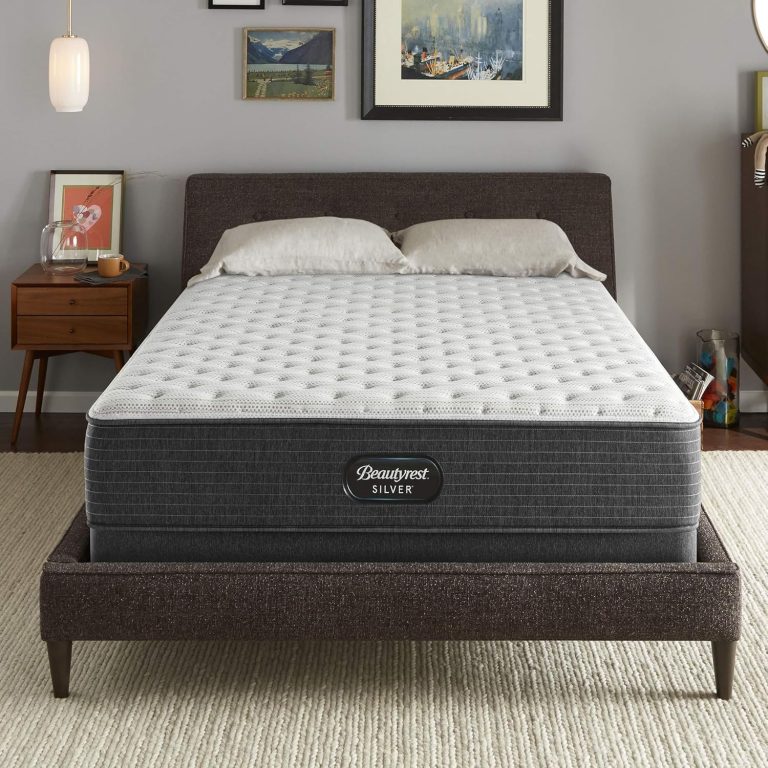
Modern innersprings use sturdy coils and a thick comfort layer. They do not sag as fast as older versions. A flippable design lets you rotate the bed to spread wear evenly.
Pocketed coils make a strong choice. They isolate motion well and handle years of use without much fuss.
| Material | Care Level | Best For |
|---|---|---|
| High-Density Foam | Very Low | Budget-friendly, easy wiping |
| Latex | Very Low | Cool sleepers, allergy relief |
| Innerspring | Low | Flippable, sturdy support |
Features That Make Mattress Care a Breeze
Certain build details turn a good bed into a zero-work bed. Look for removable covers and water-resistant layers. These small features save you big headaches later.
We found that brands focused on simple design often include these smart touches. They know busy families need an easy day-to-day routine.
Removable and Washable Covers
A zippered cover that comes off easily is a lifesaver. You toss it in the washer and it comes out clean. No spot treatments or special sprays needed.
Many covers now use cotton or bamboo blends. These fabrics wash well and dry fast, keeping your bed fresh with minimal effort.
Water-Resistant Barrier Layers
A built-in water-resistant layer stops accidents from reaching the core. You wipe the surface and move on. This is a top feature for homes with kids or pets.
It also protects your mattress investment. A dry core stays supportive and lasts much longer.
Flippable and Rotatable Designs
Some beds are built to flip over, giving you two sides to use. Rotating it head-to-toe spreads wear across the whole surface. This cuts down on sagging and keeps the feel even.
We found that flipping twice a year is plenty. Mark your calendar and you are all set.
Simple Habits to Keep Your Mattress Fresh
You do not need fancy tools or chemical sprays. A few everyday actions make all the difference. And they take just minutes each week.
Think of it like brushing your teeth. Small, regular care prevents bigger problems later.
Your Weekly 5-Minute Routine
- Vacuum the mattress surface with a soft brush attachment once a week.
- Use a washable mattress protector as your first line of defense.
- Spot clean spills right away with a damp cloth and mild soap.
- Let the bed air out with the covers off for an hour when you can.
- Rotate or flip the mattress every three to six months.
- Replace your pillows if they start to smell or lose shape.
Dealing With Spills the Right Way
Accidents happen. When they do, act quickly. Blot the spill with a dry towel, then wipe with a damp cloth.
Avoid soaking the mattress with water. Too much moisture can lead to mold growth. Studies suggest keeping humidity low helps prevent mold and mildew (Centers for Disease Control and Prevention).
Baking soda works wonders for odors. Sprinkle it on, let it sit for 15 minutes, then vacuum it off. That simple trick keeps your bed smelling like new.
How to Choose the Right Low-Effort Bed for You
Start with your sleep style. Side sleepers often prefer softer foam that cushions pressure points. Back sleepers may like firmer support that keeps the spine aligned.
We found that matching your bed to your habits is the best first step. A comfortable sleeper will never need as much maintenance because you will not wrestle with it at night.
Think About Your Home Environment
Do you live in a humid climate? Latex resists moisture better than most foam. Do you have pets that shed? A washable cover becomes essential.
Consider your cleaning schedule. If you hate vacuuming, pick a material that does not gather dust. Choose a cover that you can wash without special care.
Budget vs. Long-Term Savings
A slightly pricier low-maintenance bed saves you replacement costs later. You will not need to buy new mattresses as often. That makes it a smart financial move over ten years.
Check the warranty details. Many quality beds offer ten-year coverage. That promise shows the maker believes in the durability of their product.
What To Avoid in a Mattress
Stay away from thick pillow tops that cannot be removed. They trap dust and are nearly impossible to clean well. Also, avoid cheap foams that break down quickly and need replacing.
We found that simple and sturdy beats fancy every time. A straightforward design with quality materials gives you the least work and the best sleep.
Conclusion
Choosing a low maintenance mattress comes down to smart materials and simple features. You want dense foam, latex, or sturdy innersprings that resist dust and moisture. Removable covers and flippable designs cut your weekly workload down to almost nothing.
Your care routine stays short: vacuum once a week, spot clean spills fast, and rotate the bed every few months. That is all it takes to keep your sleep space fresh and supportive for years. You save money on replacements and skip the expensive professional cleanings.
Start by looking for a bed with a washable cover and a water-resistant layer. Match the firmness to how you sleep. Pick a quality option within your budget, and you will enjoy years of fuss-free rest.
Frequently Asked Questions
How often should I flip a low maintenance mattress?
You only need to flip or rotate your mattress every three to six months. This simple habit spreads wear evenly across the surface. It keeps the support consistent and prevents sagging. Mark it on your calendar and you will not forget.
Is memory foam or latex easier to keep clean?
Both materials are excellent for easy care. Latex naturally blocks dust mites and mold better than most foams. Memory foam is easier to wipe down after spills. We found latex wins for allergy sufferers, while foam wins for budget shoppers.
Do I still need a mattress protector if the cover is washable?
Yes, you should still use a mattress protector. A washable cover is great, but a protector adds a second layer of defense. It catches sweat, oils, and accidents before they reach the cover or core. You can wash the protector more often without wearing out the mattress cover.
Can I use regular soap to clean stains on my mattress?
Mild dish soap diluted in water works well for most stains. Use a small amount and blot gently with a clean cloth. Avoid soaking the mattress, as too much moisture can cause mold. Baking soda helps remove lingering odors after the stain is gone.
How long does a low maintenance mattress usually last?
With proper care, most quality low maintenance mattresses last seven to ten years. High-density foam and latex tend to outlast cheaper innerspring models. Check the warranty before buying, as many brands offer coverage for a full decade. That guarantee signals a durable product.