Best Mattress for Waterbed Frame Types in 2026
You can’t just drop a standard mattress into a waterbed frame. We found that the right mattress depends entirely on which type of waterbed frame you own, because the support system underneath is completely different. The most common types are hard-sided, soft-sided, and frame-conversion kits, and each one requires a specific mattress style to fit and function correctly.
Before you buy anything, measure your frame and check how the current mattress is supported. A soft-sided waterbed needs a special liner and mattress, while a hard-sided one has a rigid wooden rim that needs a precise fit. We’ve also seen that many people convert old waterbeds to use a standard innerspring mattress, which is a totally different path.
- Soft-sided frames require a matching soft-sided waterbed mattress and liner.
- Hard-sided frames need a standard waterbed mattress that fits the exact interior dimensions.
- Conversion kits allow you to use a regular memory foam or innerspring mattress instead.
- Always measure the interior of the frame before buying anything.
- Check for a center support rail, as this affects which mattresses are safe to use.
Below, we break down each frame type and walk you through the exact mattress options that work for your setup. Let’s get your bed sorted out so you can sleep soundly.
Matching a Mattress to Your Waterbed Frame Type
We found that picking the right mattress starts with identifying your frame. Get this wrong, and you could end up with a mattress that sags, bulges, or damages the frame.
Your frame dictates the support system, the mattress shape, and even the safety of your setup. So, let’s figure out what you have before you spend a dime.
Identifying Your Frame: The Three Main Types
You likely have one of three setups. Each one needs a totally different kind of mattress. Take a quick peek under your bed frame to spot the difference.
- Hard-sided frames have a solid wooden rim around the top edge.
- Soft-sided frames have a padded, fabric-covered foam rim that looks like a regular bed.
- Conversion kits turn the old frame into a platform base for a standard mattress.
Why the Frame Matters More Than the Mattress
Think of the frame as the engine and the mattress as the tires. You can’t put racing tires on a tractor engine and expect a smooth ride.
The frame holds the weight and shapes the mattress. A waterbed mattress is basically a heavy, liquid-filled bag. It needs rigid support to keep its shape and prevent leaks. We found that ignoring this leads to premature wear and tear.
Hard-Sided Frames: The Classic Wooden Box
If you have a hard-sided frame, you own a piece of waterbed history. These are the original designs from the 70s and 80s, built like a fortress.
You’ll see a sturdy, square wooden structure. The mattress sits inside the rim, often on a flat wooden base. This is the simplest setup to fix.
The Right Mattress for a Hard-Sided Frame
You need a standard, free-standing waterbed mattress. These come in specific sizes like queen or king, but the critical part is the interior dimensions of your box.
Measure the inside of the frame from edge to edge. The mattress must fit snugly without bunching. A loose fit causes wrinkles and weak spots that can leak over time.
Getting the Fit and Size Right
Most hard-sided frames use standard sizes. But we found that “standard” can vary by a few inches between brands. Always measure first.
Look for a mattress with a good warranty. A quality 20-mil vinyl mattress is a safe bet. It offers durability without being too stiff to move around.
Setting Up the Safety Liner
You cannot skip the liner. It’s a thin vinyl barrier that sits between the mattress and the frame. Its only job is to catch water if your mattress springs a leak.
Place the liner inside the frame, over the base, and drape it over the edges. It should be smooth and free of folds. This step protects your floor and your home from water damage.
Soft-Sided Frames: The Modern Upgrade
Soft-sided frames look like a normal bed from the outside. They have a padded, upholstered rim. This hides the water core and makes getting in and out easier.
Inside, they have a wooden base and a built-in foam frame. This foam rim supports the sides of the mattress. You cannot use a regular waterbed mattress here.
Why Soft-Sided Mattresses Are Unique
The mattress for this frame has a zipper or sleeve on the outside. This fabric cover attaches to the foam rim of the frame. It keeps the water core perfectly centered and supported.
We found that buying a “soft-sided” mattress is mandatory. A hard-sided mattress will bulge and push against the fabric, causing damage to the frame’s foam over time.
Matching the Mattress to the Liner
Soft-sided systems require a specific liner that fits the frame’s interior. This liner is placed inside the foam rim before the mattress goes in.
Check the manufacturer’s instructions for the exact liner type. Using the wrong one can lead to poor fit and reduced safety against leaks. It’s a system built to work together.
Replacement and Fit Considerations
When you shop for a replacement, search for “soft-sided waterbed mattress replacement.” Make sure it matches your bed’s brand and size if possible.
These mattresses are heavier to handle because of the built-in fabric. Get a friend to help you lift it into place. This prevents twisting the vinyl and causing creases.
Conversion Kits: Switching to a Standard Mattress
Many people ditch the water entirely. We found that a conversion kit is the best way to use a normal mattress on an old waterbed frame. It’s a smart way to keep a quality wooden frame.
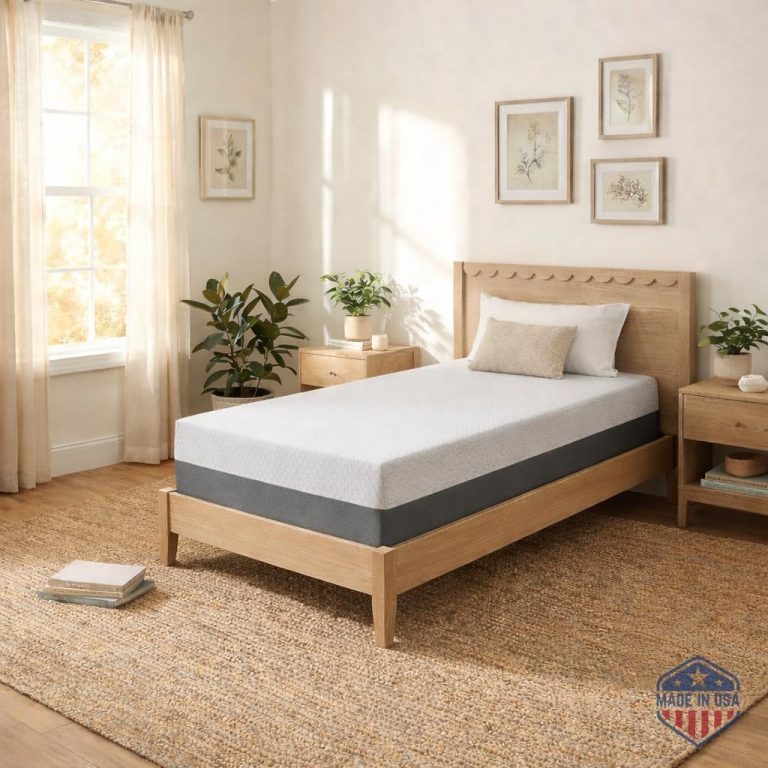
These kits usually include a metal or wooden grid and a solid top. They replace the water bladder and turn your frame into a platform base.
What Kind of Mattress Works on a Converted Frame?
Once the kit is installed, you have a solid, flat surface. This means you can use almost any standard mattress. You are no longer limited to waterbed-specific products.
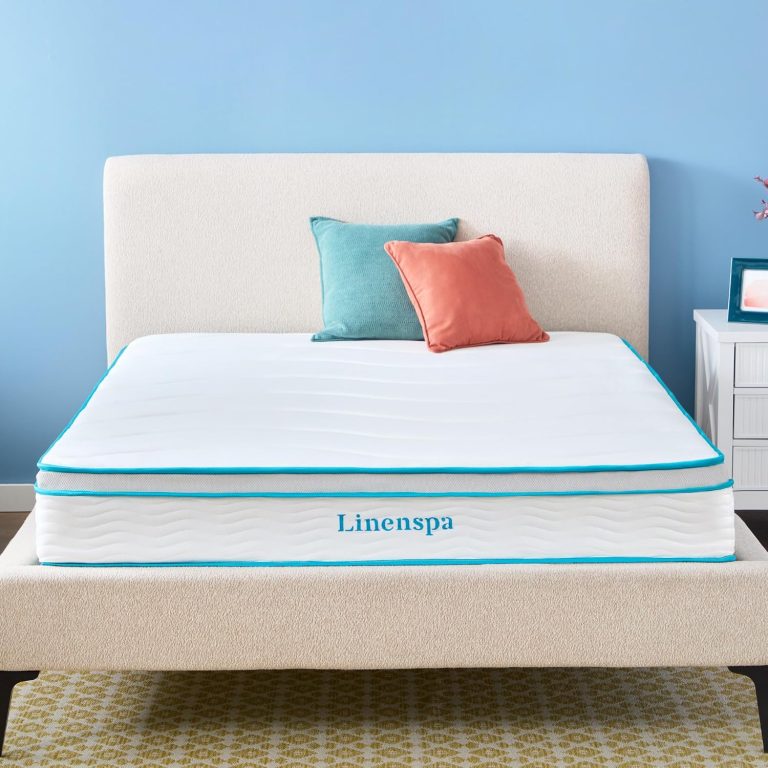
Innerspring and memory foam mattresses are the top choices. They work well with the firm support of the conversion kit. Just ensure the kit is level and secure.
Measuring for Your New Standard Mattress
Your frame still has its original exterior size. A standard queen or king mattress will usually sit perfectly on top of the converted frame.
Measure the width and length of the frame’s top. Standard mattresses are designed to fit these dimensions. You might need a box spring or bunkie board if the kit leaves gaps.
Pros and Cons of Converting
Converting your frame gives you more mattress choices. You can pick a modern hybrid or a simple foam bed. This is often the cheapest way to modernize your sleep setup.
However, you lose the “floating” feel of a waterbed. Some people miss that unique sensation. We found that most people prefer the convenience of a regular mattress over the nostalgic feel.
Key Factors Before You Buy Any Mattress
No matter your frame type, a few rules apply to every purchase. Checking these saves you from a major headache later on. Let’s look at the most important ones.
Measure the Interior, Not the Exterior
For hard-sided frames, the interior is what counts. For soft-sided frames, check the liner size. For converted frames, measure the top surface area.
Grab a tape measure and write the numbers down. Compare them to the mattress specs. A few inches can make a big difference in fit and safety.
Check the Weight Capacity of Your Floor
Water is heavy. A king-sized waterbed can weigh over 1,500 pounds when filled. That’s a lot of stress on your floor joists.
If you live in an older home or an apartment, consider a conversion kit. A standard mattress is significantly lighter. This reduces the risk of structural damage to your home.
Understanding the Center Support Rail
Many larger frames have a center support that runs down the middle. This is great for waterbeds, but it can be an issue for standard mattresses.
If you convert the frame, this rail needs to be flush with the outer edges. If it’s too tall, it will create a hard ridge. Too short, and it offers no support, leading to a saggy middle.
Step-by-Step Selection Checklist
You’re almost ready to order. Use this quick checklist to make sure you grab the correct product the first time. We use this exact process when helping friends pick out new mattresses.
- Confirm the frame type: Hard-sided, soft-sided, or converted to a platform.
- Measure the interior space: Write down the exact length, width, and depth in inches.
- Check the current liner: Is it in good shape? Can you reuse it, or do you need a new one?
- Decide on water vs. dry: Do you want to keep the waterbed feel or switch to a standard mattress?
- Verify the center support: Ensure it’s level and will support the new mattress type.
- Compare your measurements: Check them against the mattress manufacturer’s spec sheet before purchasing.
Common Mistakes to Avoid
We see a few errors pop up time and time again. Avoiding these will save you time and money. Keep an eye out for these pitfalls.
The biggest one is assuming all “queen” mattresses are the same size. Waterbed queens are often the same width but can be longer than standard queens. This is a classic mix-up that causes returns.
Mixing Hard and Soft Components
You cannot put a soft-sided mattress in a hard-sided frame. The soft-sided version needs the foam rim to attach to. It will not have the structural support to stand alone.
Conversely, a hard-sided mattress in a soft-sided frame will bow outwards. This puts stress on the zipper and the frame. It’s a recipe for leaks and frame damage.
Ignoring the Weight of Water
If you keep your waterbed, always use the safety liner. Many people skip this to save money. We found that this is the single most expensive mistake you can make.
A pinhole leak without a liner means water on your floor. This can ruin carpets and warp wooden subfloors. The liner is cheap insurance against a costly disaster.
Quick Reference Comparison Table
Here’s a simple breakdown of what we’ve covered. Use this table as a cheat sheet when you are shopping online or in a store.
| Frame Type | Required Mattress Type | Key Consideration |
|---|---|---|
| Hard-Sided | Standard Waterbed Mattress | Must fit interior dimensions exactly. |
| Soft-Sided | Soft-Sided Waterbed Mattress | Needs matching liner and foam rim attachment. |
| Converted Frame | Standard Innerspring or Foam | Requires a level conversion kit surface. |
Final Checks Before You Order
You’ve got the knowledge. Now it’s time to act. Take a deep breath and review your notes one more time.
Double-check the return policy on the mattress. Waterbed mattresses are often custom orders. Many stores won’t accept returns if the item has been filled with water.
We recommend buying from a retailer that specializes in waterbed products. They understand the nuances of these systems. Their customer service can help you verify your frame type before you commit to a purchase.
Reach out to them with your measurements. A quick phone call can prevent a week of frustration. They can confirm if the mattress you like is the right fit for your specific frame setup.
Conclusion
Matching your mattress to your waterbed frame is all about knowing what you have. You need to identify the frame type first and measure the interior space before buying anything. A hard-sided frame needs a standard waterbed mattress with a safety liner. A soft-sided frame requires its matching mattress and liner. A converted frame opens the door to any standard mattress you like.
You can handle this. Grab a tape measure and check your frame right now. Write down the dimensions and look at the rim to confirm the type. Then use our checklist to order the right mattress with total confidence. You will get a comfortable, leak-free bed that lasts.
Frequently Asked Questions
Can I use a regular mattress on a waterbed frame without a conversion kit?
No, you cannot safely place a regular mattress directly on a waterbed frame. The frame lacks the flat, solid support surface a standard mattress needs. Without a conversion kit, the mattress will sag into the cavity and become unusable.
A conversion kit is the only safe way to make this work. It adds a solid base and turns your old frame into a platform bed.
How do I know if my waterbed frame is hard-sided or soft-sided?
Look at the outer rim of the bed frame. A hard-sided frame has a visible, rigid wooden border around the top edge. A soft-sided frame looks like a normal bed with a padded, fabric-covered exterior.
Run your hand along the edge. You will feel hard wood or soft foam. This quick touch test is the easiest way to tell them apart.
Is it worth converting my waterbed frame to use a regular mattress?
Yes, for most people, converting is worth it. You get access to modern mattress options like memory foam and hybrids. You also remove the risk of water damage from leaks and drastically reduce the overall weight on your floor.
We found that the only downside is losing the unique waterbed feel. If you prefer a standard sleeping surface, conversion is a smart and affordable upgrade.
How much weight can a waterbed frame hold after it is converted?
Most original waterbed frames are built with heavy-duty wood and can easily support a standard mattress. The frame was designed to hold over a thousand pounds of water, so a regular mattress is no problem.
You should still inspect the frame for rot or damage before converting. A frame in good condition will handle a new mattress just fine.
Do I need a new liner when I replace my waterbed mattress?
It is a good idea to replace the liner when you get a new waterbed mattress. Old liners can develop tiny cracks or weak spots over time. A fresh liner provides reliable protection against future leaks.
Check the condition of your current liner first. If it looks brittle, cracked, or has any wrinkles that won’t smooth out, invest in a new one. It is cheap insurance for your floor.