Innerspring vs Hybrid Mattress: Key Differences
Between an innerspring and a hybrid mattress, the hybrid is usually the better choice for most sleepers. We found that a hybrid gives you the support of coils with a softer, pressure-relieving top layer. If you want that classic bounce but need more comfort, a hybrid is the winner.
Both mattresses use metal coils for support, but that is where the similarities end. The main difference comes down to the comfort layers sitting on top of those coils. Innersprings use a thin foam pad, while hybrids pile on thick layers of memory foam or latex for a plusher feel.
- The quick answer: A hybrid is better for most people because it balances support and comfort.
- Innersprings are firmer and cooler but offer less pressure relief for your hips and shoulders.
- Hybrids cost more but last longer and suit side sleepers best.
- Back and stomach sleepers might prefer the firmer, more responsive feel of an innerspring.
- Your weight matters: heavier folks often find hybrids more supportive and durable.
Below, we break down the real differences between these two mattress types so you can pick the right one for your body and your sleep style.
Innerspring vs Hybrid Mattress: What Actually Changes Your Sleep
You already know both mattresses have coils. The real difference sits right on top. That thin layer of foam versus a thick slab of comfort material changes everything about how your body feels by morning.
We found that the coil count matters too, but the comfort layer drives most of the experience. Innersprings feel bouncy and firm. Hybrids feel cushioned and quiet. That single difference guides your decision.
The Anatomy of an Innerspring Mattress
An innerspring is the classic mattress. Steel coils form the core, and a thin foam pad wraps the top. That pad is usually less than two inches thick. It exists to keep the coils from poking you, not to contour your body.
You get a firm, responsive surface. When you roll over, the mattress springs right back. There is minimal sinkage, so you stay on top of the bed rather than in it.
What Innersprings Do Really Well
- They sleep noticeably cooler because air flows freely through the coils.
- They cost less upfront than almost any other mattress type.
- They offer plenty of bounce, which makes moving around easier.
- They give solid support for back and stomach sleepers who need a flat surface.
That bounce does come with a trade-off. You feel your partner move on the other side. Some people love that energy, others find it disruptive.
Where Innersprings Fall Short
The thin comfort layer does little for pressure points. Your hips and shoulders take the brunt of your body weight. Side sleepers often wake up with numb arms or sore joints because of this.
We found that wear and tear happens faster too. The foam pad compresses quickly, and coils can lose their shape in five to seven years. You get what you pay for in longevity.
Hybrid Mattresses: The Best of Both Worlds
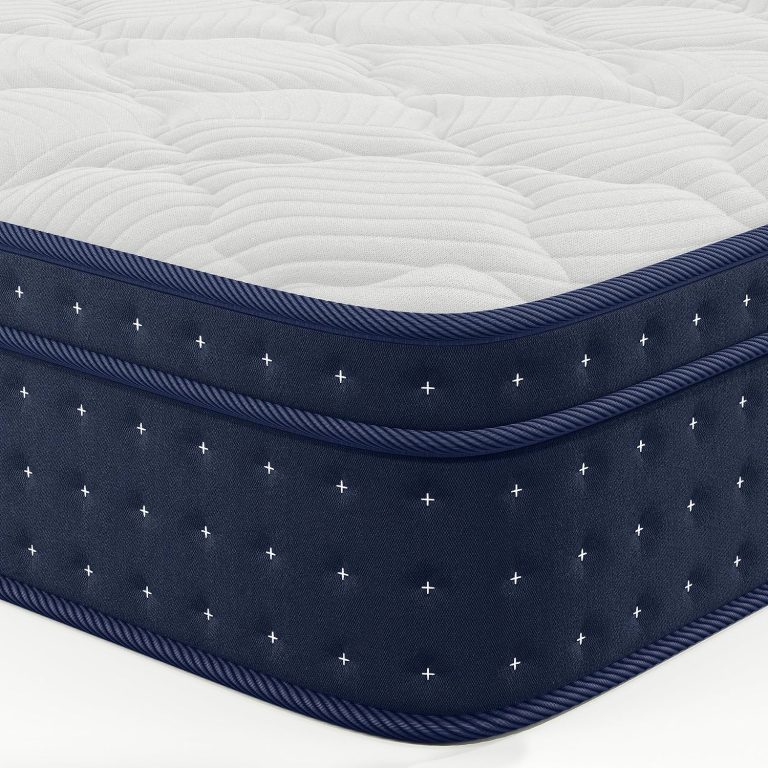
A hybrid takes those same steel coils and stacks them under two to four inches of memory foam, latex, or polyfoam. You still get coil support, but your body gets a soft landing zone. It is like putting a plush mattress topper on a sturdy spring base, except it is built correctly from the start.
Most sleepers find hybrids immediately more comfortable. The foam layer relieves pressure at your heaviest points while the coils prevent that sinking feeling you get from all-foam beds.
The Comfort Layer Does the Heavy Lifting
That thick top layer is the star of the show. Memory foam molds to your curves. Latex offers a bouncier, more responsive cushion. Polyfoam sits somewhere in between, balancing support and softness.
For side sleepers, this is the game changer. Your shoulders and hips press deepest into the mattress. The extra foam lets them sink just enough to keep your spine in a straight line. We found that this significantly reduces morning aches (Cleveland Clinic).
Coil Quality Makes or Breaks a Hybrid
Not all hybrids are created equal. The coil layer matters just as much as the foam. Look for individually wrapped coils. These move independently, which keeps motion from traveling across the bed.
Higher coil counts typically mean better support. It also means the bed holds up longer under repeated use. Cheaper hybrids cut corners here, and you will feel it after a year or two.
Comfort Comparison: Which One Feels Better?
Comfort is subjective, but we can break down what to expect. Innersprings feel like a firm hotel bed. You lie on top of the surface. Hybrids feel more like sinking into a thick pillow while still getting support underneath.
If you like that classic, old-school firmness, an innerspring will feel familiar. If you want plush comfort without losing support, the hybrid wins every time.
Motion Transfer and Nighttime Disturbance
Sleeping with a partner? Then this matters. Innersprings transfer motion easily. The interconnected coils act like a ripple effect. One person rolls over, and the whole bed shakes.
Hybrids use individually wrapped coils that move independently. The foam layer also absorbs motion before it travels. We found that couples report fewer disturbances on hybrids (NIH research on sleep quality).
Temperature Regulation: Cool Sleepers Unite
Innersprings are the coolest sleeping option. Air circulates freely through the open coil structure. No heat-trapping foam holds your body warmth.
Hybrids run warmer because foam traps heat. But you can find hybrids with gel-infused foam or breathable covers that pull heat away from your body. Look for these features if you sleep hot.
Support and Spinal Alignment by Sleep Position
Your sleep position decides which mattress wins. There is no universal answer. Your body mechanics matter most.
Side Sleepers Need the Hybrid
Side sleeping puts the most pressure on your hips and shoulders. Those points need cushioning. A hybrid gives you that plush comfort layer to cradle your curves.
We found that side sleepers on innersprings often wake up with tingling arms. The firm surface presses on nerves. Hybrids distribute weight more evenly, which keeps blood flowing properly.
Back and Stomach Sleepers Can Choose Either
Back and stomach sleepers need a firmer surface to keep the spine aligned. Too much sinkage makes the hips dip and the lower back arch. Innersprings provide that flat, firm surface.
That said, a medium-firm hybrid works well too. The key is picking a mattress that does not let your hips sink too deep. Many experts say medium-firm is the sweet spot for these positions (Mayo Clinic).
| Feature | Innerspring | Hybrid |
|---|---|---|
| Comfort layer | Thin foam pad (under 2″) | Thick foam or latex (2-4″) |
| Feel | Firm, bouncy, on-top feel | Plush, cushioned, slight sink |
| Pressure relief | Minimal | Excellent |
| Temperature | Coolest option | Warmer, varies by materials |
| Motion transfer | High | Low |
| Price range | Lower | Higher |
| Durability | 5-7 years | 8-10 years |
| Best for | Back/stomach sleepers, hot sleepers | Side sleepers, couples |
Your Body Weight Changes the Equation
Weight plays a bigger role than you might think. The heavier you are, the more support you need. A thin innerspring pad compresses fully under heavier bodies, leaving you lying directly on coils.
Heavier sleepers often find that hybrids hold up better. The thick foam layer distributes weight while the reinforced coils prevent sagging. We found that this combination provides better support for people over 200 pounds.
Lighter sleepers, under 150 pounds, may not press deep enough to feel the contouring of a hybrid. An innerspring gives them that responsive bounce they might prefer. Your unique body composition should drive your choice.
Budget and Value: The Cost Per Year Matter
Innersprings cost less at the register. You can find quality ones for a few hundred dollars. But they wear out faster. Spending less now often means replacing sooner.
Hybrids cost more, sometimes double. That price buys you better materials and longer lifespan. Spread over ten years, the hybrid often works out as the better value. You pay more upfront, but you pay less per year of good sleep.
Check Your Priorities With This Quick List
- Sleep on your side? You need the pressure relief of a hybrid.
- Sleep hot at night? An innerspring keeps you cooler.
- Share the bed? Hybrids minimize motion transfer.
- On a tight budget? Innerspring gets you started for less.
- Want it to last a decade? Put your money toward a quality hybrid.
- Prefer a firm, bouncy feel? Innerspring matches that preference.
The Bottom Line on Coils and Comfort
We found that most sleepers do better with a hybrid. The comfort layer makes a real difference in how your body feels overnight. Pressure relief, motion isolation, and durability all favor the hybrid.
Choose an innerspring if you sleep hot, prefer firmness, or want to save money. Choose a hybrid if you want plush comfort, sleep on your side, or need the mattress to last longer.
Both options give you the coil support your spine needs. The hybrid just makes that support feel a whole lot better for most people.
Conclusion
You now know the real difference between these two beds. It comes down to that comfort layer sitting on the coils. We found that the hybrid gives you pressure relief and support, while the innerspring stays firm and cool.
Most sleepers will sleep better on a hybrid. You get that cushioned feel without losing the coil support your spine needs. The extra cost pays off in durability and comfort over time.
Your next step is simple. Think about your sleep position and whether you run hot at night. If you are a side sleeper or share a bed, go hybrid. If you want a cool, firm, budget-friendly bed, stick with an innerspring. Pick the one that matches your body, not the trend.
Frequently Asked Questions
Can you flip an innerspring or hybrid mattress?
Most modern mattresses are not flippable. They are built with a specific comfort layer on top and a support core below. You can rotate them head-to-toe to even out wear, but flipping them puts the wrong side up.
How long does it take to break in a new hybrid mattress?
Most hybrids take about 30 days to fully break in. The foam layers soften and conform to your body during this time. You might find it feels firmer at first, so give your body time to adjust before judging the comfort level.
Are hybrid mattresses too soft for heavy people?
Not if you choose the right one. Look for a hybrid with reinforced coils and a firm comfort layer. We found that heavier sleepers often do better on hybrids than innersprings because the thick foam prevents pressure points while the coils hold up weight.
Why do innerspring mattresses squeak after a few years?
The interconnected coils rub against each other as the mattress ages. This friction creates that familiar squeaking sound. Hybrids use individually wrapped coils that move independently, so they stay quieter for much longer.
Do you need a box spring with a hybrid mattress?
No, most hybrids work fine on a solid platform base or adjustable frame. A box spring is really only needed for traditional innersprings. Check your mattress warranty for the exact foundation requirements before you buy.