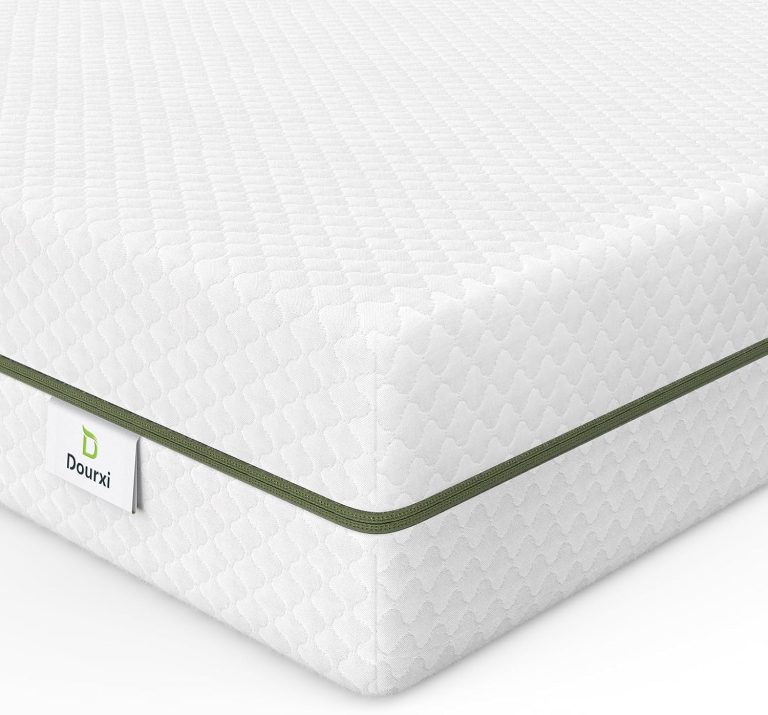
The Ultimate Mattress Maintenance Plan for Longevity
A mattress maintenance plan is simply a regular schedule of cleaning, rotating, and protecting your bed to extend its lifespan. You do not need to be a professional cleaner to keep your mattress in great shape for years. By following a few simple steps each season, you can protect your sleep surface and your investment.
We found that most people forget about their mattress until something goes wrong, like a stain or a sag. But a good plan is about prevention, not just fixing problems. A well-maintained mattress supports better sleep, reduces allergens, and helps you avoid the high cost of replacing your bed too early.
- Rotate your mattress every 3 months to prevent sagging and uneven wear.
- Vacuum the surface monthly to remove dust mites, dead skin, and allergens.
- Spot clean stains immediately with mild soap and water to prevent permanent marks.
- Use a waterproof mattress protector to guard against spills, sweat, and accidents.
- Air out your mattress and bedding weekly to keep it fresh and dry.
Below, we break down everything you need to know about building a simple mattress maintenance plan that fits your routine. Let’s walk through the easy steps to keep your bed feeling like new for years to come.
Building a Simple Mattress Care Routine That Works
You don’t need a fancy schedule or expensive products to keep your mattress healthy. We found that the best mattress care routine is simple, consistent, and easy to remember. Think of it like brushing your teeth. You do it a little bit every day, and you avoid big problems later.
Your mattress works hard every single night. It supports your body, absorbs sweat, and collects dust. Over time, all that buildup can make your bed feel less comfortable. A regular routine helps you sleep better and avoids costly replacements. Research from the National Institutes of Health links a clean sleep environment to better overall sleep quality.
Why a Regular Schedule Matters More Than You Think
Most people never clean their mattress until they spill coffee on it. By then, the damage is already done. Stains set in, odors linger, and allergens build up. We found that taking small actions on a schedule prevents these issues from ever starting.
Your body sheds dead skin cells and sweats every night. This creates a perfect home for dust mites and bacteria. Regular cleaning keeps those tiny pests away. Plus, a clean mattress simply feels better. You sleep deeper when you know your bed is fresh.
The Hidden Cost of Skipping Mattress Care
Here is the honest truth. A cheap mattress costs around 300 dollars. A good one can run over 1,500 dollars. Without care, even a high-end mattress can sag and dip within a few years. You would never buy a car and skip the oil changes. Your bed deserves the same respect.
Many experts say that a well-maintained mattress can last 8 to 10 years. A neglected one might only last 3 to 5 years. That difference is real money out of your pocket. A simple routine saves you cash in the long run.
Step-by-Step Guide to Protecting Your Sleep Surface
Let’s get practical. You want to know exactly what to do and when to do it. We broke down the process into four easy sections. Each one focuses on a different part of mattress upkeep. Follow these steps, and your bed will thank you.
Rotating and Flipping Your Mattress the Right Way
Rotation is the single most important thing you can do for your mattress. We found that turning your mattress every 3 months prevents sagging and uneven wear. Your body weight presses the same spots every night. Rotation spreads that pressure around.
Most modern mattresses are one-sided, so you only rotate them 180 degrees. That means the head goes to the foot and the foot goes to the head. If your mattress is double-sided, you also flip it over. Check the label on your mattress. The manufacturer knows best.
How to Remember Your Rotation Schedule
Life is busy, and you will forget. Trust us. That is why we recommend linking rotation to a holiday or season. Rotate when daylight saving time starts and ends. Or do it on the first day of each season. You can even set a reminder on your phone for the first of March, June, September, and December.
Getting a partner to help makes the job faster and safer. A mattress is heavy and awkward. Two people can manage the lift without straining their backs. If you live alone, slide the mattress along the box spring instead of lifting it. Your back will thank you in the morning.
Vacuuming Techniques to Remove Dust and Allergens
Dust mites are the biggest threat to your mattress. These microscopic creatures feed on dead skin cells. They love warm, dark, and humid places. Your bed is their five-star hotel. The Centers for Disease Control and Prevention notes that regular vacuuming reduces allergen buildup in bedding.
You should vacuum your mattress at least once a month. Use the upholstery attachment on your vacuum cleaner. Go over the entire surface slowly. Pay extra attention to seams and edges. That is where dust and debris collect the most.
Here is a pro tip we found useful. Sprinkle a light layer of baking soda on the mattress after vacuuming. Let it sit for 15 to 30 minutes. Then vacuum it off again. Baking soda absorbs odors and excess moisture. It is cheap, natural, and effective.
Choosing the Right Vacuum Attachments
- Soft brush attachment for the main surface without damaging fabric.
- Crevice tool for the edges, seams, and corners.
- Handheld vacuum for quick touch-ups between deep cleanings.
- HEPA filter vacuum to trap fine dust particles and allergens.
A HEPA filter makes a big difference. Regular vacuums blow fine particles right back into the air. A HEPA filter catches them and keeps your breathing air clean. This matters most for people with allergies or asthma.
Immediate Stain Removal and Spot Cleaning Methods
Stains happen. Coffee spills, pets jump on the bed, kids have accidents. The key is to act fast. We found that fresh stains come out easily. Dried stains set in and become nearly impossible to remove. Speed is your best friend here.
Do not use hot water on a fresh stain. Heat sets the protein in sweat, blood, and urine. Use cold water instead. Blot the area with a clean cloth. Do not rub. Rubbing pushes the stain deeper into the foam or fibers.
Mix a small amount of mild dish soap with cold water. Dip a cloth in the mixture and blot the stain. Work from the outside edge toward the center. This prevents the stain from spreading. Rinse with a damp cloth and blot dry. For a step-by-step walkthrough of the full cleaning process, check out our instructions for how to clean your mattress.
Natural Cleaners That Work Without Harsh Chemicals
We found that baking soda and vinegar handle most household stains. For urine or vomit, sprinkle baking soda over the area. Spray a mix of 50 percent water and 50 percent white vinegar on top. Let it bubble and sit until dry. Then vacuum the residue.
Hydrogen peroxide works wonders on blood stains and yellowing. Test it on a small hidden spot first. Some fabrics can fade or discolor. Dilute one part peroxide with two parts water for a safer solution. Blot, don’t soak, to protect the mattress interior.
What to Avoid When Cleaning Your Mattress
Do not use bleach. Do not use ammonia. Do not soak the mattress in liquid. A wet mattress can grow mold and mildew inside the layers. Once mold sets in, the mattress is ruined. You cannot save it. Being gentle now saves you money later.
Always let the mattress dry completely before putting sheets back on. Open a window or run a fan. You can also sprinkle baking soda on the damp spot to draw out moisture. Leave it overnight and vacuum in the morning.
Airflow and Freshness Tips for a Cleaner Bed
Your mattress needs to breathe. When you sleep, your body releases moisture through sweat. Even a small amount adds up over time. That trapped moisture creates odors and helps bacteria grow. We found that simple airflow stops this cycle.
Strip your sheets once a week and let the mattress air out. Even 15 minutes helps. Pull back the blankets and open a window. The fresh air dries out any moisture and freshens the fabric. You will notice the difference the next time you climb into bed.
Natural sunlight also kills bacteria and dust mites. If you can, move the mattress near a sunny window for a few hours. The ultraviolet rays do the heavy lifting for you. This is a free and chemical-free way to sanitize your bed.
Seasonal Deep Cleaning Checklist
Every three months, give your mattress a thorough once-over. This is not the same as your weekly chores. This is a deeper dive into the fibers and seams. We put together a simple checklist so you never skip a step.
- Strip all bedding and wash everything in hot water.
- Vacuum the entire mattress surface and seams.
- Spot clean any stains you find with mild soap and water.
- Sprinkle baking soda and let it sit for 30 minutes.
- Vacuum the baking soda and air out the mattress for an hour.
- Rotate the mattress and check for any sagging or damage.
This checklist takes about 30 minutes total. Most of the time is waiting for the baking soda to work. Put on some music or catch up on a podcast. Before you know it, your mattress is clean and ready for another season.
Using a Mattress Protector as Your First Line of Defense
Here is the easiest tip we can give you. Buy a good mattress protector. This one purchase saves you hours of cleaning later. We found that a waterproof protector blocks spills, sweat, dust mites, and dead skin from reaching the mattress itself.
Think of it as a phone screen protector. The phone itself is fine without it. But one drop and you are out 200 dollars. A mattress protector is cheap insurance. You can find quality options for under 40 dollars. That is a small price for total peace of mind.
Look for a protector that is waterproof but breathable. Some cheap plastic covers trap heat and make you sweat at night. The best protectors use a thin polyurethane layer that blocks liquid but lets air pass through. You will not even notice it is there.
Choosing Between Different Mattress Protector Options
| Type of Protector | Best For | Drawback |
|---|---|---|
| Waterproof vinyl | Kids and pets | Can feel hot and noisy |
| Cotton blend | Everyday comfort | Less waterproof protection |
| Bamboo or cooling | Hot sleepers | Higher price point |
| Zippered encasement | Allergen protection | Wash tricky to remove |
We found that a zippered encasement offers the best total protection. It covers the top, sides, and bottom of the mattress. This stops bed bugs and allergens from getting in anywhere. It costs a bit more, but the protection is complete.
How Often to Wash Your Mattress Protector
Wash your protector every 1 to 2 months. Toss it in the washer with warm water and regular detergent. Air dry or tumble dry on low heat. Always check the care label first. Some waterproof layers do not survive high heat in the dryer.
Having a spare protector makes cleaning easier. Swap out the used one and wash it when you have time. No rush, no pressure. Your mattress stays protected 24 hours a day without any extra effort from you. That is the whole goal of a good maintenance plan.
Conclusion
Your mattress works hard every night, and a simple maintenance plan keeps it working well for years. Consistency beats intensity. A quick vacuum here, a rotation there, and a good protector make the biggest difference. The goal isn’t perfection. It’s prevention.
You already know the steps. Rotate every three months, vacuum monthly, and blot stains right away. Protect your bed with a quality cover and let it air out weekly. These tiny habits add up to real savings and better sleep.
Start small. Pick one habit from this guide and do it this week. You will feel the difference, and your wallet will thank you down the road. Your best sleep is ahead of you.
Frequently Asked Questions
How long should a mattress last with proper maintenance?
With regular care, most quality mattresses last 8 to 10 years. Skipping maintenance can cut that down to just 3 to 5 years. Rotating, cleaning, and protecting your mattress on schedule makes a real difference in its lifespan.
Can you over-rotate a mattress?
No, you cannot hurt a mattress by rotating it too often. Rotating every 3 months is plenty. If you want to do it more often, that is fine. Just avoid flipping a one-sided mattress over. Check the label for the manufacturer’s instructions.
Is baking soda safe for all mattress types?
Yes, baking soda is safe for memory foam, latex, innerspring, and hybrid mattresses. It is gentle and non-abrasive. Just let it sit for 15 to 30 minutes and vacuum it up completely. This helps remove odors and excess moisture without damaging the materials.
How do you get the musty smell out of a mattress?
Start by stripping the bedding and letting the mattress air out near an open window. Sprinkle baking soda over the entire surface, wait 30 minutes, and vacuum. For stubborn odors, use a mix of equal parts water and white vinegar in a spray bottle. Mist lightly, let it dry, and repeat if needed.
Should you clean a new mattress before using it?
It is smart to vacuum a new mattress before putting on sheets. This removes dust from packaging and handling. Air it out for a few hours to release any off-gassing smells. Then add a mattress protector to keep it clean from day one.