How to Use a Mattress Trial: The Complete Guide
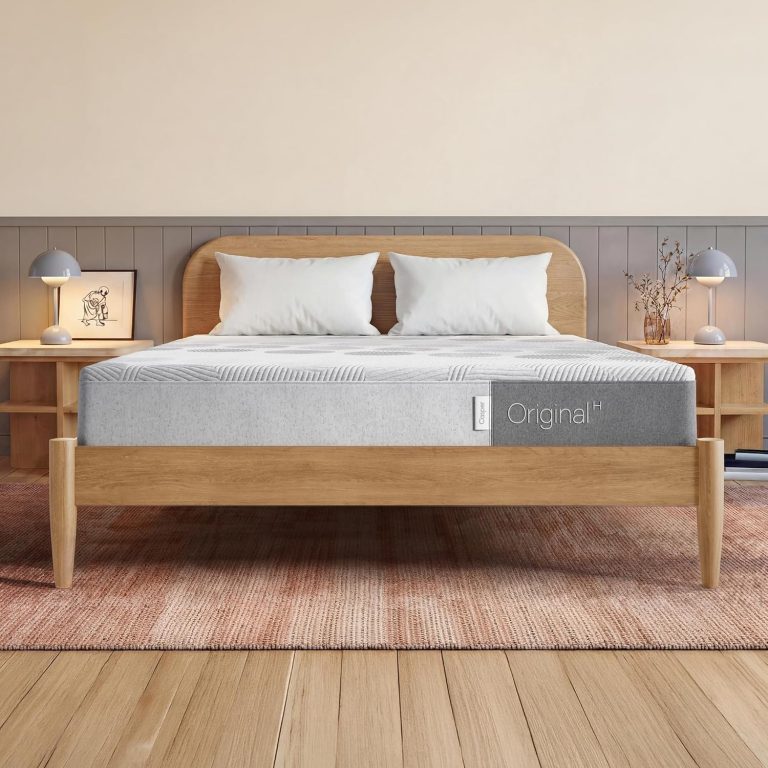
Yes, you can test a mattress before you buy, thanks to the sleep trial included with most new mattresses. These mattress trials give you a set number of nights, usually 100, to sleep on the bed in your own home before you commit to keeping it. It is a risk-free way to see if the bed is actually right for your body and your sleeping style.
We found that most online mattress brands offer these home trials to make up for the fact you can’t test the bed in a store. During this time, you can get used to the feel, learn if you sleep hot, and decide if the support works for your back. The return process is also typically straightforward, with the company arranging a pickup and refunding your money in full.
- Typical length: Most trials last for 100 nights.
- The break-in period: Expect a 30-night adjustment phase before you judge the bed.
- Required time: You usually must keep the bed for at least 21 to 30 nights before returning it.
- Cost to return: The return is free, and the company handles the pickup.
- The best time to test: The trial helps you evaluate the mattress in your own home, with your own pillows.
So, how do you make the most of this trial period and ensure you get the best night’s sleep possible? Below, we walk you through the entire process, step by step, so you can shop with total confidence.
Making the Most of Your Home Sleep Trial
You finally have the box open and the mattress is set up. Now the real test begins. The next 100 nights will tell you everything you need to know about this bed. We found that people who follow a simple plan during their trial end up making smarter choices about keeping or returning the mattress.
Start by treating this trial like a real sleep experiment. Your only job is to sleep. Don’t overthink it on night one. Your body needs time to adjust to a new surface. Think of it like breaking in a new pair of hiking boots. The first few wears feel stiff, but they soften up and mold to your feet over time. Your mattress works the same way.
Why Your Body Needs a Break-In Period
The first two weeks on a new mattress can feel odd. You might toss and turn more than usual. You might wake up with a sore back. We found that this is completely normal for most people. The foam layers inside a new bed need time to soften and respond to your body heat.
Many experts say you should give a new mattress at least 30 nights before you make a final judgment. Your sleep habits, your back, and your body all need to recalibrate. During this time, try to sleep in your normal position. Don’t change how you sleep to match the bed. The bed should match you.
What Happens During the Adjustment Period
Your body learns to accept the new support system. The materials settle into their final shape. If the bed is too firm, you might feel pressure in your hips and shoulders. If it is too soft, you might feel lower back strain. These feelings often fade as the bed breaks in. Patience is your friend here.
The Right Way to Test a Mattress at Home
Testing a mattress at home is very different from lying on it for five minutes in a store. You need to simulate your real sleep life. Use your own pillows. Use your own sheets. Sleep on your side, back, or stomach just like you always do. We found that people who replicate their normal routine get the most accurate feel for the bed.
Give the bed a fair chance by going to bed at your usual time. Stay consistent. If you usually read before bed, do that. If you usually watch TV, do that too. The mattress needs to work in your real world, not in a perfect showroom setting.
Understanding Trial Lengths and Timelines
Most online mattress companies offer a 100-night trial. We found that this number is not random. It is long enough for your body to fully adapt to a new sleep surface. Shorter trials, like 30 nights, may not give you enough time to tell if the bed is right for you. Always check the trial length before you buy.
Some premium brands stretch the trial to 120 nights. Others go up to a full year. A longer trial usually signals confidence in the product. But a longer trial does not mean the mattress is better. It just gives you more time to decide. Focus on the quality of the trial, not just the length.
Minimum Holding Periods You Should Expect
Most companies require you to keep the mattress for at least 21 to 30 nights before you can request a return. This policy exists for a simple reason. They want your body to get past the break-in phase. Returning a mattress on night five does not give you a fair picture of its comfort. We found that the minimum holding period is usually stated clearly in the trial terms.
Mark your calendar with two dates. The first date is when the minimum period ends. The second date is the final day of your trial. This simple trick helps you track where you are in the process. Set reminders on your phone if you need to.
What Counts as a Fair Trial Night
A fair trial night means you actually slept on the bed. That sounds obvious, but it matters. If you spent the weekend at a hotel, those nights do not count toward your trial or your break-in period. You need genuine, consecutive nights of sleep on the mattress to truly evaluate it.
Many experts say that a fair trial also includes days when you feel good and days when you feel tired. Judge the mattress on average, not on one amazing night or one terrible night. Look at how you feel over the course of a full week or two. That gives you the clearest picture of how the bed supports you.
How to Decide if the Mattress Is Right for You
As your trial winds down, it is time to make the call. We found that a simple comparison tool works well. Start by asking yourself a few basic questions. Do I wake up with less pain than before? Do I fall asleep faster? Do I sleep through the night without waking? Answer these honestly, and you will have your answer.
Some people find it helpful to keep a nightly journal during the last two weeks of the trial. Write down one sentence each morning about how you slept. Over time, a clear pattern will emerge. This method works better than relying on your memory from 80 nights ago.
Signs You Should Keep the Mattress
- You wake up with less stiffness in your neck, shoulders, or lower back.
- You stop noticing the mattress at all — you just fall asleep quickly.
- Your partner reports that you toss and turn less during the night.
- You feel rested after a full night’s sleep without needing a nap.
- When you travel, you find yourself missing your own bed.
Red Flags That Point to a Return
Some warning signs should not be ignored. If you still have back pain after 60 nights, that is a problem. If you wake up sweating even with cooling sheets, the bed may trap heat. If you feel like you are sleeping in a hole, the support is failing you. We found that these issues rarely resolve on their own. Trust your body.
One strong signal is how you feel when you wake up. Persistent numbness or tingling in your hands or legs points to pressure issues. A mattress that causes allergy flare-ups should also go back. Your health matters more than any return policy.
Building Your Own Home Trial Checklist
A clear checklist keeps you honest during the process. Share it with your partner so you both rate the bed the same way. We found that couples who evaluate together make better decisions than those who do it alone. One person might love a firm bed while the other hates it. A good checklist brings both opinions to the table.
Key Factors to Track Each Week
| Factor to Track | Week 1-2 | Week 3-4 | Week 5+ |
|---|---|---|---|
| Pain and stiffness | Probably present, normal | Should improve | Should be minimal if bed fits |
| Sleep quality | May be disrupted | Stabilizing | Should be consistent and restful |
| Temperature regulation | Hard to tell yet | Notice any heat retention | Decide if you are comfortable all night |
| Motion transfer | Observe partner disturbance | Should feel minimal or acceptable | Final judgment on movement transfer |
| Edge support | Not critical yet | Sit on edges, check sagging | Confirm it meets your needs |
Nights to Pay Close Attention To
Pay extra attention on nights after heavy exercise or physically demanding days. These nights reveal how well the mattress supports your recovering muscles. Also pay attention on lazy weekends when you sleep in. These nights show you if the bed stays comfortable over long stretches. We found that these extreme nights give you the most valuable feedback.
You should also watch how you sleep during hot summer nights. Heat retention becomes obvious when the room is warm. A bed that sleeps cool in February might turn into a sauna in July. During your trial, try to notice how the bed feels across different room temperatures.
How the Return Process Actually Works
If you decide to return the mattress, the process is usually painless. Most brands arrange a local charity pickup or a scheduled courier pickup. You do not have to haul the bed to a post office. You do not have to put it back in the original box. We found that the company handles all the moving parts for you.
The refund typically returns to your original payment method within 5 to 10 business days after the pickup. No restocking fees apply to most trial returns. Just contact customer service, tell them your decision, and they will start the process. Keep your order number handy and your trial end date in mind.
When the Return Process Gets Tricky
Some situations add friction to a return. If you bought the mattress through a third-party retailer, the return policy might differ from the brand’s direct policy. If you used a financing plan, your refund might take a bit longer. We found that reading the fine print before you buy saves you from surprises later.
Also, do not ignore missing pieces. If your base frame or pillows arrived damaged, note that in the return request. Keep all accessories together for pickup. The process runs smoothest when you are organized and truthful about the condition of the items.
Making Your Final Decision with Confidence
You have done the work. You have slept on the bed for weeks. You have tracked your sleep quality and your pain levels. Now it is time to trust your judgment. Use the trial period as the useful tool it was designed to be. This is not a trick to trap you into keeping a mattress. It is a genuine test run.
If you are torn between keeping the bed and sending it back, go back to your checklist. Review your nightly notes. If the good nights outweigh the bad ones, keep the bed. If you keep looking forward to returning it, let it go. We found that people who trust their accumulated evidence rarely regret their final call.
Your Final 5-Night Test Process
- Night one: Sleep in your usual position, no adjustments.
- Night two: Stay in bed a full 9 hours to test long-term comfort.
- Night three: Exercise in the evening and note how your body feels in bed.
- Night four: Let your partner move around normally to check motion transfer.
- Night five: Wake up and rate your overall feeling from 1 to 10.
Your final score will guide you. A 7 or above means the bed works. A 5 or below means it is time to say goodbye. Middle ground scores mean you should dig into your notes one more time before deciding.
Conclusion
Your mattress trial is your personal sleep laboratory. We covered how the 100-night window gives you time to adjust, test, and decide. Remember the break-in period. Track your pain levels, sleep quality, and temperature comfort week by week. Use your body as the final judge, not the marketing materials.
You have a full home to test the bed in, with your own pillows and your own sleep habits. That is a powerful advantage. If the checklist points to keep, enjoy your new bed. If it points to return, know the pickup process is simple. Trust the evidence you collected. Make your call before the trial ends. You earned this clarity.
Frequently Asked Questions
Can I return a mattress after the 100-night trial ends?
Most brands do not allow returns after the trial period closes. You must request the return before your final trial night. Check your confirmation email for the exact end date. Set a calendar reminder a week before that date.
Do I need to keep the original box to return a mattress?
No, you do not need the original box. The company arranges a pickup service that brings their own materials. You just need to have the mattress accessible for the drivers. Keep the mattress clean and free of major stains to qualify for a full refund.
What happens to returned mattresses?
Most brands donate gently used mattresses to local charities. Some mattresses are recycled if they show heavy wear or damage. This means your returned bed often gets a second life. You also skip the hassle of hauling it to a landfill.
Can my partner’s opinion force a return we both might regret?
Couples should evaluate the mattress as a team. If one person hates the bed, that matters. But research and found that many disagreements come from different sleep positions, not poor quality. You both should review your notes together before making the final call.
Does a mattress trial cover the cost of a foundation or adjustable base?
Most trials apply only to the mattress itself. The base or frame you bought separately may have its own return policy. Check your order details to see if the base has a separate trial. Some brands let you test a base for 30 days, but that is less common.