Mattress Types and Benefits: Find Your Ideal Match
Choosing the right mattress is one of the most personal decisions you will make for your health. We found that your sleep position is the single biggest factor in picking the best mattress type for your body. Whether you need a soft cloud or a firm support system, the right bed directly impacts your back pain and sleep quality.
With so many options like memory foam, innerspring, latex, and hybrid, it is easy to feel overwhelmed. We break down the pros and cons of each material so you can shop with confidence. You spend a third of your life in bed, so getting this choice right matters for your daily energy and long-term wellness.
- Memory foam: Best for pressure relief and motion isolation; great for side sleepers but sleeps hot.
- Innerspring: Offers strong edge support and bounce; ideal for back sleepers and those who want a classic feel.
- Hybrid: Combines foam comfort with coil support; a versatile option for most body types.
- Latex: Naturally cooling and durable; perfect for eco-conscious shoppers who want a responsive feel.
- Firmness matters: Your weight and preferred sleep position should dictate the firmness level, not just the material.
Below, we walk you through every mattress type in plain English, helping you match your sleeping habits to the perfect bed for a better night’s rest.
Matching Mattress Types to Your Sleep Style
The right mattress supports your spine’s natural curve. We found that your sleep position matters more than any marketing buzzword on the box. Let’s make sense of the options so you can rest easy.
Why Your Sleep Position Is the Starting Point
Think of your mattress as a teammate. It needs to work with the way you naturally settle in at night. We found that back, side, and stomach sleepers all need different support zones to wake up pain-free.
Side sleepers often need softer pressure relief at the hips and shoulders. Back sleepers usually prefer medium firmness for even weight distribution. Stomach sleepers typically need a firmer surface to keep the spine aligned. Many experts say that matching firmness to position prevents morning aches and stiffness (Mayo Clinic).
Weight Matters Too
Your body weight changes how a mattress feels. A soft bed for a 130-pound person feels plush. That same bed can feel saggy for someone who weighs 250 pounds. Heavier sleepers often need firmer, denser materials to avoid sinking too deep.
Memory Foam Mattresses: The Pressure-Relief Champion
Memory foam molds to your body like a warm hug. It absorbs movement, so you won’t feel your partner tossing and turning. We found that it’s a top pick for side sleepers with hip or shoulder pain.
The material reacts to heat and pressure. It softens where your body presses down, then slowly bounces back. This cradling effect helps keep your spine aligned all night long.
What Memory Foam Does Really Well
- Motion isolation: Perfect for couples. You won’t disturb each other.
- Pressure relief: Great for painful joints and pressure points.
- Quiet support: No squeaky springs, just silent comfort.
- Shape retention: It won’t develop permanent sagging over time.
The Downsides of Memory Foam
Heat retention is the big complaint. Traditional memory foam traps body heat, leaving some sleepers sweaty. We found that newer gel-infused foams sleep cooler, but they still aren’t the best for hot sleepers.
Another issue is the slow response time. Some people feel “stuck” in the foam. If you move a lot at night, this sinking sensation can feel confining. Edge support is also weaker, so sitting on the edge might feel unstable.
Innerspring Mattresses: The Classic Bounce
Innerspring beds use steel coils for support. They offer a familiar, bouncy feel that many people grew up with. We found that back sleepers often love this type because it keeps the hips elevated and aligned.
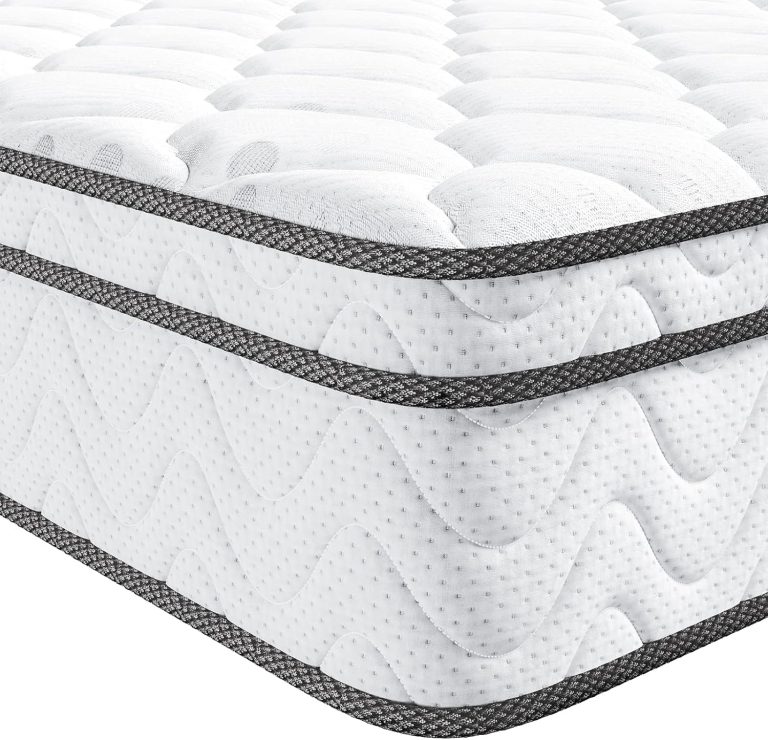
Modern innerspring designs are better than the old ones. They use pocketed coils that move independently. This reduces motion transfer while keeping that springy, responsive surface you expect from a traditional bed.
Why People Choose Innerspring Beds
Strong edge support is a huge plus. You can sit on the corner without sliding off. The open coil structure also allows air to flow freely, which helps keep you cool. Breathability is a big win for hot sleepers.
These beds are usually more affordable than high-end foam or latex options. They also have that familiar “hotel bed” feel that many shoppers want. The bounce makes it easier to change positions and get in and out of bed.
Where Innerspring Beds Fall Short
Motion isolation is weaker. If your partner moves, you may feel the ripple. Pressure relief is also not as strong as foam, which can be an issue for side sleepers. Durability can vary, so look for higher coil counts to prevent sagging.
Hybrid Mattresses: The Best of Both Worlds
Hybrids pair a coil support core with foam or latex comfort layers. They aim to give you the bounce of springs and the pressure relief of foam. We found that this makes them a versatile choice for most body types.
The coil base provides strong support and airflow. The top layers add cushioning where you need it. Combining both materials usually gives you better edge support than pure foam beds.
Who Should Consider a Hybrid?
Combination sleepers are the biggest fans. If you switch positions during the night, a hybrid adapts quickly. The responsive coils keep up with your movements while the foam layer softens the landing.
Couples with different preferences often find hybrids work well. The motion isolation is decent, and the edge support helps with sharing space. They also sleep cooler than all-foam beds because the coil core allows airflow.
What to Watch Out For
Hybrids can be heavy and hard to move. They are also typically more expensive than single-material options. We found that the quality of the comfort layer matters for longevity, so check the foam density before buying.
Latex Mattresses: The Natural Performer
Latex comes from rubber tree sap. It offers a responsive, buoyant feel that’s different from foam. We found that eco-conscious shoppers prefer this option because it’s sustainable and naturally resistant to dust mites.
The material feels like a firmer version of memory foam. It contours to your body but pushes back more quickly. You get pressure relief without the “stuck” feeling. Many experts point to latex as a great choice for allergy sufferers (National Institutes of Health).
Why Latex Sleeps So Well
Temperature regulation is excellent. The natural material has an open-cell structure that dissipates heat. You stay cool and dry all night without needing gel infusions or cooling covers.
Durability is another selling point. Latex mattresses can last 15 to 20 years with proper care. That’s significantly longer than memory foam or innerspring options. It’s a bigger upfront cost, but the lifespan evens out the price.
Natural vs. Synthetic Latex
They aren’t all the same. Natural latex comes from rubber trees and is pricier. Synthetic latex is made from petroleum-based materials and costs less. Many shoppers look for labels that say “100% natural” to guarantee the real thing.
Latex Considerations
The feel is firmer than most foams. Some side sleepers find it too hard without a soft topper. Latex mattresses are also very heavy due to the dense material. Moving one up a flight of stairs requires teamwork.
Comparing the Top Mattress Types
Let’s put the facts side by side. This quick snapshot helps you see the main differences at a glance. Use it as a cheat sheet while you shop.
| Type | Best For | Sleep Feel | Key Drawback |
|---|---|---|---|
| Memory Foam | Side sleepers, couples | Slow, cradling hug | Sleeps hot for some |
| Innerspring | Back sleepers, hot sleepers | Bouncy and firm | Weak motion isolation |
| Hybrid | Combination sleepers | Balanced support | Heavier and pricier |
| Latex | Eco-conscious shoppers | Responsive and buoyant | Expensive upfront cost |
Understanding Firmness Levels
Firmness is about how hard or soft the surface feels. It isn’t the same as support. Support is about spinal alignment, while firmness is about surface pressure. You need both to work together.
Firmness scales run from 1 to 10, with 10 being the hardest. Most mattresses fall between a 3 (soft) and a 7 (firm). We found that your body weight shifts the perceived firmness of any mattress you try.
Choosing Firmness by Sleep Position
- Side sleepers: Choose medium-soft (3-5) to cushion hips.
- Back sleepers: Choose medium-firm (5-7) for balance.
- Stomach sleepers: Choose firm (7-8) to keep hips from sinking.
- Heavier sleepers: Go one level firmer than your position suggests.
Your 6-Step Mattress Shopping Checklist
We found that shoppers who follow a checklist stay happier with their purchase. Print this out or save it on your phone. Use every step before you commit to a new bed.
- Determine your primary sleep position and pick a matching firmness.
- Check the return policy and trial period before you buy. Aim for 90 nights or more.
- Measure your bed frame and bedroom space so the mattress fits properly.
- Read materials and certifications for foam and latex options. Look for low VOC labels.
- Test motion isolation by asking about coil count or foam density, especially for couples.
- Plan for delivery logistics, including hallway width and stair access.
Weight Limits and Mattress Lifespan
Every mattress has a designed weight capacity. We found that exceeding the limit can cause premature sagging. This leads to poor sleep and possible back pain.
Memory foam usually supports up to 300 pounds per sleeper. Innerspring coils often hold more, sometimes up to 500 pounds. Latex is dense and durable, supporting most body types comfortably. Check the manufacturer’s spec sheet for exact numbers.
Lifespan varies by material. Innerspring beds last about 7 to 8 years on average. Memory foam lasts up to 10 years with solid care. Latex can stretch to 15 years or more. Flipping or rotating your mattress as directed helps it wear evenly.
Cooling Features Made Simple
If you wake up sweaty, heat matters more than any other feature. We found that cooling technology is a must for hot sleepers. The material structure often matters more than fancy covers.
Gel-infused foam pulls heat away from your body. Copper-infused foam conducts temperature out of the bed. Latex naturally breathes due to its open-cell structure. Coil cores let air circulate freely from the bottom up. Look for breathable covers made from cotton or wool for extra help.
Budgeting for Your New Mattress
Prices vary widely across mattress types. We found that you don’t need to spend thousands for quality sleep. Mid-range beds often perform just as well as luxury models.
Memory foam is usually the most budget-friendly. Innerspring beds are also affordable, especially at entry-level prices. Hybrids sit in the middle range. Latex commands a premium because of the natural materials. Whatever your budget, prioritize the features that fix your top sleep complaint.
Watch for seasonal sales events. Many online brands offer discounts during major holidays. Take advantage of free trials to test the bed at home. Your comfort is the only metric that truly matters. After all, you’re the one who sleeps on it every night.
Conclusion
Your best mattress matches your sleep position, body weight, and temperature needs. We found that memory foam excels at pressure relief, while innerspring beds offer that classic bounce and cool sleep. Hybrids give you flexibility, and latex delivers natural durability that lasts for years.
Start with your sleep style first. That single step narrows your options faster than any brand marketing. Then factor in your budget and any hot-sleeping tendencies. Use the 6-step checklist from above before you click “buy.”
You spend a third of your life on this surface. Take advantage of trial periods and test your top pick at home. Your body will tell you the truth within a few nights. Choose wisely, and you will wake up refreshed for years to come.
Frequently Asked Questions
How long should a mattress last before replacement?
Most mattresses last between 7 and 10 years with proper care. Latex beds can stretch to 15 years or more. If you wake up with new aches or notice visible sagging, it’s time to shop.
Can a firm mattress cause back pain?
Yes, a bed that is too firm can create pressure points at your hips and shoulders. Your spine needs to stay in a neutral position. We found that medium-firm works best for most back sleepers, while side sleepers often need something softer.
What is the best mattress for couples with different preferences?
Hybrid mattresses are a strong choice for couples. The coil base offers support, while the foam top adds comfort. Look for good motion isolation so you won’t feel each other’s movements during the night.
Do you really need a mattress topper with a new bed?
Not usually. A quality mattress should feel right on its own. Toppers can adjust firmness temporarily, but they won’t fix a poor support core. If you need a topper right away, exchange the mattress instead during your trial period.
Are expensive mattresses actually worth the higher price?
Price does not always equal better sleep. Mid-range mattresses often perform just as well as luxury models. We found that materials and construction matter more than the brand name on the box. Focus on features that fix your specific sleep complaints.