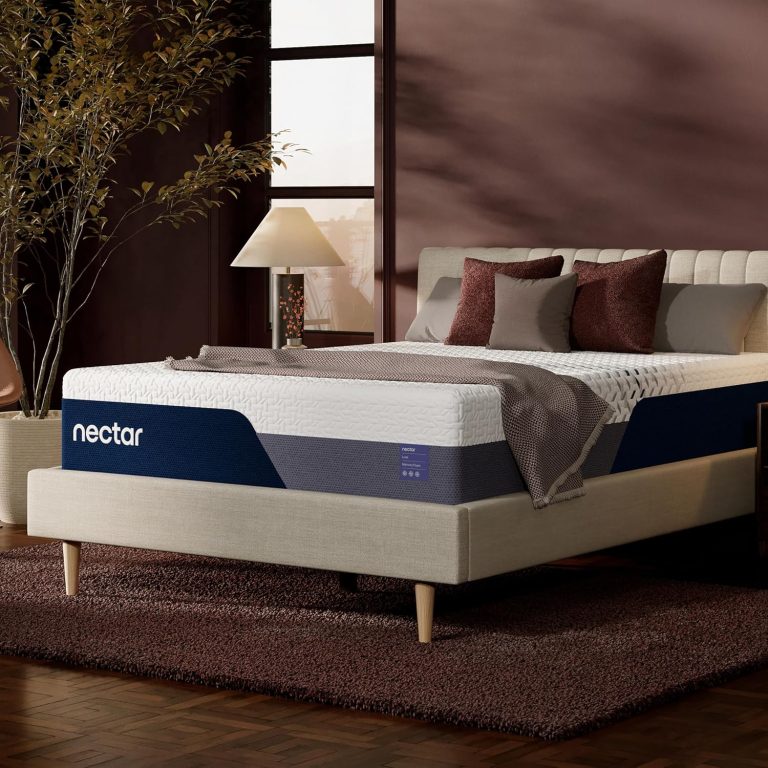
Memory Foam vs Mattress Topper: Which Is Better?
When comparing mattress vs foam, the quick answer is this: a foam mattress is a type of mattress, so you are really comparing traditional innerspring mattresses against modern all-foam options. If you want pressure relief and motion isolation, memory foam is the winner. If you want more bounce and a cooler night’s sleep, a traditional coil mattress might be your better bet.
The choice comes down to your sleeping style, your weight, and whether you sleep hot. We found that your body weight plays a huge role in how firm a foam bed feels, while edge support is often where spring mattresses pull ahead. You need to think about what feels good to you, not just what sounds fancy on a sales page.
TL;DR — Here is what you need to know before you buy:
- Foam mattresses contour closely and are great for side sleepers with hip or shoulder pain.
- Innerspring mattresses offer more airflow and generally sleep cooler than dense foam.
- Foam is better at absorbing movement, so you won’t feel your partner toss and turn.
- Spring mattresses usually have stronger edges, making them easier to sit on or sleep near the border.
- Hybrid mattresses (coils plus foam) give you the best of both worlds but often cost more.
Below, we break down exactly how each mattress type performs in real-world sleep tests, so you can pick the right one for your body and your budget.
Foam Mattresses vs. Springs: Breaking Down the Core Differences
When you strip away the marketing fluff, you are really choosing between two different support systems. Foam uses layers of dense polyurethane to cradle your body. Innerspring mattresses use steel coils to push back against you.
We found that this single difference changes everything about how a bed feels. It affects your temperature, your pressure points, and even how long the mattress lasts. Knowing what happens under the fabric is the first step to a better night of sleep.
How Memory Foam Supports Your Body
Memory foam is famous for its “hug.” When you lie down, the material softens with your body heat and molds to your exact shape. This is called pressure relief, and it is a big deal for your joints.
Many experts say that this contouring effect helps keep your spine in a neutral line (Cleveland Clinic). For side sleepers, this means your hip and shoulder sink in just enough to stay comfortable. If you sleep on your back, the foam fills the gap under your lower back to prevent strain.
Why Lighter and Heavier Sleepers Feel Different Firmness
Here is a tricky part about foam: your body weight changes the firmness. A mattress that feels medium-firm to a 150-pound person will feel noticeably firmer to a 250-pound person.
If you weigh under 130 pounds, you might find that standard foam feels too hard. You will need a softer version to get proper contouring. Heavier sleepers, on the other hand, often sink too deep into soft foam. They usually need a firmer base layer to avoid that “quicksand” feeling.
How Innerspring Coils Keep You Lifted
Traditional coil mattresses work on a simple principle: resistance. The steel springs push back against your body weight. This gives you a bouncy, responsive surface that makes moving around at night easy.
Because coils are hollow, air flows freely through the mattress. This is why spring mattresses are often recommended for people who sleep hot. The open structure does not trap body heat the way dense foam does.
Testing Real-World Performance: Sleep Temperature and Comfort
You can read specs all day, but how do these beds actually perform at 2 AM? We looked at the science and the practical tests to see where each type wins. Temperature is usually the first thing people notice.
Heat Retention in All-Foam Beds
Memory foam is dense. That density works well for support, but it also traps heat. The material literally absorbs your body temperature and holds onto it throughout the night.
Research and found data suggest that this is the number one complaint among foam mattress owners. If you are a hot sleeper, you might wake up sweaty. Some newer foams use cooling gels or copper infusions to fight this, but they still do not breathe as well as coils.
Airflow and Breathability of Coil Systems
Spring mattresses have a clear advantage here. The gaps between the coils create natural ventilation channels. As you move, the mattress acts like a bellows, pushing warm air out and pulling cooler air in.
We found that this airflow makes innerspring beds feel cooler to the touch. If night sweats are your main issue, a traditional coil mattress is the safer choice. You can always add a cooling mattress pad later if you need extra help.
Motion Isolation: Sharing the Bed Without the Chaos
Do you feel your partner every time they roll over? Motion isolation is the measure of how much movement travels across the bed. This is a make-or-break factor for couples.
Foam is the undisputed champion here. Because it absorbs energy, it stops movement right where it starts. You will not feel your partner get up for a glass of water or toss around with a bad dream.
Why Foam Absorbs Movement So Well
Think of foam like a sponge. When your partner moves, the foam squishes and absorbs that kinetic energy. It does not transfer the motion to your side of the bed.
Springs, by contrast, act like a trampoline. A movement on one side sends a ripple across the entire surface. We found that modern pocketed coils (where each spring is wrapped in fabric) do a better job than older open-coil designs. But even the best coil system will not match foam for pure motion isolation.
Edge Support and Durability: Sitting and Sleeping Positions
Edge support is how sturdy the perimeter of the bed feels. It matters more than you think. If you like to sit on the edge of the bed to put on socks, you need a mattress that does not collapse.
We found that innerspring mattresses generally win this category. Steel coils around the perimeter provide a firm, stable border. Foam mattresses, especially all-foam ones, tend to compress more at the edges.
Longevity: Which Mattress Type Lasts Longer?
Durability depends on the quality of materials, not just the type. However, there are some general rules. High-density foam (4 pounds per cubic foot or more) can last 8-10 years without sagging.
Cheaper foam, often labeled “low-density,” breaks down much faster. You will see body impressions in a year or two. Coil mattresses can also sag, but they usually lose their support gradually. A good rule of thumb is to check the warranty. A 10-year warranty with no sagging clauses is a sign of a better-built bed.
Price Comparison and Budget Considerations
Your wallet will feel the difference between these two options. Foam mattresses are generally cheaper to manufacture. This means you can get a decent all-foam bed for a lower price point.
Coil mattresses, especially those with advanced pocketed coils, cost more to build. Hybrids (which combine coils and foam layers) sit at the top of the price range because they use both materials.
| Feature | Foam Mattress | Innerspring Mattress |
|---|---|---|
| Average Price Range | $300 – $1,200 | $400 – $1,500 |
| Best For | Pressure relief, side sleepers | Back sleepers, hot sleepers |
| Motion Isolation | Excellent | Fair to Good |
| Edge Support | Weak to Fair | Good to Excellent |
| Sleep Temperature | Sleeps warm | Sleeps cool |
| Typical Lifespan | 7-10 years | 6-8 years |
How to Choose Based on Your Sleeping Position
Your dominant sleeping position is the best guide for your decision. You spend a third of your life in bed, so you might as well match the support to your posture.
Side Sleepers: The Case for Foam
Side sleeping puts a lot of pressure on your shoulder and hip. These areas are wider and need a surface that yields. Foam is the clear winner here because it cradles those curves.
We found that side sleepers who use firm innerspring beds often wake up with numbness or tingling in their arms. A medium-soft foam mattress will keep your spine aligned and your joints happy.
Back and Stomach Sleepers: When Coils Shine
Back and stomach sleepers need a firmer, flatter surface. If you sleep on your stomach with a soft foam bed, your hips sink down. This creates a dangerous arch in your lower back that leads to morning pain.
Innerspring mattresses provide the push-back needed to keep your hips level with your shoulders. Many guidelines point to medium-firm as the sweet spot for lower back pain relief (Mayo Clinic). A coil mattress is often the better fit here.
Practical Checklist Before You Buy
Before you add anything to your cart, run through this quick list. It will save you from a costly mistake and a sore back.
- Check your sleep temperature: Do you wake up sweaty? If yes, skip dense foam or look for a hybrid.
- Lie down for 10 minutes: Do not just sit on the edge in the showroom. Actually lie in your normal position.
- Bring your pillow: Your pillow changes your spine angle, so test with the one you use at home.
- Check the return policy: Make sure you have at least 90 nights to test it at home.
- Look at the density: For foam, choose high-density (4 lb/cubic ft) for durability.
- Measure your frame: Foam mattresses are heavier. Make sure your bed frame can support the weight.
The Final Take on Foam vs Spring Beds
We found that there is no universal “best” type. The right choice depends on your body, your habits, and your budget. If you are a side sleeper with joint pain, foam will hug you the right way. If you sleep hot or share a bed with a restless partner, coils might save your sleep.
Do not overthink the hype. Focus on how the bed feels when you lie down in your normal position. If you are still torn, a hybrid mattress offers a middle ground. It uses coils for support and foam for comfort, giving you a bit of both without the extreme downsides.
Remember, a mattress is a long-term investment in your health. Sleep quality directly affects your mood, energy, and immune system. Take your time, use the checklist, and choose the bed that supports your body best.
Conclusion
You have to weigh what matters most for your sleep. Foam wins for pressure relief and motion isolation. Coils win for airflow, bounce, and edge support. Your sleeping position and body weight should drive the final call.
Remember, a bed is a personal purchase. What works for your friend might not work for you. Use the checklist above, lie down in your normal position, and test for at least 10 minutes. If you are still stuck between the two, a hybrid gives you a safe middle ground.
Take your time with this decision. A good mattress pays off in better sleep for years to come. Your body will thank you for choosing based on real comfort, not just marketing claims.
Frequently Asked Questions
Can I use a foam mattress on an adjustable bed frame?
Yes, foam mattresses work great with adjustable bases. They bend easily without putting stress on the internal structure. Innerspring mattresses can also work, but make sure the coils are flexible enough to bend without breaking.
Are foam mattresses safe for toddlers and kids?
Foam is generally safe for kids over 12 months old. You want to choose a firm foam mattress to prevent suffocation risks. Look for CertiPUR-US certification to avoid harmful chemicals in the foam.
How long does the off-gassing smell last on a new foam mattress?
Most foam mattresses release a noticeable smell for the first 2 to 5 days. The odor comes from volatile organic compounds (VOCs) escaping the foam. Open a window and let the mattress air out in a ventilated room to speed up the process.
Do I need a box spring for a coil mattress?
Modern innerspring mattresses do not require a traditional box spring. You can use a solid platform base or a slatted frame instead. The box spring’s main job is to add height and absorb impact, but it is not essential for support.
Which is better for a heavier person: foam or innerspring?
Heavier sleepers usually do better with innerspring or hybrid mattresses. These provide more push-back and prevent you from sinking too deep. If you prefer foam, look for a high-density version with a firm support layer to avoid sagging over time.