Jajim vs Mattress: Which Sleep Surface Wins?
If you’re torn between a mattress vs jajim, the short answer is: a jajim is your winner if you want a lightweight, traditional floor bed, but a mattress wins for long-term back support. We found that this choice really comes down to your sleeping style, your space, and how much support your body needs.
A jajim is a handwoven, woolen floor covering from Iran that works as a bedding base. It’s firm, thin, and breathable, while a mattress offers cushioning and pressure relief. Your health and comfort should guide the decision, and we researched how each option affects sleep quality and daily life.
- Jajim wins for portability, easy cleaning, and a firm, cool sleep surface.
- Mattress wins for spinal alignment, pressure relief, and overall comfort.
- Jajims are great for floor sleepers and minimalist spaces.
- Mattresses are ideal if you have back pain or need plush support.
- Your budget and floor type matter just as much as your sleep position.
Let’s walk through the key differences between these two sleeping options so you can pick the right one for your home. For a fuller breakdown of what to look for in a bed, our step-by-step mattress buying guide walks through every factor.
Comparing Jajim and Mattress for Your Sleeping Setup
We found that most people choose between a jajim and a mattress based on one big factor: where they want to sleep. A jajim goes on the floor. A mattress goes on a bed frame or the floor too.
Your daily habits matter just as much. Do you fold your bedding every morning? Do you need to move your sleep setup often? These small choices add up fast.
What a Jajim Actually Is
A jajim is a traditional Iranian flat-weave textile. It is handwoven from wool or cotton. People use it as a floor covering, a picnic blanket, or a sleeping base.
When used for sleep, a jajim is thin and firm. It offers almost no padding. You place it directly on the floor or over a thin rug.
Think of it like camping on a thick blanket. It is not plush. But it keeps you off the cold floor and adds a layer of natural insulation.
What a Mattress Brings to the Table
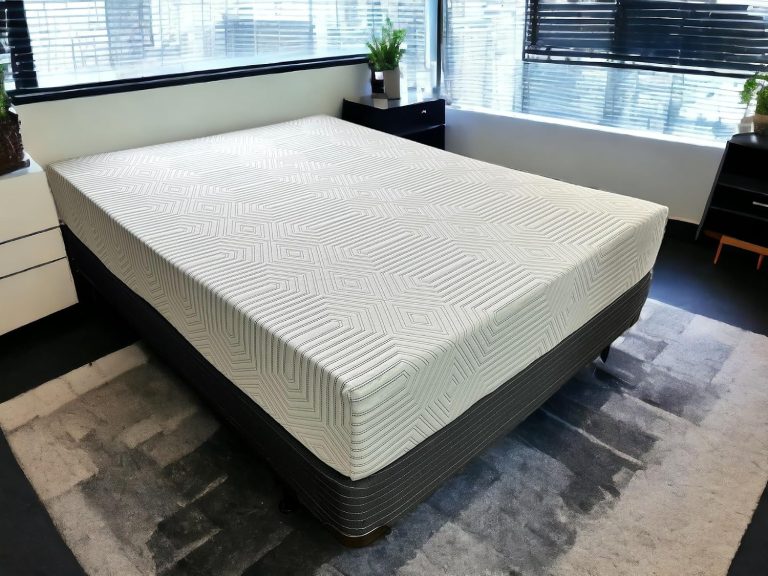
A mattress is a padded sleeping surface. It comes in many types: memory foam, innerspring, latex, and hybrid. Its main job is pressure relief and spinal support.
Most mattresses are 8 to 12 inches thick. They cradle your hips and shoulders. They absorb motion, so a partner moving at night won’t wake you.
Research shows that medium-firm mattresses help reduce lower back pain better than firm ones (Mayo Clinic). That is a big deal for many sleepers.
Support and Spinal Alignment Differences
Your spine needs neutral alignment while you sleep. That means your ears, shoulders, hips, and ankles stay in a straight line. Both jajim and mattress handle this differently.
A mattress contours to your body. It fills the gaps between your curves and the surface. This keeps your spine straight, especially for side sleepers.
A jajim does not contour. It is flat and unyielding. Your body has to conform to the floor, not the other way around.
Which One Supports Your Back Better
We found that mattresses win for back support in most cases. The cushioning helps maintain the natural curve of your lower back.
Sleeping on a hard surface like a jajim can cause pressure points. Your shoulders and hips dig into the floor. This can lead to numbness or sore joints.
Many experts say that very firm surfaces can increase tossing and turning at night. You shift positions more often to find comfort, which disrupts deep sleep.
Floor Sleepers and Firm Surfaces
Some people actually prefer a hard sleep surface. In many Asian cultures, floor sleeping is common and linked to good posture. Jajim fits that style perfectly.
If you are used to a firm surface, a jajim feels natural. It keeps your back straight and prevents sinking. You just need to give your body time to adapt.
Start with a few nights a week. Your muscles will adjust gradually. Sudden changes can cause stiffness and soreness.
Comfort and Pressure Relief Showdown
Comfort is subjective. What feels great to you might be torture for someone else. We break this down by sleep position.
Side sleepers need extra cushioning at the shoulder and hip. A mattress provides that. A jajim does not, and you will likely wake up with a sore shoulder.
Back sleepers need moderate support. A medium-firm mattress works best. A jajim can work if you have a thin layer of padding underneath.
Stomach sleepers need a firmer surface to prevent hip sinking. A jajim can work here, but a firm mattress is still more comfortable.
| Feature | Jajim | Mattress |
|---|---|---|
| Thickness | Under 1 inch | 8 to 12 inches |
| Pressure relief | Very low | High |
| Spinal alignment | Fair | Excellent |
| Best for | Floor sleepers | Back pain sufferers |
| Weight | Lightweight | Heavy |
| Cleaning | Easy to shake out | Requires vacuuming |
Sleeping Hot or Cold
Temperature control matters for deep sleep. Jajim wins on breathability. Wool naturally wicks moisture and allows air to flow.
Mattresses, especially memory foam, trap heat. Many manufacturers add cooling gels now, but they still run warmer than a flat weave.
If you sleep hot, a jajim plus a thin cotton sheet keeps you cool all night. If you sleep cold, a wool jajim adds natural insulation.
Portability and Space Considerations
Your living space shapes this decision. A jajim rolls up and leans against a wall. A mattress takes up permanent floor space.
We found that jajims are perfect for small apartments, studio spaces, or guest rooms. You can roll them out at night and put them away by morning.
Mattresses need a bed frame or a spot on the floor. They are heavy and hard to move. You cannot quickly store one in a closet.
Cleaning and Maintenance
Jajims are low maintenance. You can beat them like a rug, shake them outside, and spot clean stains. They dry fast and resist dust mites because of the tight weave.
Mattresses need regular vacuuming and rotating. Spills are a bigger problem. You need a waterproof protector to keep the core clean.
Many experts say that wool, like in a jajim, has natural antibacterial properties. That means fewer allergens in your sleeping area.
Durability and Long-Term Cost
Think about cost per year, not just the upfront price. A jajim can last decades with proper care. It is a dense, handwoven textile that does not compress or sag.
Mattresses wear out. Most last 7 to 10 years. Foam breaks down, springs lose tension, and the surface sags.
Jajims are usually cheaper upfront, too. A quality handwoven one costs less than a good mattress. You can also use a jajim as a rug later, so it is multipurpose.
Allergies and Hygiene
If you have allergies, this matters. Jajims are easier to keep dust-free. You can hang them outside and beat out dust and dander.
Mattresses trap dead skin, dust mites, and sweat deep inside. You cannot fully clean them without professional services.
Many guidelines point to dust mite control as a key step for allergy sufferers (NIH). A jajim that you air out weekly is a practical option.
Who Should Choose a Jajim
You are a good fit for a jajim if you like minimalist living. You do not mind firm surfaces. You want a sleep setup that packs away during the day.
Travelers and campers will love a jajim. It doubles as a picnic blanket. It is light enough to carry in a car or even a backpack.
People who practice floor-based activities like yoga or stretching benefit too. A jajim works as both a mat and a bed.
Who Should Choose a Mattress
If you have chronic back pain, choose a mattress. The cushioning and support are hard to beat. Your sleep quality will improve quickly.
Couples should also lean toward a mattress. Motion isolation matters when one partner tosses and turns. A jajim transfers every movement.
If you have mobility issues or are older, a mattress is safer. Getting up from the floor is harder without padding to push against.
Quick Checklist for Your Decision
Use this simple list to weigh your options. Check off what matters most to you.
- You prefer a firm surface — jajim fits better.
- You need back pain relief — go with a mattress.
- You have limited space — jajim stores easily.
- You sleep hot at night — jajim keeps you cool.
- You want long-term value — jajim lasts longer.
- You want plush comfort — mattress wins easily.
Combining Both Options
You do not have to pick just one. Many people use both together. Place a jajim under a thin futon mattress for extra support.
This combo gives you the breathability of wool and the cushioning of foam. It works well on the floor and protects your mattress from dust.
We found that this hybrid approach is popular among minimalists who want a compromise. It is also budget-friendly because you use fewer layers.
Conclusion
Choosing between a mattress and a jajim comes down to how you live and sleep. A jajim gives you a firm, breathable, and portable option that fits minimalist spaces. A mattress delivers pressure relief and spinal support that most sleepers need for restful nights.
We found that your sleep position and any back pain should drive the decision. Side sleepers and couples will likely prefer a mattress. Floor sleepers and hot sleepers will appreciate what a jajim offers.
Start by testing firm surfaces for a few nights. Pay attention to how your hips and shoulders feel in the morning. That feedback will tell you which option your body truly wants.
Frequently Asked Questions
Can you use a jajim on top of a mattress?
Yes, you can layer a jajim over a mattress for extra firmness and breathability. This combo works well if your mattress feels too soft. The jajim adds a natural wool layer that helps regulate temperature while you sleep.
Is sleeping on a jajim good for your posture?
Sleeping on a firm jajim can encourage better posture for people already used to hard surfaces. It keeps your spine in a neutral line without sinking. However, you need to transition gradually to avoid soreness in your hips and shoulders.
How do you clean a jajim used for sleeping?
You can shake a jajim outside and beat it like a rug to remove dust and debris. For stains, spot clean with mild soap and cold water. Hang it in the shade to dry completely before rolling it up for storage.
Will a jajim work better than a mattress for a guest room?
A jajim is a smart choice for a guest room with limited space. You can roll it out when guests arrive and store it away easily. It also works as a picnic blanket or extra floor seating when no one is visiting.
Does a jajim provide enough warmth in winter?
Wool jajims offer natural insulation that traps body heat in colder months. They keep you warm without making you sweaty like synthetic materials can. Pair it with a cotton sheet and a light blanket for comfortable winter sleep.