Old vs New Washers: Which Technology Saves You More
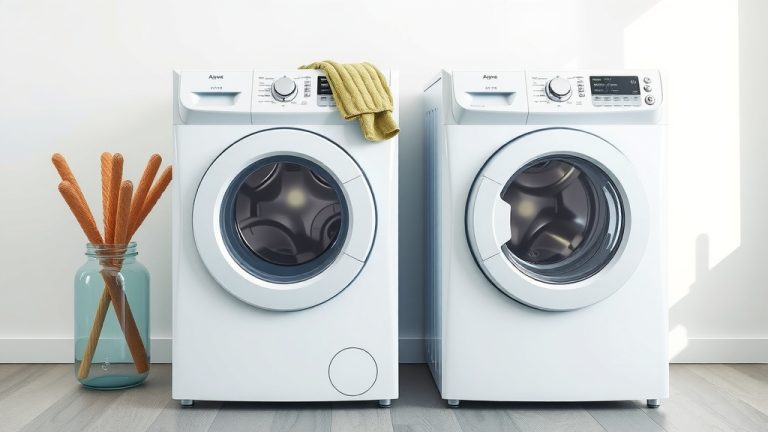
When comparing new washers vs old, today’s models offer better efficiency and smarter features. While older machines were built for durability, newer ones are designed to use less water and energy. You’ll often find advanced cycles and smartphone connectivity on modern washers.
Many people wonder if upgrading is worth it. We found that while older washers can be workhorses, newer designs focus on gentler fabric care and reduced utility bills. Think of it as trading brute strength for intelligent performance and eco-friendliness in your laundry room.
- New washers are more energy-efficient.
- They use less water than older models.
- Modern machines have advanced cleaning cycles.
- Some new washers connect to your smartphone.
- Older washers are often very durable.
Let’s dive into the specifics and see how those older appliances stack up against their shiny, new counterparts.
Comparing Your Old Washer to a New One
When you’re staring down a mountain of laundry, the machine you use makes a big difference. Have you ever wondered if your trusty old washer is still pulling its weight compared to the sleek, modern models? We’ve looked into it, and the results might surprise you. While older washers were built like tanks, today’s machines offer a whole new level of performance and efficiency. It’s a comparison of brute strength versus smart technology. Let’s break down what you gain, and maybe what you leave behind, when you look at new washers versus old ones.
Efficiency: The Energy and Water Showdown
One of the biggest shifts we’ve seen is in how much energy and water these machines use. Older washing machines often worked like a small bathtub on a spin cycle. They filled up completely, regardless of the load size. This meant a lot of wasted water and the energy needed to heat it.
Water Usage Differences
Many older top-load washers could use 30-40 gallons of water per load. Some older models might have even used more! Newer high-efficiency (HE) washers, on the other hand, use sensors. These sensors detect the size of your load. Then, they use just enough water to get the job done. We found that HE machines can use as little as 15-20 gallons per load. That’s a huge water saving over time. Think about how many loads you do in a year!
Energy Consumption
It’s not just water. Heating that water takes a lot of energy. Newer washers are also designed to use less electricity overall. They have more efficient motors and better insulation. Some even have soil sensors that adjust wash time. This means less running time and less energy used. Over the life of the machine, these energy savings can really add up. Your utility bills could see a nice dip.
Features: What Can a New Washer Do That an Old One Can’t?
Beyond just cleaning clothes, modern washers come packed with features that older models could only dream of. Think of it like comparing a flip phone to a smartphone. Both make calls, but one does so much more.
Cycle Options Galore
Older washers typically had basic cycles: Normal, Delicate, maybe Heavy Duty. Your new machine likely has cycles for everything. There are specialized cycles for athletic wear, bedding, sanitizing, steam cleaning, and even quick washes for when you’re in a hurry. These cycles are designed to treat your clothes better and get them cleaner.
Advanced Cleaning Technologies
Many new washers use advanced technologies like steam. Steam can help remove tough stains and allergens without harsh chemicals. Some use special drum designs that are gentler on fabrics. Others have built-in water heaters to ensure the water is at the optimal temperature for cleaning. These innovations lead to cleaner clothes and less wear and tear on your favorite outfits.
Smart Connectivity
This is where things get futuristic. Some new washers can connect to your home Wi-Fi. This means you can control them from your smartphone. Imagine starting a load while you’re still at work. Or getting a notification when the cycle is finished. It’s a level of convenience your old machine simply can’t offer. It makes managing laundry a bit less of a chore.
Durability vs. Design: What’s More Important?
Now, let’s talk about how these machines are built. Older washers were often made with fewer plastic parts. They used robust metal components that seemed to last forever. Many people inherited their old washers, and they just kept running!
The “Built to Last” Mentality of Older Machines
We found that older machines were often manufactured with simpler mechanics. This meant fewer things to break. If something did go wrong, a qualified technician could usually fix it with readily available parts. This focus on mechanical durability meant they could potentially outlive their owners. Think of them as mechanical workhorses.
Modern Engineering and Planned Obsolescence
Newer washers, especially HE models, have more complex electronics and sensors. While these enable all those smart features and efficiencies, they can also be points of failure. Many experts suggest that modern appliances are sometimes designed with a shorter lifespan in mind, a concept known as planned obsolescence. This isn’t always the case, but it’s something to consider when comparing the longevity of old versus new. However, the improved cleaning performance and resource savings are considerable.
Cost: Upfront vs. Long-Term
There’s a clear difference in price when you compare a brand-new washer to keeping your old one humming along. However, the total cost of ownership isn’t just the sticker price.
Initial Purchase Price
Let’s be honest, new washers can be expensive. High-end models with all the bells and whistles can cost well over $1,000. Even basic HE models are typically more expensive upfront than a used, older machine you might find. Your current washer, if it’s still working, cost you nothing right now.
The True Cost: Utility Bills and Repairs
This is where the tide turns. If your old washer is a water and energy hog, it’s costing you money every single month. We’ve seen research indicating that older appliances can cost 20-30% more to run than their modern, efficient counterparts (Energy Star). Plus, as older machines age, repair costs can mount up. Sometimes, you might spend more on repairs for an old machine than you would on a new, basic model. A new washer, while a larger initial investment, offers long-term savings on utilities and generally comes with a warranty, protecting you from immediate repair bills.
Making the Decision: What’s Right for You?
So, new washers versus old, which one wins? It really depends on your priorities. If you need a machine that’s incredibly simple and you don’t mind higher utility bills, your old faithful might be fine for now. But if you’re looking for better fabric care, lower running costs, and modern conveniences, an upgrade is likely in your future.
Checklist: Is It Time for an Upgrade?
- Does your current washer take ages to fill or drain?
- Are your utility bills surprisingly high each month?
- Are you constantly dealing with minor breakdowns or repairs?
- Do you find yourself wishing for better stain removal or gentler fabric care?
- Would smartphone control or specialized cycles make your life easier?
- Are you concerned about the environmental impact of your laundry habits?
If you answered yes to a few of these, it might be time to start researching new washer models. You might be surprised at how much has changed, and how much you stand to gain.
Conclusion
When weighing new washers versus old, you’re looking at a trade-off between old-school durability and modern efficiency. Your current machine might be a reliable workhorse, but newer models offer substantial savings on water and energy bills. They also bring advanced cleaning cycles and smart features that can improve fabric care and convenience. If your old washer is costing you more in utilities and repairs than you’d like, or if you crave better performance, it’s likely time to explore today’s efficient options. Start by checking Energy Star ratings to find a model that fits your budget and laundry needs.
Frequently Asked Questions
How much water can a new washer really save compared to an old one?
New high-efficiency washers use significantly less water. Research shows they can use 15-20 gallons per load, while older models might use 30-40 gallons or even more. This drastic reduction adds up quickly, especially if you do multiple loads each week.
Are new washers really more energy-efficient?
Yes, they are. Newer washers are designed with more efficient motors and better insulation. Many also use soil sensors to adjust wash times, meaning they run for less time and consume less electricity overall.
Can a new washer actually damage my clothes more than an old one?
Generally, no. While older machines might have been simpler, newer washers often feature advanced cleaning technologies and specialized cycles. These are designed for gentler fabric care, helping to reduce wear and tear on your clothing.
Is it worth paying more upfront for a new, efficient washer?
The upfront cost of a new washer can be higher, but the long-term savings on utilities often make it worthwhile. You also benefit from a warranty, protecting you from immediate repair costs that could quickly add up on an aging machine.
What are “smart features” on a new washer?
Smart features typically refer to Wi-Fi connectivity. This allows you to control and monitor your washer using a smartphone app. You can start loads remotely, receive cycle completion alerts, and sometimes even download new wash cycles.