Top Load vs Bottom Load Washers: Key Differences
Top load washers win for most people because they are easier to load and cheaper to buy. However, if you want maximum cleaning power and energy efficiency, a front load washer is the better choice. The real answer depends on your budget, space, and how you do laundry.
We found that this decision is rarely about one machine being perfect for everyone. It’s about trade-offs like mold risk, maintenance, and how much you hate bending over. Many experts say your laundry habits matter just as much as the machine’s specs.
- Top loaders: Cheaper upfront, easy to load, and faster cycle times.
- Front loaders: Clean better, use less water, and stack well in tight spaces.
- Maintenance: Top loaders need less upkeep; front loaders can grow mold if neglected.
- Myth: Front loaders are not all gentler on clothes—agitation type matters more.
- Bottom line: Your back, budget, and laundry volume should drive the choice.
Below, we’ll walk you through each type’s pros, cons, and hidden costs so you can pick the perfect one for your home.
Comparing Top Load and Front Load Washers
We found that most people start their search by asking which washer type cleans best. But the real conversation begins with how you live. Your back, your space, and your weekly laundry pile matter more than any spec sheet.
Both machines get clothes clean when used correctly. The difference shows up in water usage, cycle times, and how much effort you put into upkeep. Let’s break down each type so you can see which one fits your routine.
Top Load Washers: The Classic Workhorse
Top loaders have been in American homes for decades. They are simple, reliable, and easy to use. You open a lid on top, drop clothes in, and press start. No bending, no squatting, no fuss.
We found that people with back issues or mobility concerns often prefer top loaders. The deep basin means you can reach in without straining. Plus, you can pause a cycle mid-wash to toss in that forgotten sock.
Standard Agitator vs High-Efficiency Top Loaders
Not all top loaders are the same. Traditional models have a central agitator with fins that twist clothes back and forth. They are aggressive but effective at lifting heavy soil.
High-efficiency (HE) top loaders use a wash plate at the bottom instead. They are gentler on fabric and use less water. We found that HE top loaders are the better middle ground if you want efficiency without the bend of a front loader.
Front Load Washers: The Efficiency Powerhouse
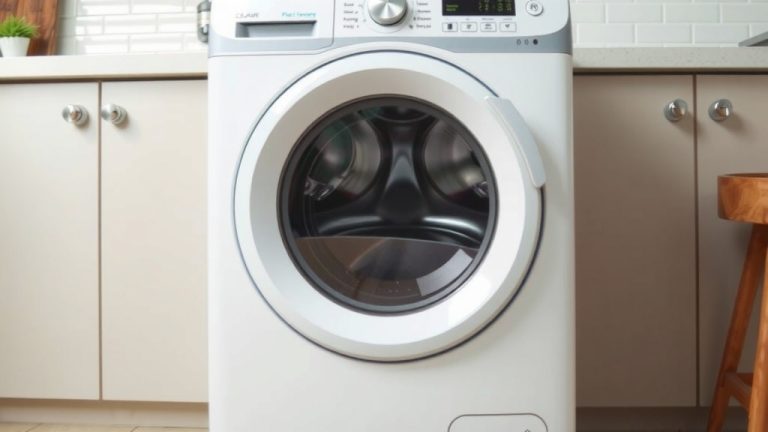
Front loaders clean by tumbling clothes through a small pool of water at the bottom of the drum. Gravity does the heavy lifting. The result is a thorough clean with significantly less water.
Many experts say front loaders are the best choice for households with heavy, dirty laundry. They handle bulky items like comforters and work boots better than most top loaders. The wash action is also gentler on fabrics over time.
Why Front Loaders Clean Better
The tumbling action lifts clothes up and drops them repeatedly. This mechanical motion combined with detergent lifts stains and odors more effectively. We found that front loaders remove embedded dirt without harsh agitation.
Energy Star data shows front loaders use about 40% less water than standard top loaders. That reduction saves money on your water bill. It also means less energy to heat the water, which cuts your electricity costs.
What Matters Most in Your Laundry Room
We’ve covered the basics, but two key factors often tip the scale: physical comfort and installation space. These are the real-world details that make or break washer satisfaction.
Think about your laundry area right now. Do you have a closet, a basement, or a cramped hallway? Measure the space before you shop. A front loader that can’t open fully becomes a headache, not a helper.
Ergonomics and Your Back
Front loaders are installed on pedestals or raised platforms in many homes. That puts the door at waist level, which reduces bending. But if you skip the pedestal, prepare to crouch for every single load.
Top loaders, on the other hand, keep everything at standing height. You never kneel or reach low. For older adults or anyone recovering from injury, this is a game-changer.
Space and Ventilation Considerations
Front loaders are the only option for stacking. You can place a dryer directly on top to save floor space. That makes them ideal for apartments and tiny laundry closets.
Top loaders need the lid to swing open fully. You must leave clearance above the machine. Also, the lid stays open during loading, which requires extra room in front.
Maintenance: The Hidden Cost of Ownership
Here is where many people get surprised. The cheaper machine upfront can cost you more in frustration later. Maintenance needs differ wildly between the two types.
We found that top loaders are nearly maintenance-free. The open design allows water to drain completely. There is no sealed door or gasket to collect moisture and grime.
Mold and Odor Risks in Front Loaders
Front loaders have a rubber gasket around the door that traps water. If you close the door right after a wash, that moisture turns into mold. It smells musty and can transfer odors to your clothes.
To prevent this, you must wipe the gasket dry after every load. You also need to leave the door ajar between washes. Many experts recommend running a cleaning cycle monthly. That is extra work, but it is non-negotiable for front loader owners.
Water Quality and Buildup
Hard water can cause mineral scale buildup inside any washer. Front loaders, with their sealed systems, are more prone to this issue. Descaling treatments become part of your monthly routine.
Top loaders benefit from larger water volumes. The extra water helps rinse away mineral residues before they accumulate. If you have hard water, this simple advantage could save you time and money.
Buying Costs and Long-Term Value
Price tags vary, but the patterns are consistent. Traditional top loaders with agitators are the cheapest washers you can buy. High-efficiency top loaders cost a bit more, and front loaders carry the highest sticker price. Our washing machine cost guide explains typical price ranges for each type.
| Washer Type | Average Purchase Price | Annual Operating Cost | Typical Lifespan |
|---|---|---|---|
| Traditional Top Loader | $400 – $600 | Higher (uses more water and energy) | 10 – 14 years |
| HE Top Loader | $600 – $900 | Moderate | 10 – 12 years |
| Front Loader | $800 – $1,500 | Lower (saves water and energy) | 8 – 12 years |
We found that front loaders often pay for themselves over time. The utility savings add up every month. However, the initial investment is steep, and repair costs for front loaders tend to be higher due to complex parts like the door lock and drum bearings.
For budget shoppers, a traditional top loader wins outright. The low price and simple mechanics mean fewer repair bills. If you plan to move soon, a cheaper top loader is also easier to sell or abandon.
Cycle Times and Your Schedule
Nobody wants to wait forever for a load to finish. Cycle length is a practical detail many people overlook. The difference between these machines is significant.
Top loaders finish a normal cycle in 35 to 50 minutes. The fast wash times make them perfect for busy households. You can run multiple loads in an afternoon without stress.
Front loaders take longer, usually 60 to 90 minutes per cycle. The extended time allows for better water extraction and gentler cleaning. If you plan ahead or wash at night, this is not a problem. But if you need a quick turnaround, the wait feels endless.
Load Capacity and Family Size
Front loaders typically offer larger drum capacities. You can wash bulky items like king-size comforters and sleeping bags at home. This is a huge plus for families with pets or kids.
Top loaders have smaller usable capacities, even when the tub looks huge. The agitator in traditional models takes up interior space. You might need to run an extra load for the same amount of laundry.
Which One Should You Choose?
We found that the best choice aligns with your priorities. There is no universal winner, but there is a right answer for your home. Ask yourself a few honest questions before you spend money.
Consider your physical comfort, budget, and patience for maintenance. A top loader works best for quick, effortless daily chores. A front loader rewards you with savings and superior cleaning if you maintain it well.
Your Quick Decision Checklist
Use this list to match a washer to your lifestyle:
- Do you have back or knee pain? Choose a top loader to avoid bending.
- Is your laundry space tight? Pick a front loader for stacking capability.
- Are you on a tight budget? A traditional top loader is the cheapest option.
- Do you wash bulky items often? Choose a front loader with a large drum.
- Can you commit to wiping a door gasket weekly? Yes means a front loader works.
- Do you want shorter wash cycles? A top loader finishes faster every time.
If you checked boxes for comfort, speed, and low cost, stop your search now. A top load washer is your match. But if energy savings, drum size, and premium cleaning appeal to you, embrace the front loader routine.
We recommend you visit a showroom. Open the lids, feel the height, and imagine your weekly routine. The right machine is the one you will actually use without dread. Many experts say test-driving a washer is like test-driving a car—you know when it fits.
Conclusion
So, top load or bottom load? We found that your back, budget, and laundry habits really decide this for you. Top loaders are the practical pick for easy loading, faster cycles, and a lower price tag. Front loaders win when you want deeper cleaning, lower utility bills, and a bigger drum for bulky items.
You really can’t go wrong with either machine. The best move is to measure your space and check your physical comfort first. Then, set a firm budget. If you can swing the higher cost and don’t mind a little door-gasket upkeep, go front load. If simple and fast is your game, grab a top loader.
Take your time and pick the washer that makes laundry feel less like a chore. Your future self will thank you.
Frequently Asked Questions
Do top load washers use more detergent than front loaders?
Yes, they usually do. Top loaders, especially older models, fill with more water to cover the clothes. That extra water means you need more detergent to keep the concentration effective.
Front loaders use a fraction of the water, so you add less soap per load. You’ll buy detergent less often with a front-load machine.
Can I put a top load washer under a counter or shelf?
You can, but you have to measure carefully. The lid needs room to swing fully open so you can load clothes safely. You also need vertical clearance for your hand and the clothes you’re dropping in.
We found that most people need at least 18 to 20 inches of open space above a top loader. If your shelf is too low, you’ll be fighting to load every single wash.
Is one type of washer less likely to damage delicate clothes?
Front loaders are generally gentler because they tumble clothes instead of twisting them. The lack of a central agitator means less friction and snagging on delicate fabrics.
If you have a top loader, look for a high-efficiency model with a wash plate instead of an agitator. That gets you much closer to front-loader gentleness without the bend.
How much more expensive are front loader repairs on average?
Repairs can cost noticeably more. Front loaders have more complex parts like a door lock mechanism, electronic control boards, and drum bearings that are hard to reach.
If something breaks, you’re often paying for premium parts and more labor hours. It’s smart to budget a little extra for potential service calls if you choose a front loader.
Do top loaders handle large comforters as well as front loaders?
Mostly, no. Front loaders have a larger usable drum capacity because there’s no agitator taking up space in the middle. That extra room lets bulky comforters and blankets move around freely.
Top loaders, especially traditional ones, struggle with big items that can wrap around the agitator. You might need to take bulky bedding to a laundromat with a front loader instead.