Smallest Washer Dryer Combo Units: What to Know
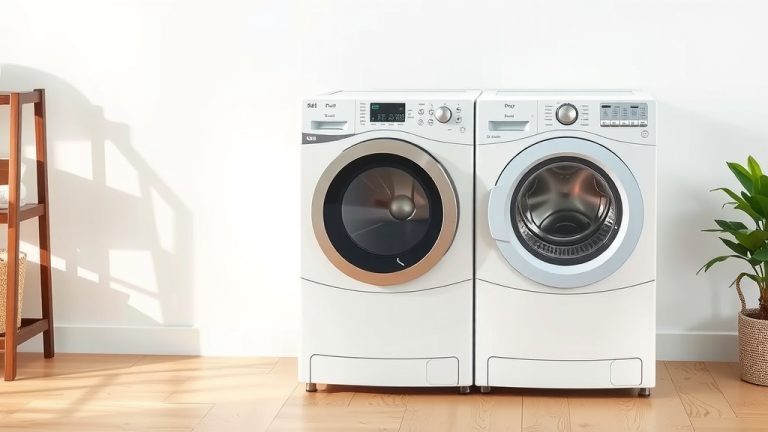
You’re likely wondering about the smallest washer and dryer units you can fit into your home. Many compact washer and dryer models are available, perfect for small apartments or RVs. These often come as stackable or all-in-one units, maximizing space efficiency.
Finding the right size is key when you have limited room. We’ve researched various compact appliances to help you. You can find units designed to fit into tight spots without sacrificing too much capacity. Look for models advertised as “apartment-sized” or “mini”.
- The smallest washer and dryer units are often all-in-one or stackable.
- These are designed for apartments, RVs, and tiny homes.
- They offer good functionality in a space-saving design.
- Look for terms like “compact,” “mini,” or “apartment-sized.”
Let’s look at what we found regarding the tiniest washer and dryer options for your home.
Discovering the Smallest Washer and Dryer Options for Your Home
When space is at a premium, you might feel like a full-sized laundry setup is out of reach. We’ve researched the market to find the absolute smallest washer and dryer solutions available. You’ll be surprised at how much laundry power can fit into tiny spaces. These compact machines are a game-changer for apartments, RVs, dorm rooms, and even boats.
Understanding Compact Laundry Appliance Dimensions
The term “smallest” can mean a few things in the world of laundry appliances. Generally, it refers to units with a smaller physical footprint and a reduced drum capacity compared to standard machines. We’re talking about appliances that can often slide into closets, under counters, or fit into narrow alcoves.
All-in-One Washer Dryer Combos: The Ultimate Space Savers
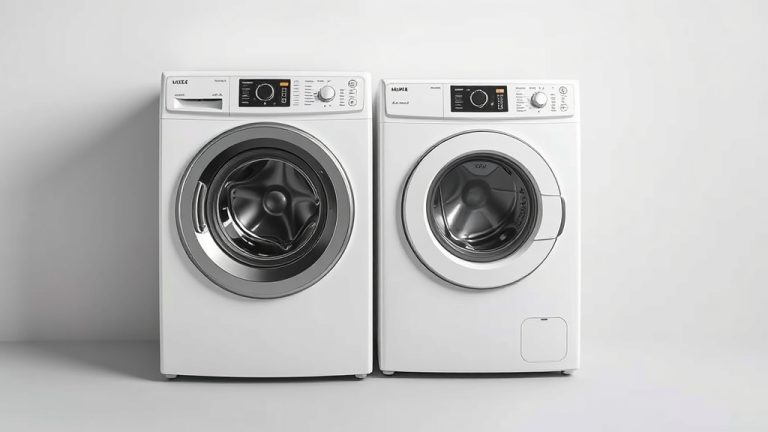
For the absolute smallest footprint, all-in-one washer dryer units are often the top contenders. These clever machines perform both washing and drying cycles in a single drum. You load your dirty clothes, and they come out clean and dry, all from one appliance. This eliminates the need for two separate machines, saving considerable floor space and often installation complexity.
We found that these units typically measure around 33-35 inches in height and 23-25 inches in width. Their depth is usually comparable to a standard washing machine, around 23-26 inches. This makes them comparable in size to a standard washing machine, but with the added benefit of being a dryer too.
Capacity Considerations for Mini Machines
Don’t expect to wash your entire family’s laundry in one go with these tiny titans. The drum capacity for all-in-one units is significantly smaller than their full-sized counterparts. Most compact combos offer a capacity of around 1.0 to 2.2 cubic feet. This usually translates to washing about 8-10 pounds of laundry per load.
For a single person or a couple, this capacity is often perfectly adequate. You might just need to do laundry a bit more frequently. It’s a fair trade-off for not needing a dedicated laundry room. Many experts suggest this size is ideal for those who don’t generate large amounts of laundry at once (e.g., individuals living alone, small households) (Consumer Reports research).
Stackable Washer and Dryer Sets: A Compact Solution
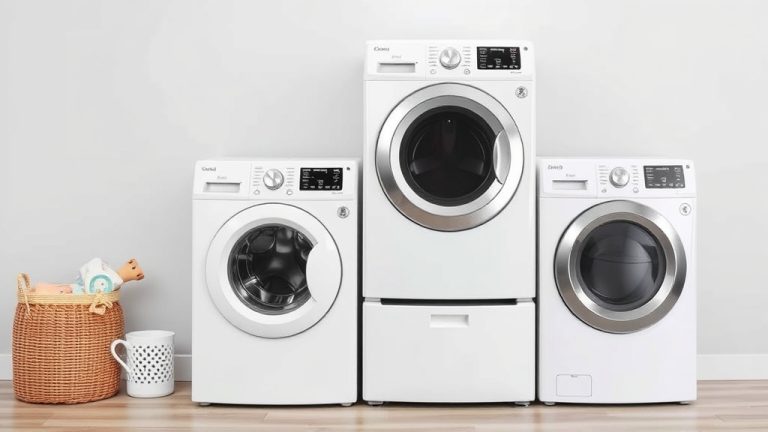
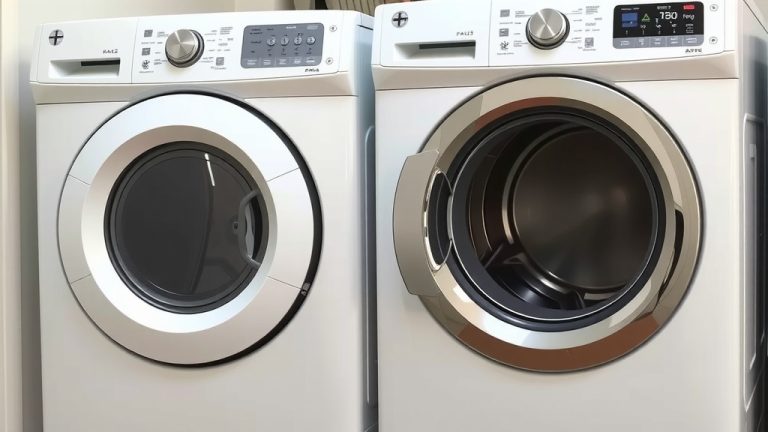
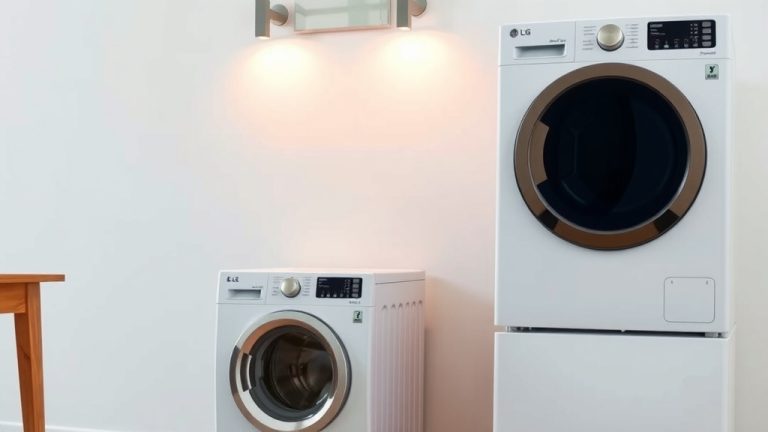
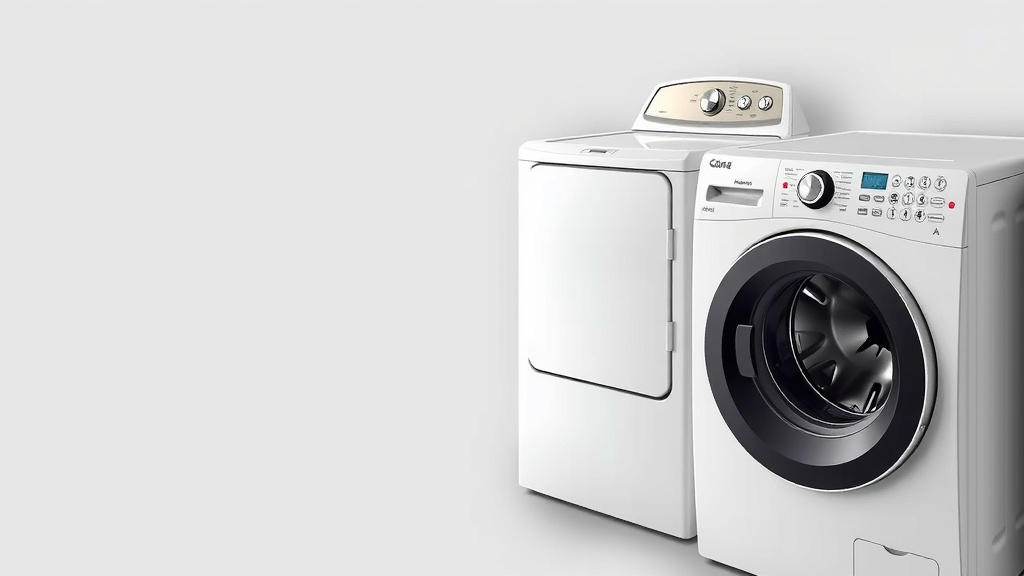
If you have a bit more width but are very short on floor space, a stackable washer and dryer set might be your answer. These are two separate units—a washer and a dryer—designed to be installed one on top of the other. This vertical configuration maximizes your usable floor area.
When stacked, these units typically stand around 70-75 inches tall. The width and depth are usually similar to individual compact washers or dryers, often around 24-27 inches wide and 27-30 inches deep. This is still considerably smaller than side-by-side standard machines.
Individual Unit Sizes in Stackable Pairs
The individual units within a stackable pair are often considered “apartment-sized.” They are narrower than standard machines, usually around 24 inches wide. Their depth might be a bit more than all-in-one units, but the overall footprint on your floor is significantly reduced.
We’ve seen many 24-inch wide compact washers and dryers that are specifically designed for stacking. These are excellent if you need the capacity of two separate machines but have limited floor space. They often offer slightly larger capacities than all-in-one units.
Exploring Specific Compact Dimensions and Features
When you’re hunting for the smallest machines, pay close attention to the exact dimensions listed by the manufacturer. Sometimes, what looks compact online can be surprisingly deep. Always measure your intended space before you buy!
What to Look For in the Smallest Models
Here’s a quick rundown of features to prioritize:
- All-in-One Functionality: For the ultimate space-saver.
- Compact Width: Aim for 24 inches or less if possible.
- Stackable Design: If you have vertical space.
- Ventless Drying Options: Some all-in-one units don’t require external venting, making installation easier in tight spots.
- Energy Efficiency: Compact doesn’t have to mean inefficient. Look for Energy Star ratings.
Comparing Capacity and Load Sizes
It’s essential to be realistic about the load sizes these small machines can handle. A standard washing machine might have a capacity of 4-5 cubic feet. Compact units are a fraction of that.
Here’s a general comparison:
| Appliance Type | Typical Width | Typical Capacity (Cu. Ft.) | Typical Load Size (Lbs) |
|---|---|---|---|
| Standard Washer | 27-30 inches | 4.0-5.0+ | 15-20+ |
| Compact All-in-One | 23-25 inches | 1.0-2.2 | 8-10 |
| Compact Stackable Washer | 24 inches | 1.5-2.5 | 10-12 |
| Compact Stackable Dryer | 24 inches | 3.5-4.5 | N/A (Dryer capacity is measured differently) |
As you can see, even the larger compact options are significantly smaller than standard units. But for one or two people, or for occasional light loads, they are remarkably effective. Many users find these smaller capacities work well for delicates or specific items they need cleaned quickly.
Installation Requirements for Tiny Laundry Units
Even the smallest machines have requirements. You’ll typically need:
- A water supply hookup (hot and cold).
- A drain for the water.
- A standard electrical outlet.
- For vented dryers (less common in compact models), a dryer vent hose leading outside.
Ensure you have these available in your chosen spot. Some apartment dwellers even use portable washers that connect to a sink faucet, offering maximum flexibility. However, these are not usually combined with a dryer in the same way.
Making the Right Choice for Your Space
Selecting the smallest washer and dryer means balancing space-saving with your actual laundry needs. Consider how much laundry you do each week and the types of items you wash most often. An all-in-one unit is fantastic for ultra-tight spaces, while a stackable pair offers a bit more flexibility if you have two separate units.
Many manufacturers offer detailed specification sheets online. We strongly recommend reviewing these for precise measurements and features. Reading user reviews can also provide real-world insights into how these compact machines perform in small living situations. You might be surprised by how much laundry power you can fit into a tiny corner!
Conclusion
You’ve learned that the smallest washer and dryer options are typically all-in-one combos or stackable units. These are designed for spaces where every inch counts, like apartments or RVs. While their capacity is smaller, they offer remarkable functionality in a compact design. Remember to measure your space carefully and consider your typical laundry needs before making a choice. Your next step is to look up specific models that match the dimensions and features discussed to find the perfect fit for your home.
Frequently Asked Questions
What is the absolute smallest width for a compact washer and dryer?
The smallest width you’ll generally find for compact washer and dryer units is around 24 inches. All-in-one washer dryer combos can sometimes be a bit narrower, around 23-25 inches. Always check the manufacturer’s specifications to confirm exact dimensions before purchasing.
Can I install a compact washer and dryer myself?
Installation requirements for compact units are similar to standard machines. You’ll need water hookups, a drain, and an electrical outlet. While many are designed for DIY installation, if you’re uncomfortable with plumbing or electrical work, it’s best to hire a professional to ensure it’s done safely and correctly.
Do ventless compact dryers work as well as vented ones?
Ventless dryers, often found in all-in-one units, use a condenser or heat pump to dry clothes. They don’t require an external vent, making them ideal for small spaces. While they might take a little longer to dry than vented models, they perform effectively for typical loads and are very convenient.
How many pounds of laundry can a compact unit handle?
Compact all-in-one units typically handle around 8-10 pounds of laundry per load, which is about 1.0 to 2.2 cubic feet. Stackable compact washers might offer slightly more capacity. This is suitable for singles or couples who don’t do large loads frequently.
Are there washer and dryer options for RVs that are even smaller?
Yes, there are ultra-compact models specifically designed for RVs and boats. These often prioritize even smaller dimensions and sometimes use less water. You might find specialized RV-specific appliances that are narrower or shallower than typical apartment-sized units, though they may have an even smaller capacity.