Top Loader vs Front Loader Washing Machine: Which is Best
Choosing between a top loader vs front loader washing machine can feel like a big decision, but we’re here to simplify it for you. Generally, front loaders are considered more energy and water-efficient, offering gentler cleaning for your clothes and often a higher spin speed to remove more water. Top loaders, on the other hand, can be quicker to load and unload and usually come with a lower upfront cost.
Your choice depends on what matters most to you: saving on utility bills and getting the best fabric care, or convenience and initial budget. We’ve researched both types to help you make the most informed decision for your home. Many studies show front loaders can lead to significant long-term savings.
- Front loaders typically use less water and energy.
- Top loaders are often cheaper to buy initially.
- Front loaders clean clothes more gently.
- Top loaders are easier to load without bending.
Let’s break down the key differences to help you decide which washer will be the perfect fit for your laundry room.
Choosing Your Laundry Companion: Top Loaders vs. Front Loaders
Deciding between a top-load and a front-load washing machine is a common dilemma for many homeowners. Both do the same job, but they go about it quite differently, affecting your clothes, your wallet, and your laundry routine. We’ve dug into the details to help you understand which style might be the best fit for your household needs.
How They Work: The Core Differences
Top Loaders: The Classic Approach
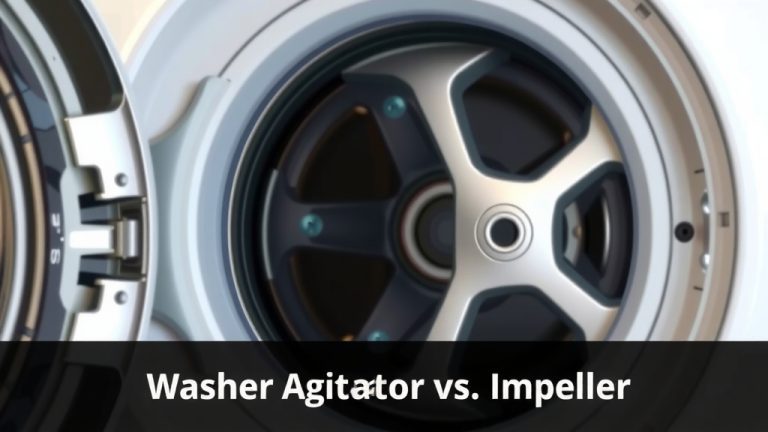
Think of a top-loader as the familiar workhorse. You toss your clothes into a basket that sits vertically. An agitator, a central post with fins, or an impeller at the bottom moves your clothes around in a tub filled with water. This action scrubs the dirt away. Many find this method straightforward and easy to get used to.
Front Loaders: The Tumbling Method
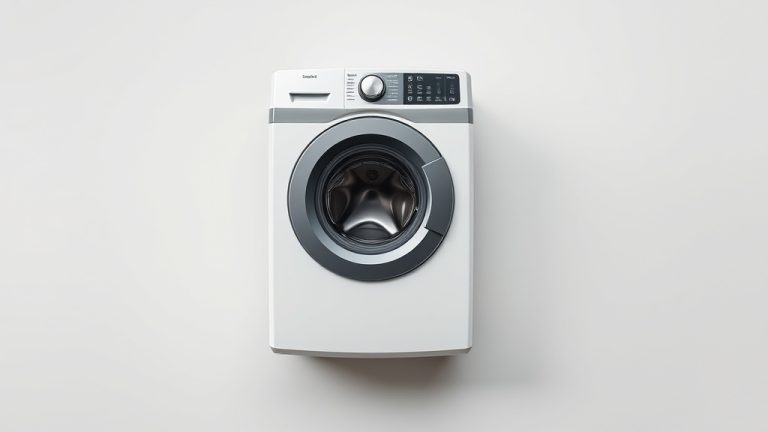
Front-loaders operate more like a dryer. Clothes are placed in a drum that lies horizontally. The drum tumbles the clothes, lifting them and then dropping them into the water. This tumbling action is generally considered gentler on fabrics. It also uses less water because the drum only needs to fill partially to moisten the clothes for tumbling.
Performance and Cleaning Power
Gentle on Fabrics
If you have delicate items or want your clothes to last longer, a front-loader often gets the nod. The tumbling action is less abrasive than the churning of a top-loader, especially those with a central agitator. We found that many consumer reports suggest front-loaders perform better in protecting clothing fibers from wear and tear over time.
Tough on Stains
When it comes to stubborn stains, both types can be effective. However, front-loaders often incorporate specialized wash cycles and higher spin speeds. These higher speeds extract more water, leading to shorter drying times. Some research indicates that the increased agitation and water saturation in certain top-loader cycles can be very effective for heavily soiled items, but potentially at the cost of fabric wear.
Efficiency: Water and Energy Usage
Water Savings
One of the biggest advantages of front-loaders is their water efficiency. Because the drum only needs to partially fill, they use significantly less water per load compared to most top-loaders. We found that this can amount to hundreds of gallons saved per year per household. This is great for your budget and the environment.
Energy Consumption
The reduced water usage in front-loaders also translates to energy savings. Less water means less water to heat, which is a major energy draw for washing machines. Additionally, front-loaders typically use high-speed spin cycles to remove more water. This means your dryer runs for a shorter period, saving even more energy. Many energy efficiency guidelines recommend front-loaders for their lower overall energy footprint (U.S. Department of Energy).
Capacity and Loading Convenience
Drum Size Matters
When it comes to fitting bulky items like comforters or large loads, capacity is key. Many newer top-loaders, especially those without a central agitator (impeller models), offer very large capacities. Front-loaders also boast large drums. It’s important to check the cubic feet measurement to compare capacities accurately. You might be surprised by how much some of the latest models can hold.
Ease of Loading and Unloading
This is where personal preference really comes into play. For many, the ease of loading a top-loader is a significant factor. You don’t have to bend over to reach into the drum. This is particularly beneficial for individuals with back issues or mobility limitations. Simply drop your clothes in from a standing position. Front-loaders require bending, though many users opt for pedestals to raise the machine and alleviate this issue.
Ergonomics of Unloading
Unloading can be a different story. Reaching deep into a large-capacity top-loader can be challenging for shorter individuals. Conversely, some find it easier to retrieve clothes from a front-loader, especially if they don’t have to bend too deeply. It’s worth trying to load and unload both types in a store if possible.
Cost: Upfront vs. Long-Term
Initial Purchase Price
Generally, top-loading washing machines tend to have a lower upfront cost than their front-loading counterparts. You can often find a basic, reliable top-loader for several hundred dollars less than a comparable front-loader. This makes them an attractive option if you’re on a tighter initial budget.
Long-Term Savings
However, when you factor in water and energy bills, front-loaders can offer significant long-term savings. Over the lifespan of the appliance, the reduced utility costs can often offset the higher initial purchase price. Many studies show that the savings can add up to hundreds of dollars over 10-15 years of use (Consumer Reports).
Maintenance and Potential Issues
Mold and Odor Concerns
A common issue reported with front-loaders is the potential for mold and mildew buildup, especially around the door seal. This is often due to water getting trapped. However, manufacturers have implemented better designs and features to combat this. Leaving the door ajar after use and running regular cleaning cycles are key preventative measures. Many guidelines suggest wiping down the seal periodically (Cleveland Clinic).
Cycle Times
Front-loader wash cycles can sometimes be longer than those on top-loaders. This is because the tumbling action takes more time to complete. However, as mentioned, the high spin speeds often make up for this in the drying stage. Top-loaders, especially older agitator models, can be much quicker for a standard wash cycle.
Making Your Choice: A Quick Checklist
To help you summarize, consider these points:
- Do you want the lowest upfront cost?
- Is water and energy efficiency a top priority?
- Do you prefer not to bend over to load laundry?
- Are your clothes prone to wear and tear from washing?
- Do you have limited space that might benefit from stacking (front-loaders often stack)?
- How much time do you want to spend on machine maintenance?
Conclusion
You’ve explored the key differences between top-load and front-load washing machines. Remember, front-loaders generally offer better efficiency and fabric care, leading to long-term savings. Top-loaders often win on upfront cost and ease of loading for some users. Your perfect washer depends on your priorities like budget, utility bills, and how you do your laundry. Now, take a moment to list what matters most to you. Then, you’ll be ready to choose the machine that fits your lifestyle best!
Frequently Asked Questions
Are front loaders worth the extra cost?
For many households, yes. While front-loaders have a higher initial price, their superior water and energy efficiency can lead to substantial savings on utility bills over the machine’s lifespan. Consumer reports often show these long-term savings can offset the upfront expense.
Can top loaders be energy efficient?
Yes, particularly newer impeller models. While traditional agitator top-loaders tend to use more water, many modern top-loaders have improved their efficiency. However, front-loaders still generally hold the edge in overall water and energy savings, according to many studies.
Which type is better for people with back pain?
If bending down is difficult, a top-loader is often preferred for its easier loading. You don’t need to reach into the drum. Many people with back issues find this standing load and unload method much more comfortable for their routine.
Do front loaders take longer to wash clothes?
Front-loader wash cycles can sometimes be longer than top-loader cycles. However, their high-speed spin cycles remove more water, which can significantly reduce drying time. This often balances out the longer wash duration.
How do I prevent mold in my front loader?
To avoid mold and odors in a front-loader, make sure to leave the door ajar between washes. Regularly wipe down the door seal with a cloth. Running a cleaning cycle with hot water and vinegar or a specialized cleaner every month also helps keep it fresh.