Top Load vs Side Load Washer: Which Is Best For You
When deciding between a top-loading and a front-loading washing machine, the choice often comes down to your budget and space. Front-loaders typically offer superior cleaning performance and water efficiency, but they come with a higher initial cost and can require more bending to load. Top-loaders are generally more affordable and easier to access.
Many people wonder about the differences in cleaning power and energy consumption between these two styles. We found that front-loaders often use less water and energy because they rely on gravity and a tumbling action to clean clothes. Top-loaders, especially older models, can use more water and may be gentler on certain fabrics.
- Front-loaders clean better and use less water.
- Top-loaders are cheaper and easier to load.
- Consider your laundry habits and physical needs.
- Budget and available space are key factors.
- Both have pros and cons for different households.
Let’s break down the main differences between top-loading and front-loading washing machines so you can pick the best one for your home.
Choosing Between Top-Load and Front-Load Washers
Deciding on a new washing machine can feel like a big choice. You want something that cleans your clothes well, fits your budget, and makes laundry day a little easier. Two main types dominate the market: top-loading and front-loading machines. We’ve looked at how they work and what makes them different, and found that each has its own set of benefits and drawbacks. Your personal needs and preferences will really guide you to the right pick.
How Top-Loaders Work: The Classic Choice
Top-loading washing machines have been a staple in homes for decades. They’re known for their simplicity and ease of use. You simply open the lid on top and toss your clothes in. No bending down required!
The Agitator vs. Impeller Debate
Inside a top-loader, you’ll typically find one of two things: an agitator or an impeller. An agitator is a tall, central post with fins that twists and turns. It rubs against your clothes to help loosen dirt. We found that agitator models can be tougher on fabrics, sometimes leading to more wear and tear over time. They also tend to use more water because they need to fill the tub completely to cover the agitator.
Impeller models, also called high-efficiency (HE) top-loaders, use a cone-shaped or disc-like mechanism at the bottom of the tub. This impeller spins, creating currents that move clothes through the water. Many experts say this method is gentler on clothes than an agitator. Plus, they usually use less water because they don’t need a full tub to operate effectively.
Pros and Cons of Top-Loaders
So, what’s great about top-loaders? They are generally less expensive to buy upfront. Many people also find them easier to load and unload since you don’t have to bend over. You can usually add forgotten items mid-cycle without an issue, which is a nice convenience. On the flip side, we found that top-loaders, especially agitator models, may not clean as thoroughly as front-loaders for heavily soiled items. They can also use more water and energy overall, depending on the model and its efficiency rating.
Exploring Front-Loaders: The Modern Powerhouse
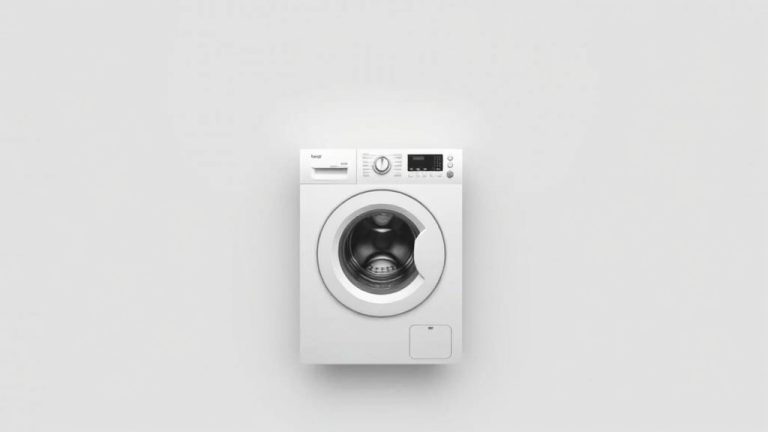
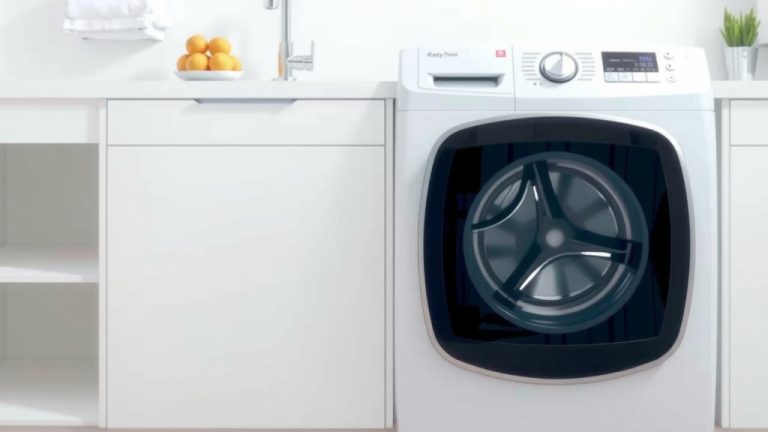
Front-loading washing machines have gained popularity for their impressive cleaning abilities and efficiency. You load clothes through a door on the front of the machine. It might seem like a small difference, but this design plays a big role in how they clean.
The Tumbling Action: Gentle Yet Effective
Instead of using an agitator or impeller, front-loaders rely on a tumbling action. The drum rotates, lifting clothes and dropping them back into the water and detergent. This motion, combined with gravity, forces water and soap through the fabric. Research and findings often point to this method as being exceptionally effective at removing dirt and stains. It’s also much gentler on your garments. Many sources suggest this is why clothes can last longer when washed in a front-loader.
Water and Energy Savings
One of the biggest advantages of front-loaders is their efficiency. They use significantly less water than most top-loaders because the drum only needs to be partially filled. This also means they use less energy to heat the water. We found that this can lead to noticeable savings on your utility bills over time. Energy Star certified front-loaders are particularly good at minimizing resource consumption.
Potential Downsides to Consider
While front-loaders offer excellent cleaning, they do come with a few considerations. The initial purchase price is often higher than that of a top-loader. Loading and unloading requires bending down, which can be a challenge for some individuals. You also typically can’t add extra items once the cycle has started, as the door locks for safety and efficiency. Some users also report a tendency for mold or mildew to develop around the door seal if not properly maintained. Regularly wiping this area and leaving the door ajar after use can help prevent this.
| Feature | Top-Loader (Agitator) | Top-Loader (Impeller) | Front-Loader |
|---|---|---|---|
| Initial Cost | Lowest | Medium | Highest |
| Cleaning Performance | Good, but can be rough | Very Good | Excellent |
| Water Usage | High | Medium | Low |
| Energy Usage | High | Medium | Low |
| Gentle on Clothes | Fair | Good | Excellent |
| Ease of Loading | Easiest | Easy | Requires Bending |
| Cycle Time | Fastest | Medium | Longest |
What We Found About Cycle Times and Spin Speeds
When you’re busy, every minute counts. We looked at how quickly these machines get the job done. Top-loading machines, especially those with agitators, often have the shortest wash cycles. They can complete a load in as little as 30 minutes. Impeller top-loaders and front-loaders typically have longer cycles, often ranging from 50 minutes to well over an hour.
However, longer cycle times in front-loaders are often linked to their high-speed spin cycles. These machines can spin much faster than top-loaders, extracting more water from your clothes. This means your laundry comes out noticeably drier, which can cut down on drying time and save energy when using a dryer. Many findings suggest this increased efficiency can offset the longer wash times.
Making Your Final Decision: A Quick Checklist
Choosing the right washing machine really depends on what matters most to you. Here’s a quick way to think it through:
- Budget: How much do you want to spend upfront?
- Space: Do you have room for a specific type or size?
- Physical Needs: Is bending down difficult for you?
- Laundry Habits: How often do you do laundry, and what types of items do you wash?
- Efficiency Goals: Are you trying to save on water and energy bills?
- Clothing Care: How important is it to keep your clothes looking newer for longer?
By considering these points, you can narrow down your options and pick a washing machine that truly fits your life and your laundry.
Conclusion
Choosing between a top-loader and a front-loader boils down to your priorities. If budget and ease of loading are top concerns, a top-loader might be your best bet. For superior cleaning and energy savings, a front-loader often wins out, despite its higher upfront cost and need for bending. We found that considering your physical needs and laundry habits helps make the decision clearer. Ultimately, the best machine is the one that fits your lifestyle and budget. Take a moment to review your needs before you shop!
Frequently Asked Questions
Which type of washer is better for heavily soiled clothes?
Research and findings often point to front-loading washing machines offering superior cleaning performance for tough stains. Their tumbling action and gravity-assisted cleaning force water and detergent through fabrics more effectively than most top-loaders.
Can I add clothes to a front-loader mid-cycle?
Generally, you cannot add clothes to a front-loader once the cycle has begun. The door locks for safety and to maintain water levels. Some newer models might offer a brief window, but it’s not a common feature.
Are HE top-loaders really as efficient as front-loaders?
High-efficiency (HE) top-loaders use less water than traditional agitator models and are more efficient than older top-loaders. However, front-loaders typically still use less water and energy overall due to their advanced tumbling technology and faster spin speeds.
Which type of washer spins clothes drier?
Front-loading washing machines generally have much higher spin speeds. This extracts more water from your clothes, meaning they come out drier and require less time in the dryer, saving you energy.
How can I prevent mold or mildew in my front-loader?
To prevent mold and mildew in your front-loader, we recommend regularly wiping down the door seal. Always leave the door ajar between washes to allow moisture to escape. Running a cleaning cycle periodically also helps.