HE vs. Traditional Washer: Which Is Best for Your Laundry Needs
When choosing a new washing machine, you’re likely weighing a traditional washer against a High-Efficiency (HE) washer. Generally, HE washers are the better choice for most households because they use less water and energy while still cleaning clothes effectively. They also tend to be gentler on fabrics and offer larger capacities than older, traditional models.
The main difference lies in how they use water. Traditional washers fill the entire tub, while HE washers use a fraction of the water to tumble clothes. This water-saving aspect makes HE models more environmentally friendly and can lead to lower utility bills over time. Many find the cleaning performance of HE machines to be just as good, if not better, than their older counterparts.
- HE washers save water and energy.
- They are often gentler on clothes.
- HE machines typically offer larger capacities.
- Traditional washers use more water by filling the tub.
- Consider your budget and specific laundry needs.
Let’s break down the key differences between traditional and HE washers so you can make the best decision for your home.
Traditional vs. HE Washers: What’s the Real Difference?
So, you’re in the market for a new washing machine. It can feel like a big decision, right? You’ve probably heard the terms “traditional washer” and “HE washer” thrown around. Let’s clear up what those mean for your laundry day.
How Traditional Washers Work
Think of a traditional washer like a giant washing bucket. It’s designed to fill up completely with water for every wash cycle. Your clothes then get tossed around in this big pool of water, often with an agitator in the middle. This is the classic top-load design most people grew up with.
The Agitator’s Role
That central post, the agitator, is key to how traditional washers clean. It twists and turns, rubbing against your clothes to help loosen dirt. While it’s effective at scrubbing, research suggests it can also cause more wear and tear on fabrics over time.
Water Consumption: The Big Drawback
The main characteristic of a traditional washer is its thirst for water. To get those clothes clean, it needs a lot of water to cover everything. This means they use significantly more water per load compared to HE models. We found that older, traditional machines can use anywhere from 30 to 45 gallons of water per cycle.
Understanding High-Efficiency (HE) Washers
HE washers are the newer kids on the block. They’re engineered to use much less water. Instead of filling the tub, they use a tumbling action. Clothes are lifted and dropped, allowing the water and detergent to penetrate more effectively with less liquid.
Top-Load HE vs. Front-Load HE
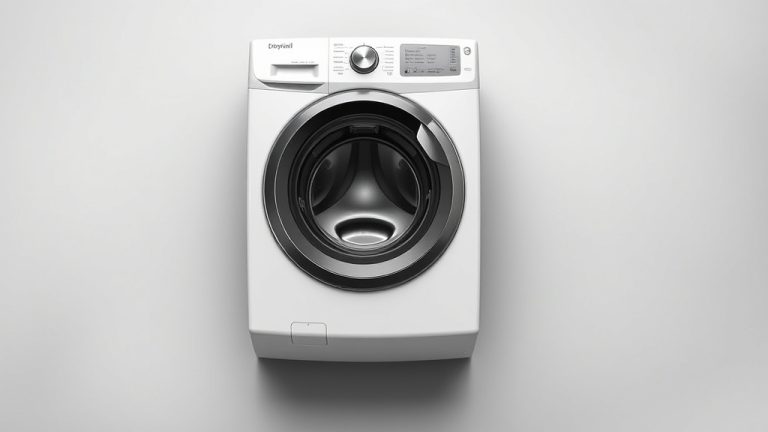
You’ll find HE washers in both top-load and front-load designs. Front-load HE machines are perhaps the most well-known for their efficiency. They use gravity and tumbling to move clothes through a shallow pool of water. Top-load HE machines often have a low-profile impeller at the bottom, which gently moves clothes around instead of a tall agitator.
The HE Water-Saving Mechanism
The magic of an HE washer lies in its ability to work with minimal water. Many experts note that HE washers can use as little as 10 to 25 gallons of water per load. This dramatic reduction in water usage is a major selling point. It’s better for your wallet and the planet!
Gentle on Fabrics
Because HE washers don’t rely on harsh agitation or over-filling with water, they are generally much gentler on your clothes. This means your favorite sweaters and delicate items might last longer. Less rubbing and soaking can mean less stretching and snagging.
Performance and Cleaning Power
Now, let’s talk about the elephant in the room: do HE washers actually clean as well? The short answer is usually yes, and often better. When HE machines first came out, some users weren’t convinced. However, technology has improved significantly.
How HE Cleans Effectively with Less Water
HE machines use smarter wash actions. They have sensors to detect the load size and adjust water levels accordingly. The tumbling action helps to rub clothes against each other, which can be just as effective as an agitator. Many studies have shown comparable or even superior stain removal in HE models.
Detergent Matters for HE Washers
One key thing to remember with HE washers is using the right detergent. You absolutely must use HE detergent. These are low-sudsing formulas. Regular detergent creates too many suds in the limited water, which can interfere with the cleaning process and even damage your machine.
Capacity and Convenience
When you’re looking at washing machines, capacity is often a big factor. Are you washing clothes for a big family or just yourself?
Larger Loads in HE Machines
Many HE washers, especially front-loaders, boast larger drum capacities. This means you can wash bigger loads, or bulky items like comforters, more easily. You might find yourself doing fewer loads of laundry each week, saving you time and energy.
Cycle Times and Features
Cycle times can sometimes be longer on HE machines, particularly for deep cleaning or sanitizing. However, most offer quick wash cycles for lightly soiled items. You’ll also find a wide range of smart features, steam cycles, and specialized options on many HE models.
Cost and Energy Savings
Let’s talk about your budget and what makes sense long-term.
Upfront Cost Comparison
Generally, traditional washers tend to have a lower upfront purchase price. They are simpler machines, and you can often find basic models for less. HE washers, with their advanced technology and water-saving features, typically cost more initially.
Long-Term Savings: Water and Energy Bills
However, the savings with HE washers come over time. Because they use so much less water and energy, your utility bills will likely be lower. Many government energy programs also offer rebates for purchasing Energy Star-certified HE appliances. Over the lifespan of the machine, an HE washer can often pay for itself in savings.
Making Your Choice: A Quick Checklist
Still on the fence? Here’s a quick rundown to help you decide:
- Do you want to save water and energy? Go HE.
- Do you have a large family or lots of bulky items? HE usually offers bigger capacity.
- Are you concerned about fabric wear and tear? HE is generally gentler.
- Do you need the lowest possible upfront cost? A traditional washer might be cheaper initially.
- Are you okay with using a specific HE detergent? Essential for HE machines.
- Do you prefer simpler, more familiar operation? Traditional models are straightforward.
Conclusion
You’ve learned the key differences between traditional and HE washers. HE models lead the way in water and energy savings. They’re also often gentler on your clothes and offer larger capacities for busy households. While traditional washers may have a lower upfront cost, HE washers provide long-term savings on your utility bills. Make your choice based on your laundry needs and budget.
Consider taking a look at HE washer models online or at local appliance stores to compare features. This will help you find the perfect fit for your home.
Frequently Asked Questions
Do HE washers really clean clothes as well as traditional ones?
Yes, research and user experience show that HE washers clean effectively. They use advanced tumbling actions and sensors to optimize cleaning with less water. Many find their stain removal performance to be comparable or even superior to traditional models.
Can I use regular detergent in my HE washer?
No, you absolutely must use HE-specific detergent in your High-Efficiency washer. Regular detergents create too many suds, which can hinder the cleaning process and potentially damage the machine. Always look for the “HE” symbol on detergent packaging.
Are HE washers always more expensive than traditional washers?
Generally, HE washers have a higher upfront purchase price due to their advanced technology. However, they often pay for themselves over time through significant savings on water and energy bills. Rebates may also be available for energy-efficient models.
Which type of washer is better for delicate clothing?
HE washers are typically gentler on fabrics compared to traditional agitator models. Their lower water levels and tumbling actions reduce the wear and tear on clothes. This makes them a better choice if you frequently wash delicate items.
Are HE top-load washers as efficient as front-load HE washers?
Both HE top-load and front-load washers use significantly less water than traditional machines. Front-load HE models are known for their exceptional water and energy efficiency. However, modern HE top-load washers with impellers also offer substantial savings and improved fabric care over older traditional designs.