Vented vs Condensing Dryer: Which is Right for You
Choosing between a vented vs. condensing dryer depends on your home’s setup and your priorities. Vented dryers are generally less expensive upfront and simpler, expelling moist air through a vent. Condensing dryers offer more flexibility as they don’t need an external vent, but they can take longer to dry clothes and may use more energy.
We found that while both dryer types get your clothes dry, the installation requirements are quite different. A vented dryer needs a clear path for its exhaust hose. A condensing dryer, on the other hand, collects moisture, which you’ll need to empty regularly from a drawer or drain. Understanding these core differences is key to making the right choice for your laundry room.
- Vented dryers are common and easier to install.
- Condensing dryers don’t need an outside vent.
- Condensing dryers collect water that needs emptying.
- Condensing models might take longer to dry.
- Your home’s layout will guide your decision.
Let’s dive into the specifics of each type to help you decide which dryer will work best for your household.
Understanding Your Dryer Options: Vented vs. Condensing
Deciding between a vented and a condensing dryer is a common laundry room puzzle. Both get your clothes dry, but they do it in very different ways. We’ve looked into the pros and cons to help you figure out which fits your home best. It really boils down to how much flexibility you need and what your home can accommodate.
How Vented Dryers Work
Vented dryers are the classic choice for many households. They function by pulling air from your laundry room, heating it, and then blowing that hot air through your wet clothes. As the air picks up moisture from the clothes, it becomes damp. This moist air is then pushed out of your home through a special vent hose. Think of it like a mini-furnace that needs a chimney to let out the exhaust.
Installation Needs for Vented Dryers
The biggest factor for a vented dryer is that venting hose. This hose needs to run from the back of your dryer to an outside wall or window. You’ll need to make sure there’s a clear path for it. This usually means drilling a hole through a wall or using an existing window vent. Some people find this a bit of a hassle, especially if they live in an apartment or a home with limited exterior access. We found that a short, straight vent run is best for drying efficiency.
Pros and Cons of Vented Dryers
On the plus side, vented dryers are generally less expensive to buy. They are also often quicker at drying clothes because they expel moist air so directly. Many people are familiar with them, and they’re quite straightforward to use. However, the need for that vent is their main limitation. If you can’t easily vent outside, this type of dryer isn’t an option. We also found that over time, lint can build up in the vent, which is a potential fire hazard if not cleaned regularly (National Fire Protection Association).
Exploring Condensing Dryers
Condensing dryers offer a different approach. Instead of expelling moist air outside, they condense the moisture from the clothes into water. This water is then collected in a removable drawer inside the dryer. Some models can even be plumbed directly to a drain, so you don’t have to empty the drawer manually. This makes them incredibly flexible for placement. You can put them almost anywhere – in a closet, under a counter, or even in a bathroom, as long as you have a power source and a place for the water to go.
How Condensing Dryers Handle Moisture
The magic happens inside the machine. Warm, moist air from the drying drum passes over a cooler surface, like a heat exchanger. This cooling causes the water vapor to turn back into liquid water. This collected water needs to be dealt with. You’ll need to empty the water tank regularly, typically after every load or two. For those who dislike this chore, a direct drain option is available on many models. We found that some people actually appreciate the built-in water collection as it’s easy to see exactly how much moisture was removed from your clothes.
Vented vs. Condensing: Drying Times and Energy Use
One area where condensing dryers often differ from vented ones is drying time. Because they work by condensing moisture, they can sometimes take a bit longer to dry a full load of laundry. This is especially true for older or simpler models. Regarding energy use, it’s a bit of a mixed bag. Modern condensing dryers, especially those with heat pump technology, are very energy-efficient. However, older or non-heat pump models can sometimes use more electricity than a comparable vented dryer. Many sources suggest that heat pump dryers are the most energy-efficient option overall, regardless of venting type (U.S. Department of Energy).
Installation Simplicity of Condensing Dryers
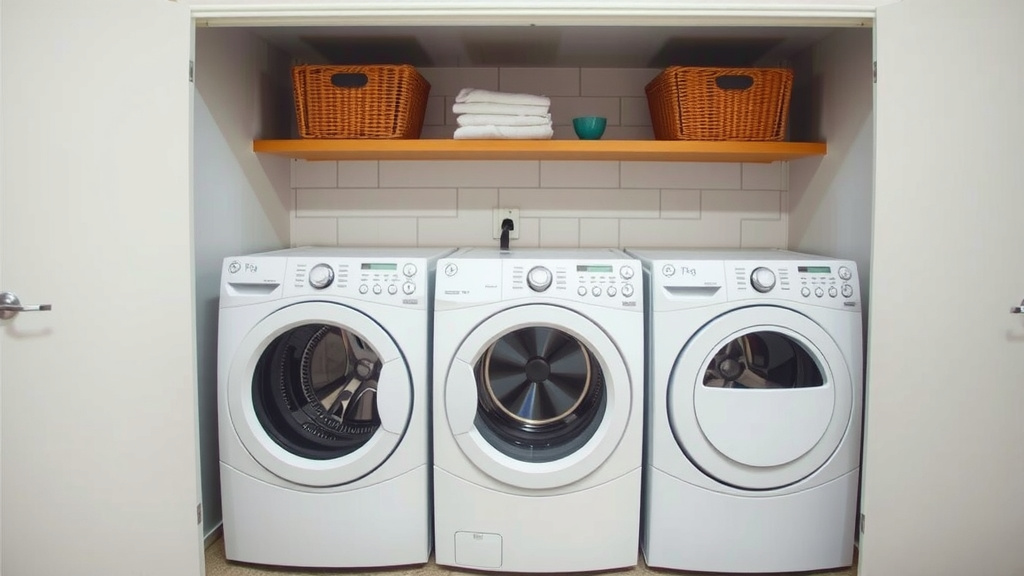
The main draw for condensing dryers is their simple installation. No venting hose means no drilling holes or struggling with awkward tube placements. This makes them a perfect solution for renters or homeowners who want their dryer in a spot without an external vent. You just need a standard electrical outlet. We found that the ease of setup is a major selling point for many consumers.
Key Differences at a Glance
To help you visualize the choice, let’s break down the core differences in a simple table. This should make it easier to see which features align with your needs.
| Feature | Vented Dryer | Condensing Dryer |
|---|---|---|
| Moisture Removal | Expelled outside via vent hose | Condensed into water and collected in a tank (or drained) |
| Installation | Requires external vent connection | No external vent needed; needs power and drainage or manual tank emptying |
| Placement Flexibility | Limited to areas with vent access | High; can be placed almost anywhere |
| Initial Cost | Generally lower | Can be higher, especially for heat pump models |
| Drying Time | Often faster | Can be slower, but heat pump models are efficient |
| Maintenance | Regular vent cleaning to prevent lint buildup | Regularly empty water tank (unless plumbed to drain) |
Which Dryer is Right for Your Home?
When it comes to making the final decision, think about your living situation. Do you own your home and have the ability to install an exterior vent easily? A vented dryer might be your go-to. Are you renting, or do you have limited space for venting? A condensing dryer is likely your best bet. We found that many people choose based on the convenience of installation above all else.
Making the Smart Choice for Your Laundry Room
Here’s a quick checklist to guide your thought process:
- Can I easily vent outside? If yes, vented is an option.
- Do I need maximum placement flexibility? If yes, consider condensing.
- What’s my budget for the appliance? Vented is often cheaper upfront.
- Am I okay with emptying a water tank? If not, look for plumbed condensing models.
- How important is the fastest drying time? Vented can sometimes be quicker.
- Is energy efficiency a top priority? Heat pump condensing dryers excel here.
Conclusion
Choosing between a vented and a condensing dryer really comes down to your home’s unique setup and your personal preferences. If you can easily vent outside and are looking for a budget-friendly option that dries quickly, a vented dryer is a solid choice. If you need flexibility in where you place your dryer or can’t vent externally, a condensing model is likely your best bet, especially if you opt for a heat pump version for top energy efficiency. Before you buy, think about your laundry room’s limitations and what chore you’d rather tackle: venting or emptying a water tank. Weigh these factors carefully to make the best decision for your household’s laundry needs.
Frequently Asked Questions
Can a condensing dryer be used without emptying the water tank?
Yes, many condensing dryers offer a direct drain option. This allows you to connect the dryer to a household drain, so the collected water is automatically removed. If your model doesn’t have this feature, you’ll need to regularly empty the water tank yourself.
Will a condensing dryer make my laundry room hotter?
Condensing dryers do release some heat, but generally less than vented dryers because they aren’t expelling hot, moist air directly into the room. Heat pump models are the most efficient and release the least amount of heat.
Are heat pump dryers the same as condensing dryers?
Heat pump dryers are a type of condensing dryer that uses a heat pump system to heat the air. They are known for being highly energy-efficient and gentle on clothes. While all heat pump dryers are condensing dryers, not all condensing dryers use heat pump technology.
How often should I clean the lint filter on my dryer?
You should clean the lint filter after every single use, regardless of whether you have a vented or condensing dryer. A clogged lint filter reduces drying efficiency and can be a fire hazard for vented dryers.
Which type of dryer is better for a small apartment?
For a small apartment, a condensing dryer is often the better choice. Its lack of need for external venting means you have much more flexibility in placement, which is ideal for limited spaces. You’ll just need access to a power outlet and a place for the water to go.