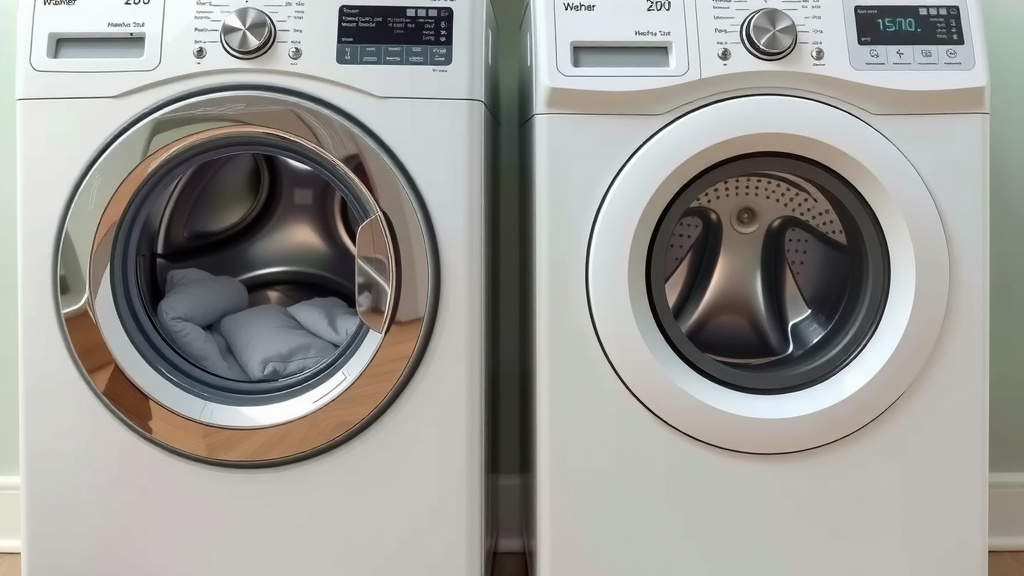
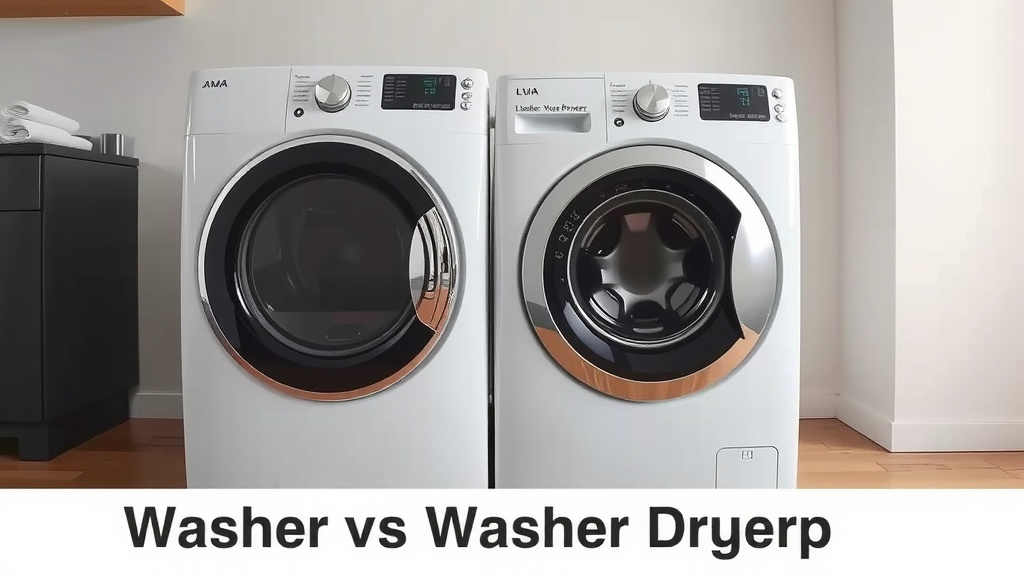
Washer vs Washer Dryer: Which is Right for You
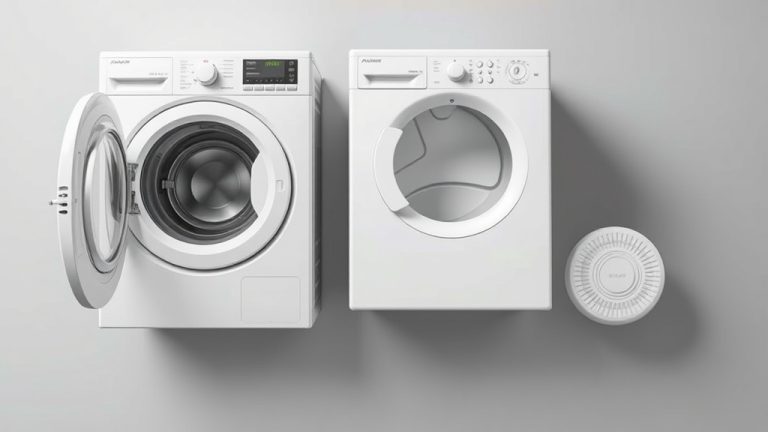
Choosing between a washer and a washer-dryer combo depends on your space and laundry habits. A washer-dryer combo washes and dries in a single unit, making it ideal for small spaces. A traditional washer and dryer require two separate machines but often offer larger capacities and faster cycles.
When comparing a washer versus a washer-dryer, consider your priorities. If convenience and saving floor space are key, a combo unit shines. If you have more room and need to handle larger loads quickly, separate units might be better. We found that many users love the all-in-one nature of combos for apartments.
- Washer-dryer combos save space and offer all-in-one convenience.
- Separate washer and dryer units usually have larger capacities.
- Combos can take longer to dry than traditional dryers.
- Separate units require more installation space.
Let’s break down the pros and cons of each to help you make the best choice for your home.
“`htmlConsidering Your Laundry Setup: Separate Machines vs. All-in-One
When you’re looking at your laundry room, you’ve got a couple of main paths to choose from. You can go with the traditional route of having a separate washer and a separate dryer. Or, you might be eyeing one of those newer washer-dryer combo units. We’ve found that the decision really boils down to a few key factors. Your available space is a big one. How much laundry do you do, and how quickly do you need it done? Let’s get into the nitty-gritty.
The Case for Separate Washer and Dryer Units
This is the setup most of us grew up with. You have one machine that washes your clothes and another machine that dries them. It’s a tried-and-true system. Many people stick with this because it’s familiar and generally offers some pretty solid advantages, especially if you’re dealing with larger households or heavy laundry days. This is the setup most of us grew up with, a traditional top-loading washing machine.
Capacity and Speed: The Big Benefits
One of the biggest wins for separate units is their capacity. Washers and dryers designed for individual tasks can often handle larger loads. Think about those king-size comforters or the mountains of towels from a busy family. Separate machines can usually tackle these bigger jobs with ease. Plus, they’re built for speed. A dedicated dryer can often dry a load much faster than a combo unit. This means you can get through your laundry pile quicker.
Efficiency and Performance
Because each machine is optimized for its specific job, you often get better cleaning and drying performance. Washers are designed to get clothes truly clean, and dryers are designed to remove moisture effectively and efficiently. Many experts point to separate units offering more advanced wash cycles and drying technologies (Consumer Reports). This means your clothes might last longer and look better over time.
What About the Downside?
The main drawback here is pretty obvious: space. You need enough room to house two separate appliances. This means more floor space, and potentially more hookups for water, drainage, and electricity. If you have a postage-stamp-sized laundry closet, two machines might simply not fit. You also have the initial cost of buying two appliances, which can be higher than a single combo unit.
The Appeal of Washer-Dryer Combos
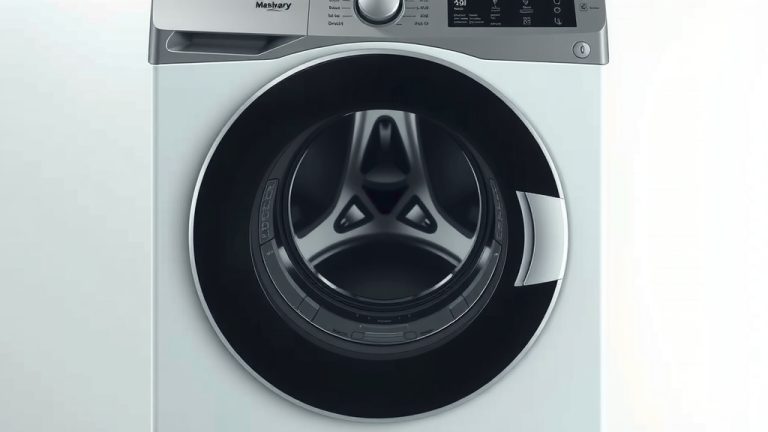
Washer-dryer combos, also known as all-in-one units, have really gained popularity, especially among those living in apartments or smaller homes. They offer a sleek, space-saving solution. You load your dirty clothes in, and a few hours later, they come out clean and dry.
Space-Saving Champion
This is where combos truly shine. If you’re short on square footage, a combo unit is a lifesaver. You only need space for one appliance. Many are designed to fit under countertops or in small alcoves. This makes them perfect for urban living or for those who simply want to maximize their living area. You can often install them where you might only have room for a single machine (Apartment Therapy).
Convenience is King
The convenience factor is huge. You don’t have to transfer wet clothes from the washer to the dryer. You just set it and forget it. This is a big plus for busy individuals or families. Imagine starting a load before you leave for work and coming home to clean, dry clothes ready to be put away. It simplifies the entire laundry process.
Understanding the Trade-offs
While convenient, combos do have their limitations. As mentioned, drying time is often longer. Because the unit needs to vent the moisture and cool down between cycles, a full wash and dry cycle can take several hours. Also, the capacity of most combo units is smaller than separate machines. If you have large loads, you might find yourself doing multiple cycles, which can negate some of the time savings. Some studies suggest that the drying effectiveness may not be as thorough as a dedicated dryer (Energy Star).
Comparing Key Features in a Table
To help you visualize the differences, let’s look at a quick comparison:
| Feature | Separate Washer & Dryer | Washer-Dryer Combo |
|---|---|---|
| Space Needed | Two appliances, more floor space | One appliance, very space-efficient |
| Capacity | Generally larger | Generally smaller |
| Drying Time | Faster per load | Slower per cycle |
| Convenience | Requires transferring clothes | All-in-one, load and go |
| Installation | More hookups required | Fewer hookups, often simpler |
| Cost (Initial) | Potentially higher for two units | Potentially lower for one unit |
Who is Each Type Best For?
So, who should lean one way or the other? We’ve found some clear patterns emerge.
Who Needs Separate Units?
If you have a larger family or tend to do big laundry loads, separate units are likely your best bet. People who prioritize speed and want the most efficient drying performance will also prefer dedicated machines. If you have the space and aren’t overly concerned about maximizing every inch, the traditional setup is a solid choice. Think of busy households with lots of sports uniforms or frequent bedding changes.
Who Benefits from a Combo Unit?
If you live in an apartment, a small condo, or just have limited laundry space, a combo unit is probably your dream come true. It’s also fantastic for individuals or couples who don’t generate massive amounts of laundry. Those who value ultimate convenience and the “set it and forget it” approach will love it. It’s also a great option for a guest house or a second laundry area.
Installation Considerations
Don’t forget about installation. Both types require proper hookups. Separate units need connections for hot and cold water, drainage, and a power outlet (and sometimes a special high-voltage outlet for electric dryers). Combo units usually need similar connections but might have slightly simpler requirements since it’s just one machine.
Ventless vs. Vented Dryers (in Combos)
It’s worth noting that many washer-dryer combos are ventless. This means they don’t require an external vent. They condense the water from your clothes into a reservoir or drain it directly. This offers installation flexibility but can sometimes lead to longer drying times and potentially slightly higher energy use compared to vented dryers (Department of Energy). Make sure you understand which type you’re looking at.
Making Your Final Decision: A Quick Checklist
Still on the fence? Ask yourself these questions:
- How much laundry do I do each week? (Big loads vs. small loads)
- How much space do I realistically have? (Measure carefully!)
- How important is speed to me? (Quick dry vs. patience)
- What’s my budget for a new appliance?
- Do I want a true “set it and forget it” experience?
- Can my home accommodate the hookups needed?
Conclusion
Deciding between separate laundry units and a washer-dryer combo comes down to your unique needs and living situation. If you have a large family or tackle big loads, separate machines offer superior capacity and faster drying times. For those with limited space or who prioritize ultimate convenience, a combo unit is an excellent, space-saving choice. We’ve found that by considering your laundry volume, available space, and how quickly you need clothes dried, you can confidently select the best system for your home. Take a moment to measure your space and review your typical laundry routine before making your final purchase.
Frequently Asked Questions
Can a washer-dryer combo handle a full load of towels?
Typically, a washer-dryer combo has a smaller drum capacity than separate machines. While it can wash towels, drying a full load might take significantly longer or may not be as effective. You might need to dry towels in multiple cycles for optimal results.
Do washer-dryer combos use more energy than separate units?
It depends on the specific models and how you use them. Combos often use less water because they are designed for smaller loads. However, the longer drying cycles can sometimes consume more electricity than a dedicated dryer.
How often do I need to clean a washer-dryer combo?
You should clean your washer-dryer combo regularly, just like separate units. This includes cleaning the lint filter after each dry cycle, wiping down the door seal, and running a cleaning cycle for the drum monthly to prevent mold and odors.
What if my washer-dryer combo’s drain hose is too short?
If the drain hose is too short, you can often purchase an extension hose specifically designed for washing machines. Ensure the extension is compatible with your unit and installed correctly to prevent leaks and ensure proper drainage.
Are washer-dryer combos noisy compared to separate machines?
Noise levels can vary greatly by model. Some washer-dryer combos are designed to be quiet, especially those with inverter motors. However, the spinning and drying process can still produce some noise, similar to separate units.