Top Load Agitator vs Impeller: Which is Better
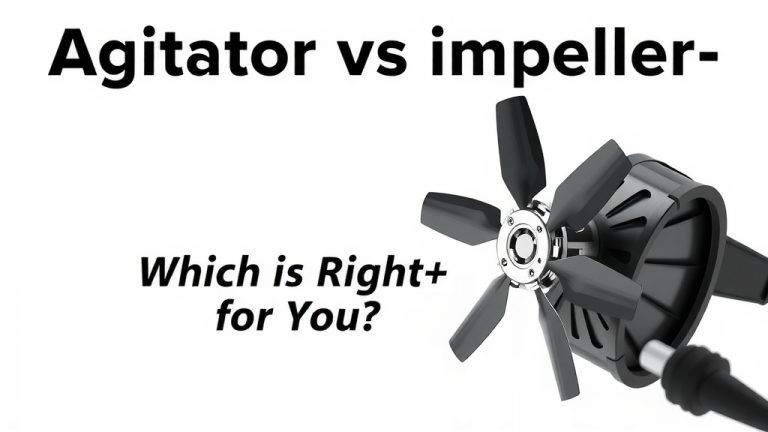
When choosing a washing machine, the core difference between a top load agitator and an impeller lies in how they clean your clothes. Agitator models use a central post to twist and turn garments, while impeller models feature a low-profile cone or disc that spins clothes gently. For most laundry needs, an impeller washer offers a gentler, more spacious clean.
We found that the agitator style can be rougher on fabrics, leading to more wear and tear over time. Impeller washers, on the other hand, tend to be more energy-efficient and offer a larger capacity. Many consumers prefer the gentler washing action of impellers for delicates and everyday loads. Understanding these differences can help you pick the best machine for your home.
- Agitators twist clothes around a central post.
- Impellers use a spinning disc for gentle cleaning.
- Impellers often provide more space for larger loads.
- Agitators can be harsher on fabrics.
- Impellers are generally more energy-efficient.
So, let’s break down exactly what makes each type unique and help you decide which washing machine is the perfect fit for your laundry routine.
Agitator vs. Impeller Washers: What’s the Difference in Cleaning?
When you’re staring at washing machines, the biggest choice often comes down to the washing mechanism. You’ll see two main types in top-loading models: the agitator and the impeller. They do the same job – cleaning your clothes – but they go about it in very different ways. Let’s break down how each one works and what that means for your laundry.
How Top Load Agitator Washers Work
Think of the classic washing machine you might have grown up with. That’s likely the agitator style. It has a central post, often with fins or ridges, that stands tall in the middle of the drum. This is the agitator itself.
The Agitator’s Cleaning Action
The agitator’s job is to twist and turn your clothes. It moves back and forth, rubbing against the fabric. This motion forces water and detergent through the clothes. It’s a vigorous method designed to really scrub out dirt and grime. We found that this creates a lot of friction between the clothes.
Pros of Agitator Washers
Agitator machines are often seen as powerful cleaners. For heavily soiled items, like work clothes or muddy sports gear, their scrubbing action can be very effective. Many people are familiar with how they operate, making them feel comfortable and easy to use. We also found that they tend to be less expensive upfront compared to some other models.
Cons of Agitator Washers
The main drawback, as research suggests, is that the aggressive action can be hard on fabrics. Over time, this can lead to clothes stretching, snagging, or developing wear marks. Also, the central agitator takes up valuable space inside the drum. This means you might not be able to fit as large a load as you could in other types of machines.
How Top Load Impeller Washers Work
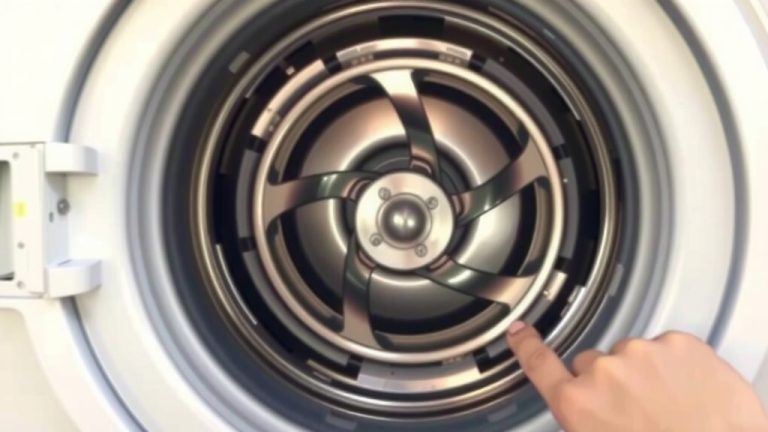
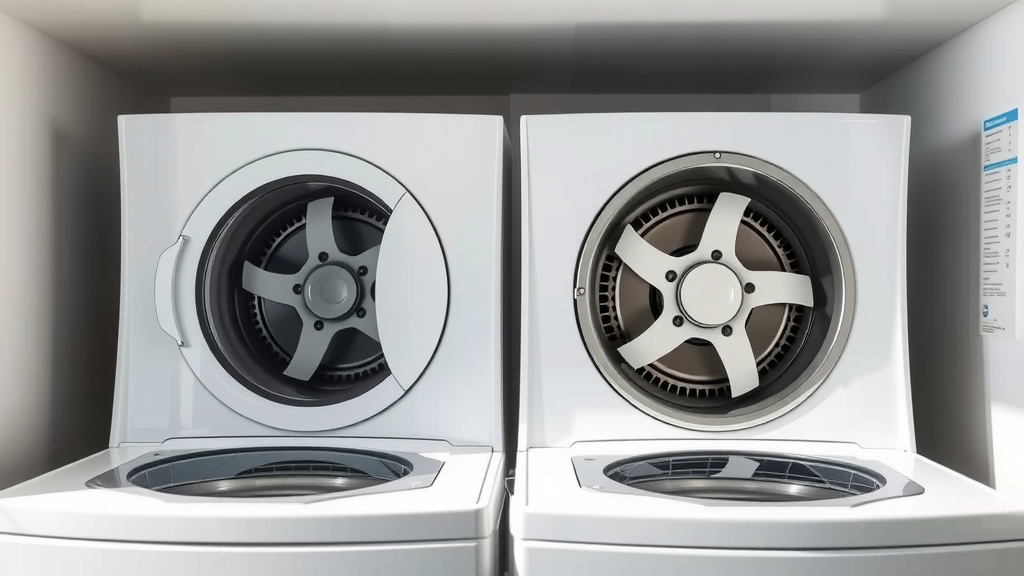
Impeller washers, sometimes called HE (High Efficiency) top loaders, offer a different approach. Instead of a tall central post, they have a low-profile disc or cone at the bottom of the drum. This is the impeller.
The Impeller’s Cleaning Action
The impeller spins, creating currents of water that move your clothes around the tub. It doesn’t have a central post for clothes to wrap around. Instead, it gently tumbles garments against each other and the water. We found this creates a much gentler washing action. It’s like a swirl rather than a scrub.
Pros of Impeller Washers
The biggest advantage is the gentle treatment of clothes. Because there’s no harsh central post, fabrics are less likely to stretch or get damaged. This makes them ideal for a wider range of items, including delicates. Many consumers also appreciate that impeller washers generally offer a larger capacity. The entire drum is available for clothes. We also found that they tend to use less water and energy, making them more eco-friendly and potentially saving you money on utility bills (Energy Star).
Cons of Impeller Washers
While great for most loads, some users report that for extremely stubborn stains, the gentler action might require an extra pre-treatment or longer wash cycle. Also, because they are designed for higher efficiency, they might take a bit longer to complete a wash cycle compared to traditional agitator models. Some initial user feedback also noted a learning curve for optimal loading.
Comparing Agitator and Impeller Washers Side-by-Side
To make the choice even clearer, let’s look at a quick comparison. Both are top-loading machines, but their internal workings lead to different results.
| Feature | Top Load Agitator | Top Load Impeller |
|---|---|---|
| Cleaning Mechanism | Central post twists and scrubs clothes | Low-profile disc spins, creating water currents |
| Fabric Care | Can be rougher on clothes | Gentler on fabrics |
| Load Capacity | Less usable space due to agitator | More usable space, larger loads possible |
| Water Usage | Generally higher | Generally lower (HE models) |
| Wash Time | Often faster cycles | Cycles can be longer |
| Best For | Heavily soiled items, familiarity | Everyday loads, delicates, large items |
Making the Right Choice for Your Laundry Needs
So, which one is right for your home? It really depends on what you wash most often and what your priorities are. If you frequently tackle very tough stains or prefer the traditional, vigorous wash, an agitator might feel familiar and effective. However, if you’re looking for better fabric care, more capacity for larger families, and potentially lower utility bills, an impeller washer is likely the way to go. We found that for the average household, the benefits of impeller washers often outweigh those of agitator models.
Consider Your Laundry Habits
Think about your typical laundry basket. Do you have a lot of bulky items like comforters or large towels? An impeller model will give you the space you need. Are you washing delicate sweaters and fine blouses? The gentler action of an impeller will protect them. If your primary concern is getting heavily soiled items as clean as possible with minimal fuss, an agitator might be your preference.
What Experts Recommend
Many appliance experts and consumer reports suggest that modern impeller washers have significantly improved their cleaning power. They now handle everyday dirt and grime effectively while offering superior fabric care and efficiency. This shift reflects a growing consumer demand for machines that are both powerful and gentle. We found consistent recommendations for impeller models for their balance of performance and fabric preservation.
Your Laundry Decision Checklist
To help you finalize your decision, ask yourself these quick questions:
- Do you wash large loads or bulky items often?
- Is gentle fabric care a top priority for you?
- Are you concerned about energy and water usage?
- Do you have a lot of delicate clothing?
- Do you prefer a simpler, more traditional wash action?
- What’s your budget for a new washing machine?
Conclusion
Choosing between an agitator and an impeller washing machine comes down to your laundry priorities. Agitators offer a familiar, robust clean ideal for tough stains. Impellers provide a gentler wash, better fabric care, and more space for larger loads. We found that for most households, the efficiency and fabric protection of an impeller washer make it a smart choice for everyday laundry needs. Consider your typical wash load and how you want your clothes to be treated. Take a moment to assess your laundry habits and budget to make the best decision for your home.
Frequently Asked Questions
Will an impeller washer clean as well as an agitator?
Yes, modern impeller washers are designed to clean effectively. While their action is gentler, they create sufficient water currents and tumbling to remove everyday dirt and grime. For extremely tough stains, you might need to use a pre-treatment, but for most loads, they perform very well.
Can I wash bulky items like comforters in an impeller washer?
Absolutely. Impeller washers typically offer a larger drum capacity because they lack a central agitator post. This means you’ll have more space to comfortably wash bulky items such as blankets, comforters, and large towels without them becoming overly compressed.
Are impeller washers better for my clothes?
Yes, impeller washers are generally better for your clothes. The absence of a central agitator post significantly reduces fabric stress. This means less stretching, snagging, and wear and tear on your garments over time, helping them last longer.
Do agitator washers use more water than impeller washers?
Generally, yes. Agitator washing machines often use more water to fully submerge clothes around the central post. Impeller models, especially those designated as High Efficiency (HE), are designed to use less water while still achieving a good clean through efficient water circulation.
Which type of washer is typically faster?
Traditional agitator washing machines often have shorter wash cycles. Impeller washers, due to their high-efficiency design and gentler tumbling action, may take slightly longer to complete a full wash cycle. This extended time helps ensure clothes are cleaned thoroughly with less water and energy.