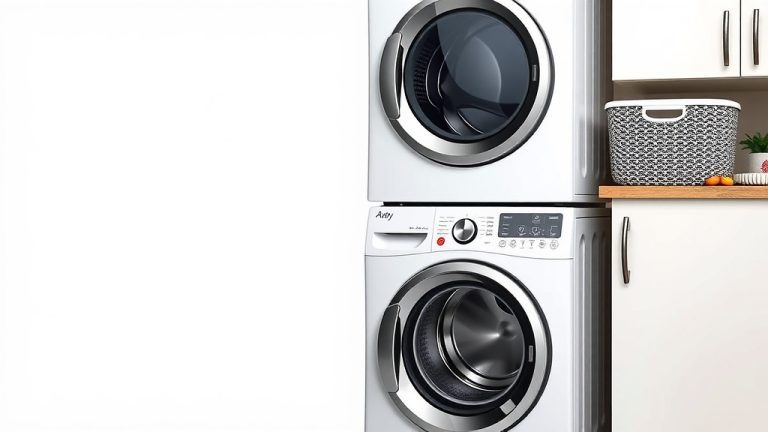
Washer and Dryer Pedestals: What They Do and Benefits
Pedestals for washers and dryers are sturdy metal frames that lift your machines 12 to 15 inches off the floor. They give you a built-in storage drawer, make loading and unloading easier, and reduce the strain of bending over. You use them to raise the machines to a comfortable height while gaining a handy spot for detergent and supplies.
If you are tired of crouching down to grab a load of laundry, a pedestal is a simple fix. We found that most people buy them for the storage drawer and the back-saving height. They are a popular add-on for front-loading machines, but you need to check if the pedestal matches your specific washer or dryer model. They are not universal, so picking the right one takes a little research.
- What they do: Lift your washer and dryer 12 to 15 inches off the ground.
- Main benefit: Saves your back by reducing how far you bend to reach clothes.
- Extra perk: Adds a pull-out drawer for laundry pods, dryer sheets, and supplies.
- Compatibility: Most are model-specific, so you must match them to your machines.
- DIY option: You can build your own sturdy platform for a fraction of the cost.
Below, we break down the different types of pedestals, how to choose the right one, and whether they are actually worth the extra money for your laundry room.
Understanding Washer and Dryer Pedestals
Pedestals solve a simple problem: your laundry machines sit too low. You bend over, you reach in, and your lower back complains. We found that raising the machines just over a foot makes the whole chore easier.
Think of a pedestal like a sturdy table for your washer or dryer. It sits on the floor, and your machine sits on top of it. The unit usually includes a drawer that slides out for storage. It is a simple concept, but it changes how you interact with your laundry room every single day.
Why Front-Loaders Need Them Most
Front-loading machines have doors on the front. The drum opening sits low to the ground. That means you must squat or bend deeply to pull clothes out. A pedestal raises that opening to waist level or slightly below.
Top-loading machines are already tall. You do not need a pedestal for those. The design of front-loaders is why the market for pedestals exists at all. If you have a front-loader, you are the primary audience for this product.
What About Stackable Units?
If you stack your dryer on top of the washer, a pedestal works differently. You can place the whole stacked unit on a single pedestal base. That raises the washer to a better height, but the dryer might get too high to reach comfortably.
Many people skip the pedestal when stacking for this reason. Measure your reach before you commit. We found that shorter users struggle with stacked dryers on pedestals. It is a trade-off between back strain and arm strain.
The Practical Benefits You Will Notice Right Away
The storage drawer gets all the attention, but height is the real star. Ergonomics research shows that repeated bending contributes to back pain over time. Raising your machines reduces that repetitive stress on your spine.
You also get a dedicated spot for your laundry supplies. No more hunting for dryer sheets or measuring cups. Everything you need lives right where you use it. That small convenience adds up over hundreds of loads.
Storage That Makes Sense
The drawer on a pedestal is surprisingly roomy. You can fit standard detergent bottles, fabric softener, stain removers, and dryer balls in one drawer. Some drawers have dividers to keep items organized.
You might even find room for extras like clothespins or a lint roller. We found that people who use the drawer tend to keep their laundry room cleaner. It gives every supply a home, so clutter disappears.
Drawer Design Options
Most pedestals come with a single large drawer. Some high-end models offer two smaller drawers instead. Think about what you store before you choose.
- Single drawer: Best for bulky bottles and large containers.
- Two drawers: Great for separating supplies from accessories.
- Drawer with dividers: Keeps small items like dryer sheets organized.
- Flat panel front: Matches the look of your washer and dryer.
- Metal or plastic interior: Metal lasts longer and cleans easier.
Back Relief You Can Measure
Bending from the waist puts stress on your lumbar spine. Reaching into a low drum forces your back into an awkward angle. A pedestal reduces that angle significantly.
Occupational health guidelines suggest that repeated bending increases injury risk (National Institutes of Health). Raising the work surface to waist height is a simple fix. You protect your back with a single purchase.
Compatibility: The Most Important Buying Factor
Pedestals are not one-size-fits-all. Your washer and dryer have specific mounting points on the bottom. The pedestal must line up with those points perfectly. If it does not, the machine will not sit securely on top.
We found that most major brands make pedestals for their own machines. A Samsung washer needs a Samsung pedestal. An LG dryer needs an LG pedestal. Mixing brands usually does not work well.
How to Check If a Pedestal Fits
Start with your machine’s model number. You can find it on a sticker inside the door or on the back panel. Write that number down before you shop.
Search for pedestals that list your exact model number as compatible. If the listing says “fits most models,” be cautious. That vague wording often means it does not fit perfectly. Match the numbers exactly to avoid disappointment.
Universal Pedestals and Their Limits
Universal pedestals exist, but they come with caveats. They usually use adjustable brackets or straps instead of bolting directly to the machine. This works, but it is less stable than a brand-specific fit.
If you have an older machine or an off-brand model, a universal pedestal might be your only option. Just know that the machine may shift slightly during the spin cycle. Many experts say that brand-matched pedestals are safer for heavy loads.
DIY Platforms vs. Store-Bought Pedestals
You can build your own pedestal with wood and basic tools. A sturdy platform with legs can raise your machines just as high. You save money, but you lose the storage drawer unless you build one.
We found that DIY platforms cost about a third of what a brand-name pedestal costs. They work fine for raising the machines. The trade-off is time, effort, and the lack of a smooth-sliding drawer.
When a DIY Platform Makes Sense
If you only need height and do not care about storage, build a platform. You can paint it to match your machines or the room. It is a weekend project that requires basic carpentry skills.
Make sure the platform is level and can support the weight. A washer full of wet clothes is heavy. Use thick plywood and sturdy legs. Many guidelines suggest adding a non-slip mat on top to keep the machine from vibrating off.
When You Should Buy a Real Pedestal
If you want the drawer, buy the real thing. Brand-matched pedestals bolt securely to your machine. They also have anti-vibration pads that reduce noise during the spin cycle.
Pedestals also come with a finished look. The paint and design match your washer and dryer perfectly. A DIY platform might look out of place next to a sleek modern machine. We found that most people prefer the polished look of a matching pedestal.
Weight Limits and Installation Basics
Pedestals are designed to hold a specific weight. A washer with wet clothes can weigh over 200 pounds. The pedestal must support that plus the weight of the machine itself.
Check the weight rating before you buy. Most brand-name pedestals handle the weight of their matching machines easily. Universal ones might have lower limits. Do not guess on this number.
What Installation Involves
Installation is usually straightforward. You unbox the pedestal, attach the drawer slides, and place the machine on top. Then you secure the machine to the pedestal with the included brackets and screws.
Plan for about an hour of work. You might need a helper to lift the machine onto the pedestal. These machines are heavy, and lifting them alone is risky for your back.
Leveling After Installation
Once the machine sits on the pedestal, check the level. Use a bubble level on top of the machine. If it is off, adjust the feet on the pedestal or the machine itself.
An unlevel washer will vibrate and walk across the floor. It also makes more noise. Take the extra five minutes to level everything properly. Your ears and your downstairs neighbors will thank you.
Are Pedestals Worth the Cost?
Pedestals range from $150 to over $400 each. That is a real investment, especially if you need two. We found that the price depends on brand, drawer size, and extra features like built-in drying racks. For context on the overall investment, our guide to new washing machine cost breaks down typical price ranges.
Ask yourself how much you value your back and your storage space. If you do many loads of laundry each week, the height benefit pays off daily. If you rarely do laundry, a pedestal might be overkill.
The Hidden Cost of Skipping Pedestals
Without a pedestal, you might find yourself doing laundry less often. That sounds strange, but it is true. The chore feels more tiring when you have to crouch for every load.
You might also buy separate storage bins for your laundry supplies. That adds clutter to your floor or shelves. A pedestal combines the height and storage into one clean package. For many people, that convenience justifies the price.
Pedestal Features Worth Paying For
Not all pedestals are the same. Some have extras that genuinely improve your laundry routine. We found that a few features are worth the upgrade cost, while others are just marketing fluff.
Focus on features that solve a real problem for you. Do not pay for bells and whistles you will never use. Here is what we found actually matters to most buyers:
| Feature | What It Does | Worth It? |
|---|---|---|
| Soft-close drawer | Prevents the drawer from slamming shut | Yes, especially with kids |
| Drying rack | Fits inside the drawer for flat-drying sweaters | Only if you hand-wash clothes |
| Anti-vibration pads | Reduces noise and shaking during spin cycles | Yes, for second-floor laundry rooms |
| Extra drawer height | Taller drawer fits bigger bottles upright | Yes, if you buy large detergent jugs |
| Matching finish | Paint matches your washer and dryer exactly | Yes, for a polished look |
Features You Can Skip
Some pedestals come with built-in sinks or folding stations. Those are rare and expensive. Unless you have a huge laundry room, skip these. They take up floor space and add significant cost.
Smart features like Wi-Fi connectivity are pointless on a pedestal. A pedestal does not need an app. We found that buyers rarely use these gimmicks after the first week. Stick to the basics that add real function.
A Simple Checklist Before You Buy
Before you order a pedestal, run through this quick list. It takes two minutes and saves you from a costly mistake. We put this together after reviewing dozens of buyer complaints and success stories.
- Measure your laundry room: Make sure the pedestal fits with the machines in place.
- Find your model number: Write it down before you start shopping online.
- Check the weight rating: Confirm it exceeds your machine’s filled weight.
- Decide on the drawer: Know if you need one big drawer or two smaller ones.
- Look at the finish: Match the color to your washer and dryer.
- Plan for installation: Have a helper ready to lift the machine safely.
Pedestals for Older or Rental Machines
If you rent your home, you might hesitate to buy pedestals. The machines belong to the landlord. That is a valid concern, but removable options exist.
Freestanding pedestals do not require bolting to the machine. They are more like a low table with a lip around the edge. The machine sits inside the lip without permanent attachment. You can remove everything when you move out.
Checking With Your Landlord
Some landlords allow you to install pedestals as long as you return things to original condition. Others prefer you not modify their appliances. Ask before you buy to avoid conflict.
Many guidelines suggest documenting the condition of the machines before any modification. Take photos before you install the pedestal. That protects you if the landlord questions anything later.
Older Machines That Shake
Old washers vibrate more than new ones. Their suspension systems wear out over time. A pedestal can make that shaking worse by raising the center of gravity.
If your machine rocks during the spin cycle, fix that before adding a pedestal. Level the machine first and check the shock absorbers. A wobbly machine on a pedestal is a safety risk. Many experts say to address the vibration issue
Conclusion
Pedestals do more than just lift your machines. They save your back, add smart storage, and make laundry day feel less like a chore. You get a comfortable reach height and a clean spot for your supplies all in one purchase.
The key is matching the pedestal to your exact washer and dryer model. Check the model number, confirm the weight rating, and decide if you want a drawer or a simple platform. If you have a front-loader and you are tired of bending, this upgrade is worth serious consideration.
Start by measuring your space and writing down your machine’s model number. That is the first step to finding a pedestal that fits perfectly and lasts for years.
Frequently Asked Questions
Do washer and dryer pedestals really help with back pain?
Yes, they help most people. Raising the drum opening to waist height means you bend less with every load. We found that this small change reduces the repetitive strain on your lower back over time. It is not a medical cure, but it makes the motion much more comfortable.
Can you put a top-loading washer on a pedestal?
You can, but it is usually not necessary. Top-loaders already sit high enough to reach easily. Adding a pedestal might make it hard to see inside or reach the bottom of the drum. We recommend pedestals only for front-loading machines.
Do pedestals make the washer or dryer louder?
They can if they are not installed correctly. An unlevel machine on a pedestal will vibrate and shake. Most brand-matched pedestals include anti-vibration pads that actually reduce noise. Make sure you level everything properly after installation to keep things quiet.
Can you use a pedestal with a washer and dryer from different brands?
Usually not. Most pedestals are built with specific mounting brackets for their own brand. A Samsung washer needs a Samsung pedestal. You can try a universal pedestal with adjustable straps, but the fit is less secure. Check your model numbers before you buy.
How long does it take to install a washer and dryer pedestal?
Plan for about an hour from start to finish. You need to attach the drawer slides, place the machine on top, and secure it with brackets. Having a second person to help lift the machine makes the job much easier and safer for your back.