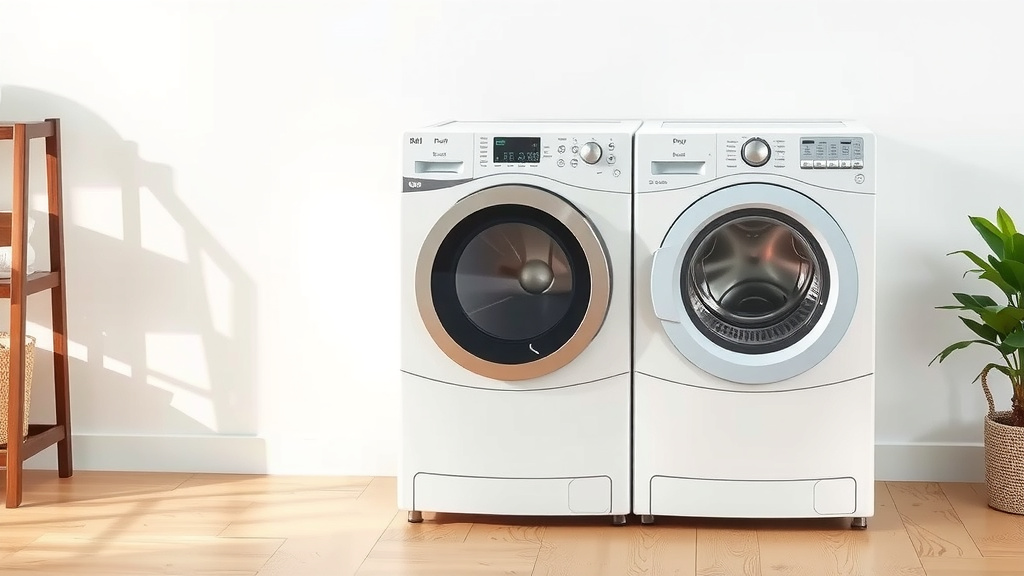
Best Front Load Washing Machine: Top Picks for 2026
Finding the best front load washing machine means looking for models that offer excellent cleaning performance and energy efficiency. Many top-rated machines also boast quieter operation and gentler fabric care compared to older top-loaders. We found that brands like LG, Samsung, and Whirlpool consistently deliver on these fronts, offering a range of features to suit different needs and budgets.
When you’re comparing front-loaders, consider the capacity – do you have a large family or just a couple of outfits to wash? Also, think about specialty cycles like steam cleaning or allergen removal, which can be a big plus. Many modern machines are designed to use less water, saving you money and being kinder to the environment. We found that factoring in these details makes a big difference in your laundry day satisfaction.
- Top brands focus on cleaning and efficiency.
- Consider capacity for your household needs.
- Look for smart features and special cycles.
- Front-loaders are generally gentler on clothes.
Below, we break down what makes a front load washing machine a great choice for your home and highlight some of the top contenders we researched.
Choosing Your Ideal Front Load Washer
When you’re on the hunt for the best front load washing machine, you’re likely seeking a clean and efficient way to tackle your laundry. These machines are popular for good reason. They often use less water and energy than older models. This can lead to real savings on your utility bills. Plus, they’re typically gentler on your clothes. We found that investing in a good front-loader means better care for your wardrobe. Our guide to washing machine cost can help you understand the price range for these appliances.
Why Front Loaders Shine
So, what makes front-load washers stand out? It’s all about how they clean. Instead of a central agitator like in many top-loaders, front-loaders tumble clothes through a small amount of water. This action is more effective at removing stains. It also puts less stress on fabrics. We found that this tumbling motion helps clothes last longer. It’s like giving your favorite sweater a gentle massage instead of a rough scrub.
Energy efficiency is another big win. Front-loaders use much less water. The U.S. Department of Energy estimates that clothes washers account for about 22% of home water use. Front-loaders can cut that down significantly. They also spin clothes faster at the end of the cycle. This extracts more water. Your clothes then need less time in the dryer. That means less energy used overall. We found that this dual benefit makes them a smart choice for both your wallet and the planet.
Gentle on Fabrics
Have you ever pulled a favorite shirt out of the wash only to find it stretched or snagged? Front-loaders can help prevent that. Their tumbling action is much kinder to delicate items. We researched models that even offer specific cycles for delicates or wool. This means you can wash more items with confidence. You’re less likely to ruin that special garment.
Powerful Cleaning Action
Don’t let the gentle action fool you. Front-loaders are tough on dirt. The way they move clothes through the water helps detergents penetrate fabrics better. This leads to a deeper clean. Many models come with specialized wash cycles. These can handle everything from heavy-duty stains to baby clothes. We found that these targeted cycles really make a difference.
Key Features to Look For
As you browse, you’ll notice a wide range of features. It’s easy to get overwhelmed. Let’s break down what really matters. Think about what your laundry routine actually looks like. Do you wash bulky comforters? Do you have kids who track in a lot of mud? Your answers will guide you to the right features.
Capacity Matters
The size of the drum is measured in cubic feet. This tells you how much laundry it can hold. For a single person or a couple, a smaller capacity might be fine. For a larger family, you’ll want something bigger. Washing fewer, larger loads is often more efficient. We found that choosing a capacity that fits your household needs prevents overfilling or constant small loads.
| Household Size | Recommended Capacity (Cubic Feet) |
|---|---|
| 1-2 People | 2.0 – 3.5 cu. ft. |
| 3-4 People | 3.5 – 4.5 cu. ft. |
| 5+ People | 4.5 cu. ft. and up |
Specialty Cycles and Options
Beyond the basic wash and rinse, many machines offer advanced options. Steam cycles are great for sanitizing and reducing wrinkles. Allergen cycles use higher temperatures to remove dust mites and pet dander. We found that these specialized cycles can be a real lifesaver for those with allergies or specific fabric needs.
Consider quick wash cycles for when you’re in a hurry. Some machines have an option to add a garment mid-cycle. This is handy if you discover a stray sock. We think it’s the little things that make laundry day smoother.
Smart Technology Integration
Many newer front-loaders come with smart features. You can often connect them to your home Wi-Fi. This allows you to control and monitor your washer remotely using an app on your smartphone. You might get notifications when a cycle is done. Some apps even help you diagnose problems. We found that this can be convenient for busy households.
Energy Star Certification: A Smart Investment
When looking for an efficient machine, keep an eye out for the Energy Star label. Products with this certification meet strict energy efficiency guidelines set by the U.S. Environmental Protection Agency. This means they use less energy and water compared to standard models. We found that Energy Star certified washers can significantly reduce your utility bills over the lifetime of the appliance. Many guidelines point to energy-efficient appliances as a key factor in reducing household carbon footprints (U.S. EPA).
Choosing an Energy Star model is a good step towards sustainability. It’s also a smart financial decision. While these models might have a slightly higher upfront cost, the long-term savings are often substantial. We think it’s a worthy consideration for most shoppers.
Noise Levels and Vibration
Is your current washer loud enough to rattle the dishes in the cabinets? Front-loaders are generally quieter than top-loaders. This is due to their design and lower water usage. However, some models are engineered for even quieter operation. Look for features like vibration reduction systems. Some brands use advanced suspension technologies. We found that if your laundry room is near a living area, a quieter machine is a definite plus.
Making Your Final Choice: A Quick Checklist
Ready to narrow down your options? Here’s a quick way to assess potential front-load washers:
- Does the capacity fit your family size?
- Are there specialty cycles you’ll actually use?
- Is it Energy Star certified for efficiency?
- Does it offer a good warranty?
- Are user reviews positive about cleaning performance?
- Can you find it within your budget?
Conclusion
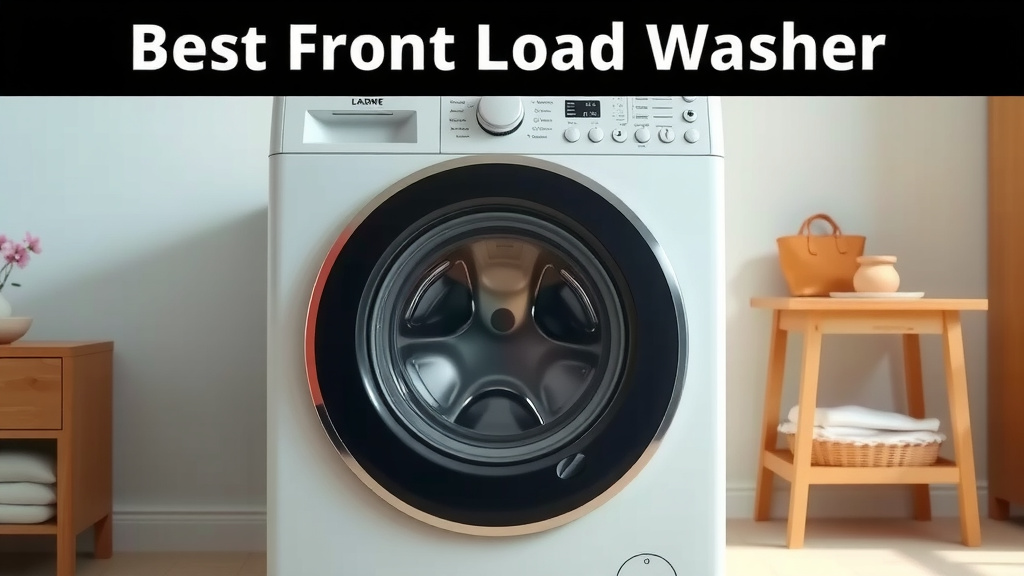
You’ve learned that the best front load washing machine balances powerful cleaning with everyday practicality. We found that models from trusted brands like LG, Samsung, and Whirlpool often lead the pack. Prioritizing capacity, energy efficiency with an Energy Star rating, and the specialty cycles you’ll actually use will guide your decision. Remember to consider noise levels too, especially if your laundry area is close to living spaces. Your next step is to review our checklist and compare models that best fit your household’s unique needs and budget. Understanding the new washing machine cost is important when making this purchase.
Frequently Asked Questions
How often should I clean my front load washing machine?
We recommend cleaning your front-loader at least once a month. This helps prevent mold and mildew buildup in the door seal and drum. Running a hot water cycle with vinegar or a specialized washing machine cleaner is usually sufficient.
Can front load washing machines be stacked with a dryer?
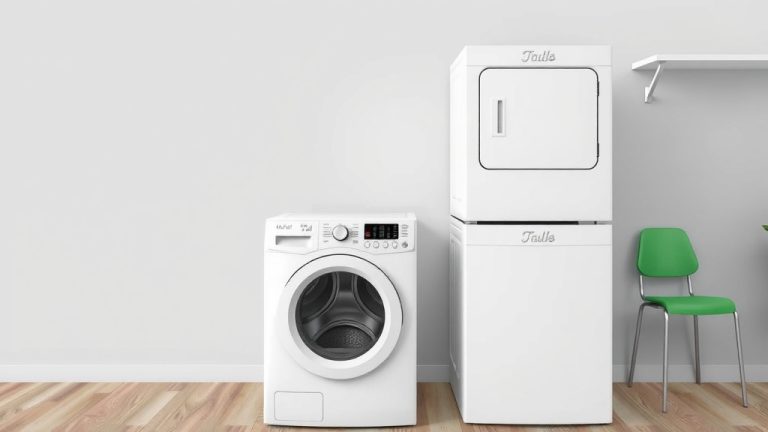
Yes, many front load washing machines are designed to be stacked with a matching dryer. You’ll typically need to purchase a stacking kit separately. Always check the manufacturer’s specifications for compatibility.
What is the average lifespan of a front load washing machine?
With proper maintenance, a front load washing machine can last between 10 to 15 years. Regular cleaning, using the correct amount of detergent, and avoiding overloading the drum contribute to its longevity.
Are front load washing machines more expensive than top load machines?
Generally, front load washing machines tend to have a higher upfront cost than basic top load models. However, their superior energy and water efficiency often lead to lower operating costs over time, making them a cost-effective choice in the long run.
What’s the best way to remove odors from a front load washer?
To tackle persistent odors, try running an empty hot water cycle with two cups of white vinegar. Afterward, run another hot water cycle with half a cup of baking soda. Make sure to wipe down the door seal and dispenser drawer regularly.