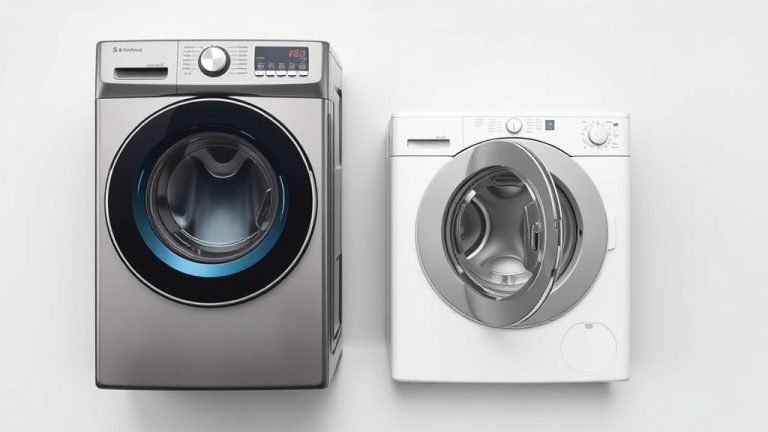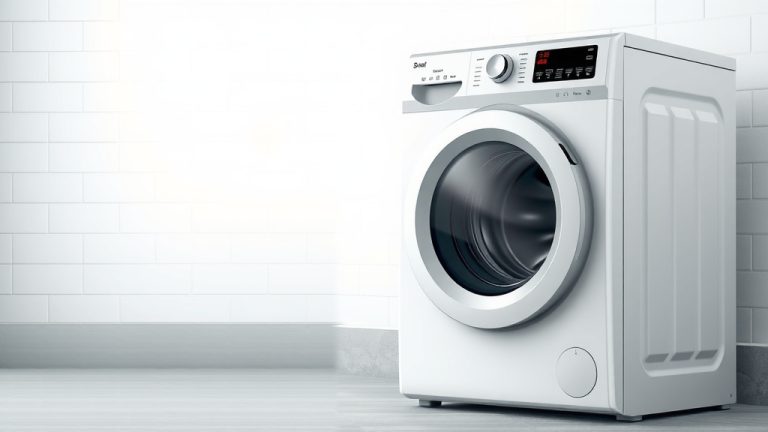
Choosing a Good Washer and Dryer: Your 2026 Guide
Finding a good washer and dryer means looking for appliances that are reliable, energy-efficient, and effective at cleaning your clothes. A great set will save you time and money over its lifespan. You’re not just buying machines; you’re investing in less laundry stress and cleaner clothes.
We found that the best washer and dryer combinations offer a variety of wash cycles and drying options to suit different fabrics and load sizes. They also tend to have lower water and energy consumption. Many experts say that investing a bit more upfront can lead to significant savings on utility bills and fewer repair calls down the road.
- Look for good cleaning performance.
- Prioritize energy and water efficiency.
- Consider capacity for your household needs.
- Check for advanced features you’ll actually use.
- Read reviews for reliability data.
Let’s break down what makes a washer and dryer truly “good” so you can make the best choice for your home.
Choosing the Right Washer and Dryer for Your Home
Selecting a good washer and dryer means finding appliances that clean your clothes effectively and last for years. It’s about balancing performance with your budget and household needs. We’ve researched what makes these machines worthwhile investments.
What Makes a Washer “Good”?
A good washing machine excels at removing dirt and stains. It should be gentle on fabrics and use water and energy wisely. You want a machine that gets the job done without fuss.
Cleaning Performance: Beyond Just Wetting Clothes
The primary job of a washer is to get your clothes clean. Look for models with strong agitation or tumbling action. This movement helps lift dirt from fabric fibers. Many experts point to consistent stain removal across different fabric types as a key indicator (Consumer Reports).
Efficiency Matters: Saving Water and Energy
Energy and water efficiency ratings are vital. The U.S. Department of Energy sets standards for these appliances. Look for the ENERGY STAR label. These models use less water and electricity. This saves you money on utility bills and is better for the environment.
Many ENERGY STAR certified washers use about 25% less energy and 33% less water than standard models. This can translate to significant savings over the life of the appliance. Think about it: fewer gallons of water per load, less energy to heat that water. It all adds up!
Capacity: Finding the Right Size for Your Family
Washer capacity is measured in cubic feet. This tells you how much laundry it can hold. A larger capacity is great for families or for washing bulky items like comforters. Smaller households might do fine with a medium-sized machine.
A typical family might need a washer with at least 3.5 to 4.0 cubic feet. If you often wash large loads or bedding, aim for 4.5 cubic feet or more. It’s better to have a little extra space than to be constantly running loads.
Wash Cycles and Options: What You’ll Actually Use
Modern washers offer many cycles. Common ones include normal, delicates, heavy-duty, and quick wash. Most people use just a few basic cycles regularly. Think about the types of clothes you wash most often.
Do you need special cycles for sportswear, bedding, or sanitizing? Some machines offer steam cycles for deeper cleaning and wrinkle reduction. Others have soil-level sensors that adjust wash time. Choose options that fit your lifestyle, not just fancy features you’ll never touch.
What Makes a Dryer “Good”?
A good dryer dries clothes efficiently and evenly without damaging them. It should offer flexible drying options and be safe to operate.
Drying Technology: Heat and Airflow
Most dryers use heated air to evaporate moisture. The effectiveness of the heating element and the airflow system are key. Look for dryers with sensors that detect when clothes are dry. This prevents over-drying, which can damage fabrics and waste energy.
Capacity and Drum Size
Like washers, dryer capacity is measured in cubic feet. It’s important that the dryer drum is large enough to allow clothes to tumble freely. This ensures even drying and fewer wrinkles. A dryer should ideally be about twice the capacity of your washer.
If you have a large washer, you’ll need a similarly large dryer. This ensures that damp clothes don’t get cramped. Cramped clothes take longer to dry and come out more wrinkled. We found that matching capacity is a simple but effective rule.
Drying Cycles and Features
Look for a variety of drying cycles. These often mirror wash cycles, such as normal, delicate, and heavy-duty. Many dryers offer wrinkle-prevent settings that tumble clothes periodically after the cycle ends. Steam cycles can also help reduce wrinkles and refresh clothes.
Sensor drying is a feature many experts recommend. It uses moisture sensors to stop the dryer when clothes are dry. This is more energy-efficient than timed drying. It also helps protect your clothes from heat damage. Some models even have Wi-Fi connectivity for remote monitoring.
Reliability and Reviews: Hearing from Other Users
One of the best ways to gauge a washer and dryer’s quality is to read reviews. Look for brands with a reputation for reliability. Check consumer review sites and manufacturer websites.
Many reviews focus on how well the machines hold up over time. Are there common complaints about repairs? Or do users report years of trouble-free service? We found that brands consistently scoring high in independent reviews tend to offer better long-term performance.
Key Features to Look For: A Quick Checklist
Here’s a quick rundown of what to consider:
- ENERGY STAR certification for efficiency.
- Appropriate capacity for your household size.
- Sensor drying to prevent over-drying.
- Useful wash and dry cycles you’ll actually use.
- Good user reviews regarding reliability and performance.
- Durable build quality (e.g., stainless steel drums).
Conclusion
Finding a good washer and dryer means focusing on what truly matters: effective cleaning, energy efficiency, and long-term reliability. You’ve learned that a great set balances essential features with your household needs and budget. By prioritizing ENERGY STAR certification, appropriate capacity, and useful cycles, you’re setting yourself up for success. Don’t forget to check user reviews for real-world performance insights. Your next step is to use this knowledge to research specific models and make a purchase that will serve you well for years to come.
Frequently Asked Questions
Do I really need all those fancy wash cycles?
Probably not. Most households find that basic cycles like normal, delicates, and heavy-duty cover their needs. Think about the types of clothes you wash most often. If you rarely wash heavily soiled items or specialized fabrics, you likely won’t use those extra cycles.
Is a steam cycle in a washer or dryer worth the extra cost?
Steam cycles can be beneficial for reducing wrinkles and sanitizing clothes. If you frequently deal with stubborn wrinkles or prefer a more hygienic wash, it might be a worthwhile feature. For many users, however, standard cycles are perfectly adequate for everyday laundry.
How do I know if the capacity is right for my family?
Consider your laundry habits. For a family of four or more, or if you wash bulky items like blankets often, aim for a larger capacity washer (4.5 cubic feet or more). Smaller households might be fine with a 3.5 to 4.0 cubic feet washer.
What’s the biggest mistake people make when buying a washer and dryer?
One common mistake is buying based solely on price or appearance, overlooking reliability and efficiency. Another is not considering the capacity needed for their household size, leading to more frequent loads or clothes not tumbling freely.
Should I always match my washer and dryer brands and models?
While matching sets can offer a cohesive look and sometimes integrated features, it’s not strictly necessary. You can often find a better performing or more reliable dryer from one brand and a superior washer from another. Focus on individual appliance performance and reliability ratings.