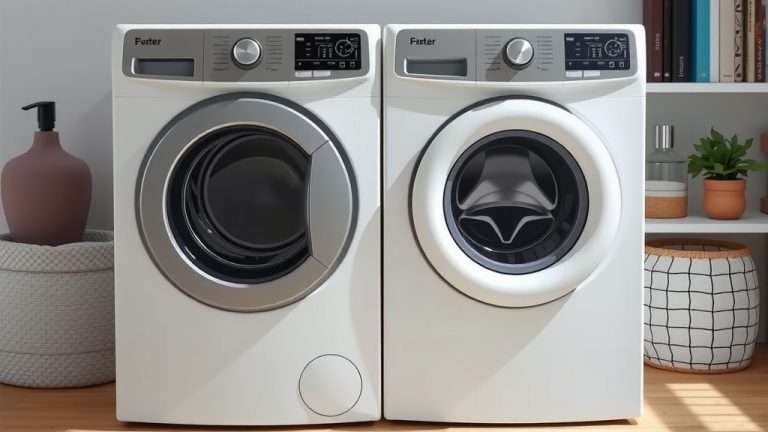
What Is a Pedestal Washer? A Complete Guide
A pedestal washer is a washing machine that sits on a raised base or stand, lifting the drum higher off the floor so you don’t have to bend down to load and unload your laundry. This simple height boost makes a huge difference for your back and knees, especially if you have a front-load washer in a basement or laundry room. We found that this design is all about comfort and making laundry day less of a chore.
Pedestals aren’t just about ergonomics, though. Many models come with a storage drawer built right in, giving you a handy spot for detergent, dryer sheets, and other supplies. Some even have a built-in sink for pretreating stains, turning that empty space under your washer into a useful workstation. It’s a smart way to maximize your laundry space without buying a whole new machine.
- What it is: A raised platform that lifts your washer 12 to 16 inches off the ground.
- Main benefit: Eliminates bending, making laundry easier on your body.
- Bonus feature: Usually includes a drawer for storage or a small utility sink.
- Who it’s for: Anyone with a front-load washer, especially those with back pain or limited mobility.
- Compatibility: Most pedestals are brand-specific and must match your washer model.
Below, we’ll walk you through exactly how pedestal washers work, the different types available, and how to pick the right one for your home.
Understanding the Pedestal Washer Concept
So, what exactly makes a washer a “pedestal” washer? We found that the name comes from the sturdy base it sits on, much like a statue sits on a pedestal. The machine itself is typically a standard front-loading washer. The magic happens with the 12 to 16 inches of extra height you get from the base below it.
You are essentially buying a washing machine and a riser system together. The washer connects to the pedestal, which holds it securely in place. This setup changes the entire feel of doing laundry. You no longer have to crouch down to see inside the drum or fish out a stray sock from the bottom.
Many experts say this is a simple solution to a very common problem. It brings the appliance to you, rather than forcing you to meet it on the floor. For anyone who has ever groaned while bending over to grab a heavy load of wet jeans, this design is a breath of fresh air.
Why the Extra Height Matters So Much
We found that the main driver for this purchase is usually comfort. Your lower back takes a beating when you lean forward repeatedly. Your knees also suffer from the constant squatting motion.
According to the Centers for Disease Control and Prevention (CDC), back pain is one of the most common reasons people miss work. A pedestal washer directly addresses this issue. By lifting the drum to waist level, you keep your spine in a neutral position.
Think of it like this: it is the difference between using a low coffee table for dinner and using a proper kitchen counter. One makes you hunch over; the other lets you stand tall and work efficiently.
Built-In Storage and Utility Features
The base isn’t just empty space. Most pedestals come with a large, slide-out drawer. This drawer is perfect for storing detergent, fabric softener, and stain remover.
We found that this storage is a game-changer for small laundry rooms. You can say goodbye to cluttered shelves and wobbly baskets of supplies. Everything you need is right there, tucked neatly under the machine.
Some premium models even offer a small utility sink instead of a drawer. This is incredibly handy for hand-washing delicates or pre-treating stains without walking to a different room. It turns a simple laundry corner into a fully functional workstation.
How a Pedestal Washer Setup Works
Setting up a pedestal washer is usually a straightforward process, but it requires some planning. The pedestal is designed to match the exact footprint of the specific washer model. You cannot just put any washer on any base.
We found that installation is often done by the delivery team. They will secure the washer to the top of the pedestal using metal brackets. This is crucial for safety, as the machine vibrates during the spin cycle.
If you are installing it yourself, you will need a wrench and some muscle. The washer is heavy, and lifting it onto the base is a two-person job. The pedestal also has adjustable leveling legs to ensure the entire unit is stable on uneven floors.
Installation and Space Requirements
Before you buy, you need to measure your space carefully. The pedestal adds height, not width, so it won’t take up more floor room. However, you need to check the total height of the machine plus the base.
Many laundry rooms have upper cabinets that come down low. If your space is tight, you need to ensure the washer still opens fully. You also need to account for the drawer sliding out. There must be enough clearance in front of the machine to access it.
- Measure the height from the floor to the bottom of any upper cabinets.
- Verify the depth of the washer plus the open drawer space.
- Check that the water hoses and power cord can reach the connections at the new height.
- Ensure you have a clear path to move the heavy unit into place.
Matching Brands and Models
One of the most common mistakes we see is people buying the wrong pedestal. They see a “universal” model online and think it will work. In most cases, this leads to a wobbly setup that doesn’t align properly.
We found that you should always look for a pedestal made by the same brand as your washer. For example, an LG washer needs an LG pedestal. Samsung machines have their own specific bases, and Whirlpool has its own line as well.
This is not just a marketing trick. The brackets, screws, and alignment pins are specific to the machine’s chassis. Using the wrong base can void your warranty and create a safety hazard.
Comparing Pedestal Washers to Other Options
Sometimes, you have a choice between a pedestal washer setup and other solutions. We found that it helps to compare them side by side. You might have the option of a raised platform or simply placing the washer on a DIY stand.
A pedestal washer is the cleanest, most integrated solution. It looks like the machine was always meant to be that high. The drawers are color-matched and fit perfectly.
Other options, like metal stands or concrete blocks, are cheaper. However, they don’t offer storage, and they can look unfinished. They also might not secure the washer properly, leading to more vibration and noise.
| Feature | Pedestal Washer Setup | DIY Platform |
|---|---|---|
| Height Increase | 12 to 16 inches | Varies (often 8-12 inches) |
| Storage | Yes (drawer or sink) | No |
| Security | High (bolted and secured) | Low to Medium |
| Appearance | Seamless and professional | Basic and functional |
| Cost | Higher | Lower |
Key Features to Look For in a Pedestal
If you decide this is the right path for you, you need to know what to look for. We found that not all pedestals are created equal. Some have flimsy drawer slides, while others feel like they belong in a high-end kitchen.
You want a drawer that glides smoothly even when it’s full. Look for soft-close mechanisms that prevent slamming. This is a small detail that makes a big difference in daily use.
You also want to consider the weight capacity. The pedestal must be able to hold the full weight of the washer when it is loaded with clothes and water. A standard washer can weigh over 200 pounds when full.
Drawer Quality and Material
Pay attention to the material of the drawer itself. We found that heavy-duty plastic is common, but metal or reinforced composite is better. It resists warping and lasts longer.
The interior of the drawer should be easy to clean. Laundry detergent spills happen. A smooth surface that wipes down easily will keep your laundry room looking fresh.
Ease of Installation
Look for a pedestal that comes with clear instructions and all the necessary hardware. Some models require you to tilt the washer to attach the base. This can be tricky and risky.
We found that models with a “tool-free” installation are rare but they do exist. Most will need a socket wrench and a screwdriver. If you are not handy, budget for professional installation to avoid injury.
Practical Tips for Using a Pedestal Washer
Once you have your pedestal washer set up, you will need to adapt to the new height. Loading and unloading becomes easier, but you will notice a few other changes. The machine is now at a perfect height for sorting clothes directly into the drum.
We found that using the storage drawer efficiently helps keep your routine smooth. Dedicate one section for detergent pods and another for dryer sheets. This way, you never have to search for what you need.
You should also consider getting a small step stool if you are on the shorter side. While the height is great for most people, the top of the washer might be harder to reach for adding bleach or other additives.
Making the Most of Your Storage Space
Use the drawer to create a mini “laundry command center.” Stock it with your essential supplies. This keeps them out of sight but within arm’s reach.
- Store a small stain-removal brush for pre-treating spots.
- Keep a dedicated lint roller for quick touch-ups.
- Add a small measuring cup for liquid detergent.
- Store spare buttons and a mini sewing kit for repairs.
- Keep a small bag of baking soda to freshen the machine.
- Store rubber gloves for handling bleach or harsh chemicals.
Having these items right under the machine makes the chore feel less like a scavenger hunt. You can grab what you need and get the job done quickly.
Choosing Between a Pedestal Washer and a Combo Unit
You might be wondering if you should get a pedestal washer or just buy a taller machine. Some washers come with a built-in base and drawer from the factory. We found that these “all-in-one” units are less common and often more expensive. Our guide to washing machine cost helps you budget for a new unit.
A traditional pedestal setup offers more flexibility. You can buy the washer and the base separately. This allows you to spread out the cost over time.
If you already own a front-load washer, adding a pedestal is a great retrofit option. You do not need to buy a whole new machine. You can simply purchase the base and have it installed.
We found that this is the smartest financial move for most people. It upgrades your existing appliance without the hefty price tag of a new washer. It is a practical solution that offers immediate ergonomic benefits.
Conclusion
A pedestal washer is a smart, simple upgrade that brings your laundry up to a comfortable working height. You get relief for your back and knees, plus a handy storage drawer or sink right under the machine. We found that this is one of the easiest ways to make laundry day feel less like a workout.
Just remember to match the pedestal to your specific washer brand and model. Measure your space carefully before you buy. If you already own a front-load washer, adding a pedestal is a practical retrofit that won’t break the bank.
Ready to ditch the back strain? Check your washer’s model number and look for a compatible pedestal from the same manufacturer. It is a small change that makes a big difference in how you feel every single week.
Frequently Asked Questions
Will a pedestal washer work with a top-loading machine?
Pedestals are designed specifically for front-loading washers. Top-loaders already sit at a comfortable height, so they do not need a lift. The pedestal base also matches the footprint of front-load machines only.
Can I use a pedestal washer in an apartment or small space?
Yes, you can, as long as you have the ceiling clearance. The pedestal adds height but not width or depth. Just measure from the floor to your upper cabinets before you commit to the setup.
Do pedestal washers vibrate or move more than standard washers?
No, a properly installed pedestal actually helps stabilize the machine. The washer is bolted securely to the base with metal brackets. This keeps the whole unit steady, even during a high-speed spin cycle.
Is it worth adding a pedestal to an older washer?
We found that it is worth it if your machine is still in good working order. A pedestal can extend the life of your setup by making it more comfortable to use. Just double-check that a pedestal is available for your specific model before you order.
How much weight can a washer pedestal hold?
Most pedestals are built to support the full weight of a loaded washer. That is typically around 250 to 300 pounds. You should always check the manufacturer’s weight rating to be safe, especially for larger capacity machines.