What is an Electric Dryer Explained Simply
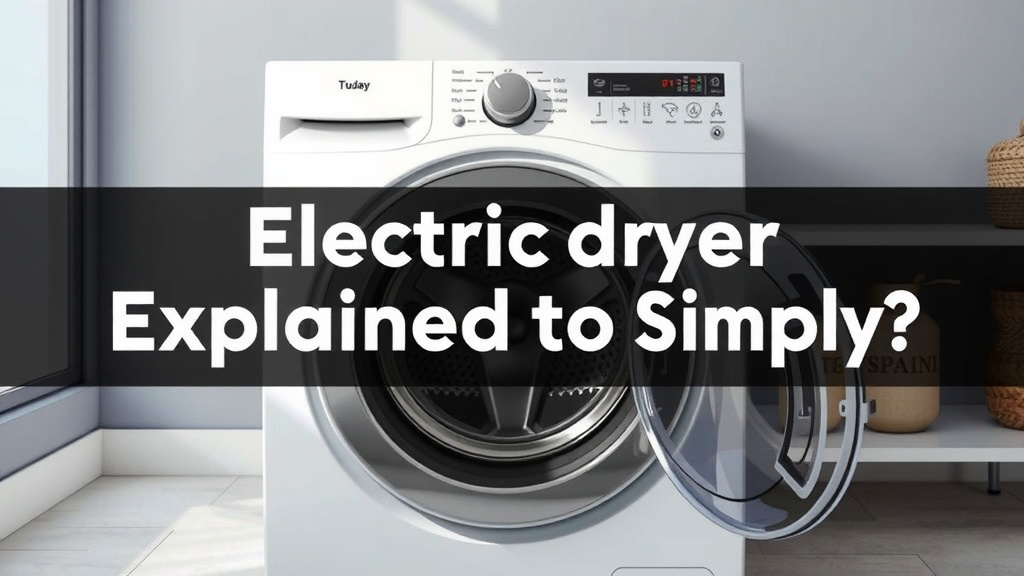
An electric dryer is a home appliance that uses electricity to heat air and tumble clothes until they are dry. It works by drawing in room air, heating it with an electric heating element, and then circulating this warm air through the drum as it spins. This process helps to evaporate moisture from your laundry quickly and efficiently.
Unlike gas dryers, electric models do not require a gas line hookup, making them a popular choice for many homes. You simply need a standard electrical outlet to power the machine. We found that installation is generally straightforward, which is a big plus for busy households. They are a common and reliable way to handle laundry needs.
- Electric dryers use electricity to dry clothes.
- They heat air and tumble your laundry.
- No gas line is needed, just an outlet.
- They are a common and easy laundry solution.
Let’s walk through exactly how an electric dryer works and what you need to know to keep yours running smoothly.
How Your Electric Dryer Gets the Job Done
So, you’re curious about how that big metal box in your laundry room turns damp clothes into warm, fluffy ones. An electric dryer is actually quite a clever appliance. It essentially uses a controlled blast of hot air to speed up the natural evaporation process of water from your fabrics.
Think of it like a gentle, contained hurricane for your socks. We found that the basic principle is simple: moving air and heat work wonders on moisture. It’s a system designed for efficiency and convenience in your home.
The Heating Element: The Heart of the Dryer
The magic really starts with the heating element. This is usually a coiled wire made of a metal like nichrome. When electricity flows through it, the wire heats up, much like the coils in a toaster. This is the primary source of heat for your dryer.
We found that the temperature is carefully controlled by thermostats. This prevents overheating and ensures your clothes dry safely. Your dryer’s control panel tells the heating element when to turn on and off based on the cycle you select.
How Much Heat Are We Talking About?
The temperatures can range significantly depending on the cycle. For example, a high-heat setting might reach around 150-170 degrees Fahrenheit. Lower settings for delicates will be much cooler.
We observed that selecting the right temperature is key to preventing damage to your clothes. Always check the garment’s care label before choosing a setting.
The Role of the Drum and Tumbling Action
The large metal drum is where all the action happens. As it spins, it tumbles your clothes around. This constant movement is super important. It ensures that every part of each garment gets exposed to the warm air.
Without tumbling, only the clothes on the outer layer would dry effectively. We found that the tumbling action also helps to fluff up your laundry, making it feel softer and less wrinkled when it comes out.
Why Tumbling Matters for Drying
Imagine trying to dry a thick blanket by just laying it flat. It would take forever! Tumbling breaks up clumps of wet fabric. This allows air to circulate freely between the fibers. It’s this even exposure that speeds up the drying time.
The Motor’s Job
A motor powers the rotation of the drum. It also drives the fan that circulates the air. This motor is the workhorse of your dryer. We found that it needs to be sturdy to handle the weight of wet laundry spinning at high speeds.
Airflow: The Unsung Hero
Warm air is essential, but moving that air is just as critical. Your electric dryer has a fan, usually powered by the same motor that spins the drum. This fan draws cooler room air into the dryer.
We discovered that this air is then directed over the hot heating element. It becomes warm air. This warm air is pushed into the drum. It then circulates around your tumbling clothes.
Moisture Removal: The Vent’s Purpose
As the warm air passes through your wet clothes, it picks up moisture. This damp, warm air needs to go somewhere. That’s where the dryer vent comes in. The fan pushes this moist air out of the drum and towards the outside of your house.
We found that a clear and unobstructed vent is absolutely vital. A clogged vent can lead to longer drying times, potential fire hazards, and increased energy consumption. Keeping it clean is a top priority for dryer maintenance.
Types of Electric Dryers
While most electric dryers work on the principle we’ve discussed, there are a couple of variations you might encounter. The most common type is the vented electric dryer. This is the one that requires that external vent.
Then there are ventless electric dryers. These are often called condenser dryers or heat pump dryers. They don’t need an external vent. Instead, they work by cooling the moist air inside the machine.
Condenser dryers typically have a water reservoir that you need to empty. Heat pump dryers are more energy-efficient and don’t produce as much heat. We found that ventless models offer more installation flexibility, especially if you don’t have an easy way to vent outside.
| Feature | Vented Electric Dryer | Ventless Electric Dryer (Condenser/Heat Pump) |
|---|---|---|
| Venting Required | Yes, to the outside | No |
| Installation Flexibility | Limited by vent access | High |
| Energy Efficiency | Standard | Generally higher (especially heat pump) |
| Moisture Handling | Vented outside | Collected as water (condenser) or recycled (heat pump) |
What You Need to Power Your Dryer
The most important thing to know about electric dryers is their power requirement. Unlike gas dryers that use a gas line and a standard plug, electric dryers need a dedicated, high-voltage electrical circuit. This is typically a 240-volt outlet.
We found that many homes are already wired for this. However, if yours isn’t, you’ll need an electrician to install it. This is a safety measure to ensure the dryer gets enough power without overloading your home’s electrical system.
The plug itself is usually larger and has a different configuration than a standard 120-volt outlet. Always check your dryer’s manual for the specific electrical requirements. Trying to use an adapter or extension cord is a big no-no and can be dangerous.
Quick Checklist for Your Electric Dryer
- Ensure it has a 240-volt outlet.
- Check that the drum spins freely.
- Verify the heating element gets warm.
- Make sure the vent is clear of lint.
- Select the appropriate drying cycle for your load.
- Listen for any unusual noises.
Conclusion
You now have a clear picture of how your electric dryer works to get your clothes dry. We’ve seen that its heating element, tumbling drum, and airflow system work together efficiently. Remember, a proper 240-volt outlet is essential for safe and effective operation. Keeping your dryer’s vent clear is also key for performance and safety. Understanding these basics helps you get the most out of your appliance. Your next step? Take a quick look at your dryer’s setup and vent to ensure everything is in order for optimal drying.
Frequently Asked Questions
Do electric dryers use a lot of electricity?
Electric dryers do consume a good amount of energy because they need a lot of power to heat up. We found that they typically require a dedicated 240-volt circuit for this reason. To manage energy use, consider using lower heat settings when appropriate and drying full loads.
Can I use an extension cord with my electric dryer?
No, you absolutely should not use an extension cord with an electric dryer. We discovered that these dryers need a direct connection to a 240-volt outlet. Using an extension cord can be a fire hazard and damage your dryer due to insufficient power.
How often should I clean my electric dryer’s lint trap?
You should clean the lint trap after every single load. We found that a clogged lint trap significantly reduces airflow. This makes your dryer work harder, take longer to dry clothes, and can even pose a fire risk.
What’s the difference between a heat pump dryer and a regular electric dryer?
A regular electric dryer uses a heating element to produce heat, which is then vented outside. We observed that a heat pump dryer is a type of ventless dryer that recycles the hot air it creates. This makes them much more energy-efficient but often means longer drying cycles.
My electric dryer isn’t heating. What could be the problem?
If your dryer isn’t heating, it could be a few things. We found that the most common causes are a tripped circuit breaker or a blown thermal fuse. It’s also possible the heating element itself has failed. Always ensure the dryer is properly plugged in and check your home’s circuit breaker panel first.