Best Dishwasher to Buy: Top Picks for 2026
Choosing the best dishwasher involves balancing your budget with your specific needs for cleaning power, noise level, and drying performance. We found that brands like Bosch and KitchenAid often receive high marks for reliability and quiet operation, while Samsung offers innovative features like SmartThings integration. Don’t forget to consider capacity – a larger family will need more space.
The “best” dishwasher is really about finding the perfect fit for your kitchen and lifestyle. Factors like water efficiency, soil sensors, and adjustable racks play a big role in your daily satisfaction. We’ve researched various models to help you avoid common dishwasher pitfalls, ensuring you get a machine that tackles tough messes without breaking the bank or your eardrums.
- Consider your budget and essential features.
- Look for quiet operation (measured in decibels).
- Think about the capacity you need for your household.
- Research reliability ratings from reputable sources.
- Check for energy and water efficiency certifications.
Let’s walk through the key considerations and popular models to help you find the dishwasher that will make your dishwashing days much easier.
Finding the Right Dishwasher for Your Home
Choosing a new dishwasher might seem like a chore itself. But with a little guidance, you can find a fantastic machine. We’ve researched to help you make the best choice. Consider what matters most to you. Is it spotless dishes every time? Or maybe a whisper-quiet operation? Perhaps you need a dishwasher that dries everything perfectly without streaks. We’ll break down the key features that make a dishwasher great.
Understanding Dishwasher Basics
Cleaning Power: What to Look For
The primary job of a dishwasher is to get your dishes clean. Modern dishwashers use several technologies to achieve this. High-pressure spray arms are essential. These arms blast water onto your dishes from multiple angles. Many newer models have enhanced spray patterns. These patterns ensure water reaches every nook and cranny. Soil sensors are also a big help. They detect how dirty your dishes are. The dishwasher then adjusts the wash cycle length and water usage accordingly. This means you get a thorough clean without wasting resources.
Drying Performance: Beyond Air Drying
No one likes finding water spots on their clean glasses. Dishwasher drying technology has come a long way. Many dishwashers use heated drying. This involves a heating element at the bottom of the tub. It warms the air to speed up evaporation. Other models use a condensation drying system. This is often found in stainless steel tubs. The hot rinse cycle heats the tub walls. Water vapor condenses on the cooler stainless steel. It then drains away. Some advanced models even use a fan to circulate air. This can significantly improve drying efficiency. We found that models with a dedicated drying cycle tend to perform best.
Noise Levels: The Decibel Dilemma
Dishwasher noise can be a real annoyance. Nobody wants their dishwasher to sound like a jet engine. Dishwasher noise is measured in decibels (dB). A lower decibel rating means a quieter machine. For reference, a normal conversation is about 60 dB. Many high-end dishwashers operate in the 40-45 dB range. This is incredibly quiet. You might not even know the dishwasher is running. When we researched, we noticed that brands like Bosch and Miele are often praised for their quiet operation. Look for models that advertise dB ratings below 50 dB for a peaceful kitchen environment.
Key Features to Consider
Capacity and Racks: Fitting Your Needs
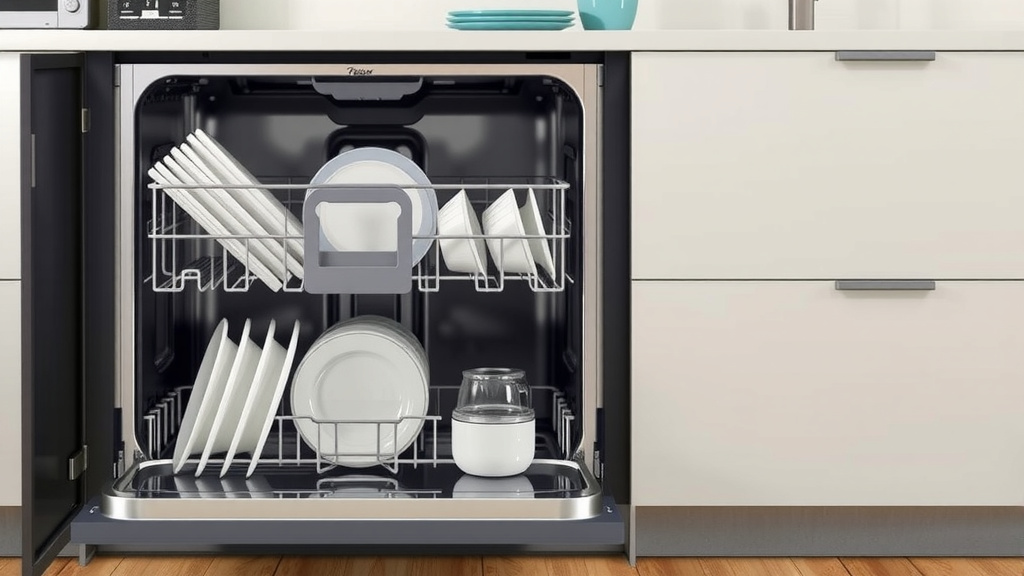
The size of your household directly impacts the dishwasher capacity you need. Standard dishwashers are typically 24 inches wide. This size usually holds about 12-16 place settings. This is often sufficient for a family of four. If you have a larger family or entertain frequently, you might want to consider models with larger capacities. Some dishwashers offer a third rack. This is a slim upper rack, perfect for cutlery, utensils, or small items like lids. Adjustable upper racks are also a lifesaver. They let you create more space on the lower rack for bulky pots and pans.
Third Rack Functionality: A Game Changer
That little extra rack on top can make a huge difference. We found that a third rack is incredibly useful. It’s ideal for silverware, spatulas, and other long utensils. This keeps them from falling through the lower rack. It also frees up valuable space in the silverware basket. Some third racks even have specially designed slots for wine glasses. It’s a feature you might not think you need, but once you have it, you’ll wonder how you lived without it.
Smart Features: Connected Kitchens
Are you interested in smart home technology? Some dishwashers connect to your Wi-Fi. You can often control them via a smartphone app. This allows you to start or stop cycles remotely. You can also receive notifications when a cycle is finished. Some smart dishwashers can even order detergent when you’re running low. Brands like Samsung are known for their smart home integration. While these features are neat, they do come at a higher price point. Think about whether these connected capabilities are worth the extra investment for your household.
Reliability and Efficiency: Long-Term Value
Energy and Water Star Ratings
Dishwashers can use a significant amount of water and energy. Look for the ENERGY STAR® certification. This means the dishwasher meets strict energy efficiency guidelines set by the U.S. Environmental Protection Agency. ENERGY STAR certified dishwashers use less water and energy than standard models. They can save you money on utility bills over time. You’ll also be doing your part for the environment. Many guidelines point to these certifications as a good first step for saving resources (EPA).
Material Matters: Stainless Steel vs. Plastic Tubs
The material of the dishwasher tub can affect its durability and performance. Stainless steel tubs are generally considered more durable and resistant to odors and stains. They also tend to dry dishes better due to condensation drying. Plastic tubs are more common in budget-friendly models. While they work well, they may not last as long as stainless steel. We found that for long-term value and better drying, a stainless steel tub is often a worthwhile upgrade.
What the Experts Say About Reliability
Consumer Reports and other review sites often track dishwasher reliability. Brands that consistently score high for reliability include Bosch, KitchenAid, and Miele. These brands often use high-quality components. This leads to fewer repairs and a longer lifespan. While these brands might have a higher upfront cost, their long-term reliability can make them a more economical choice. It’s worth checking recent reliability ratings before making your final decision.
Making Your Final Choice: A Quick Checklist
To help you narrow down your options, consider this quick checklist:
- What’s your budget for a new dishwasher?
- How many people are in your household?
- Do you need a quiet dishwasher (under 50 dB)?
- Are adjustable racks or a third rack important?
- Do you prefer smart features or basic operation?
- Is energy and water efficiency a priority?
Conclusion
Finding the best dishwasher for your home boils down to balancing your budget with your most important needs. We’ve seen that excellent cleaning power, quiet operation, and effective drying are key. Remember to consider your household size for the right capacity and look for efficiency certifications to save on bills. Brands like Bosch and KitchenAid consistently perform well in reliability, while others offer innovative smart features. Your next step is to compare models based on these factors and read recent reviews to make a confident purchase. You’ll be enjoying sparkling clean dishes in no time!
Frequently Asked Questions
What is the most important factor when choosing a dishwasher?
The most important factor is often a balance of your personal needs and budget. While cleaning power is fundamental, many people prioritize quiet operation or specific drying methods. Consider which of these elements will bring you the most satisfaction day-to-day.
How do I know if a dishwasher will be quiet enough?
Look for the decibel (dB) rating, which measures noise level. We found that anything below 50 dB is generally considered very quiet and won’t disrupt conversations or activities in your home. For truly silent operation, aim for ratings in the low 40s.
Is a third rack really necessary?
A third rack can be a significant convenience, especially for organizing cutlery and small utensils. It frees up space in the main silverware basket and prevents items from falling through. If you have a lot of smaller items to wash regularly, it’s a feature worth considering.
Should I worry about the dishwasher tub material?
Yes, the tub material can impact durability and drying. Stainless steel tubs tend to be more robust, resist odors, and offer better drying performance through condensation. Plastic tubs are common in more budget-friendly models but might not offer the same longevity or drying efficiency.
Are smart dishwasher features worth the extra cost?
Smart features, like app control and remote start, can be convenient if you enjoy connected home technology. However, they often come with a higher price tag. Evaluate if these capabilities are truly necessary for your daily routine or if you can achieve great results with a more traditional, less expensive model.