What’s Inside a Mattress: Layers, Materials, and More
At its core, a mattress is a layered system of comfort and support materials, typically wrapped in a protective fabric cover. It is not just one solid block; it is carefully engineered with distinct layers that work together to support your spine, relieve pressure, and keep you cool. We found that most mattresses share this same basic anatomy, regardless of their price tag.
The main parts inside are the comfort layer, the support core, and the base layer, all held together by the outer upholstery. The specific materials used inside—like memory foam, innerspring coils, or latex—change how the bed feels and how well it lasts. Whether you are shopping for a new bed or just curious about the one you have, it helps to know what you are actually sleeping on. Many experts say that understanding these internal components is the best way to choose the right level of firmness for your body.
- The comfort layer is the soft part on top that contours to your body.
- The support core is usually the thickest part and gives the bed its main strength.
- Innerspring mattresses use steel coils that can be pocketed for motion isolation.
- Foam and latex mattresses rely on dense polyurethane or natural rubber instead.
- The base layer is firmer and stops the rest of the mattress from sagging.
Below, we break down exactly what is inside a mattress, layer by layer, so you can finally understand what you are sleeping on every night. We will keep it simple and honest without all the industry fluff.
Peeking Inside Your Mattress: The Basic Building Blocks
You spend about a third of your life lying on your mattress. That means you should know what is actually inside that big rectangle in your bedroom. We found that every bed on the market uses the same core blueprint, even if the materials get fancy.
Think of your mattress like a sandwich. You have soft bread on top and bottom, and the meat and cheese in the middle. In mattress terms, you have fabric, comfort foam, and a firm support system. Each part does a specific job, and when they work together, you get a great night of sleep.
Opening Up the Outer Cover
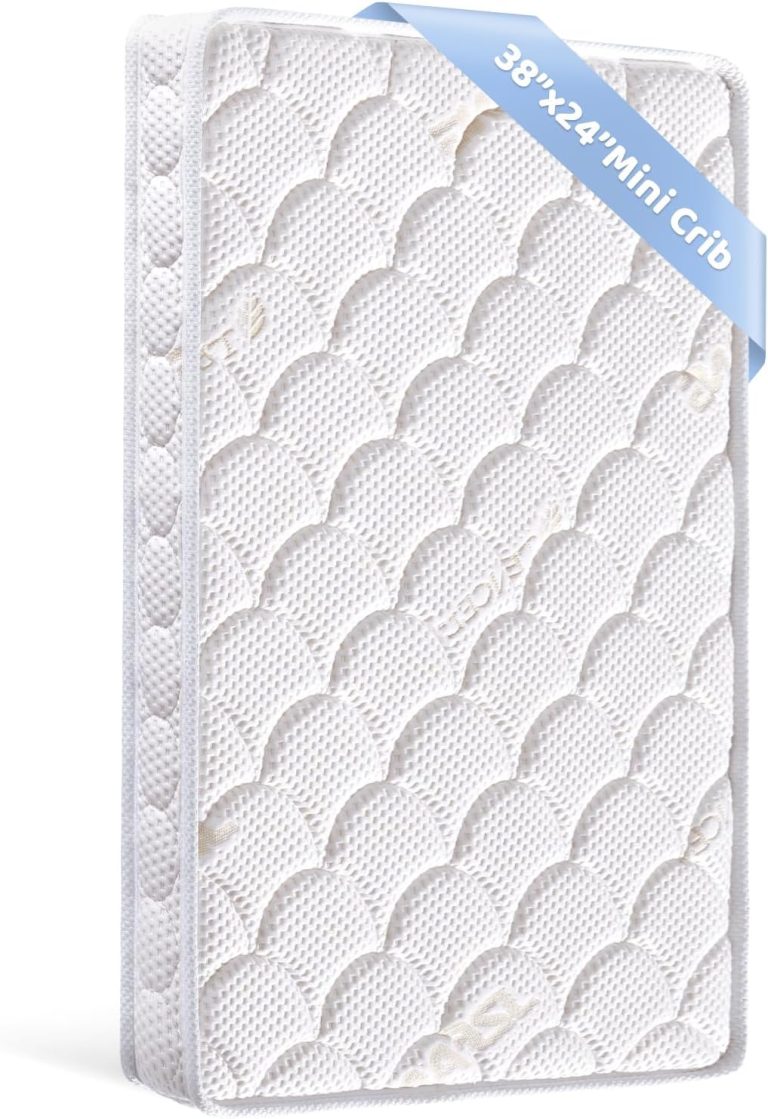
The first thing you see is the cover, which wraps the entire mattress. This is usually made from knitted polyester, cotton, or a blend. Many modern covers include cooling gels or phase-change materials to help pull heat away from your body. This layer is purely aesthetic and functional. It protects the inside components but does not do much for support. We found that some brands treat their covers with antimicrobial agents to keep mold and bacteria at bay.
The Comfort Layer: Where Softness Lives
Right under the cover sits the comfort layer. This is the squishy zone that greets your hips and shoulders first. It relieves pressure and lets your body sink slightly into the bed. The thickness of this layer varies, but it usually measures between one and three inches.
This is the layer that determines if a bed feels plush or firm. Comfort layers commonly use memory foam, latex, or polyurethane foam. Some hybrid beds use micro-coils here, which are tiny springs that add a bit of bounce. The density of the foam matters—higher density means more durability and more support. Many experts say that this layer is also responsible for reducing motion transfer between partners (Mayo Clinic).
The Support Core: The Backbone of Your Bed
Lift the comfort layer out of the way, and you will hit the support core. This is the thickest part of the bed, often making up 60 to 70 percent of the total height. Its main job is to hold your spine in neutral alignment. It keeps your body from sagging too deep into the frame.
The support core is what holds your weight. It prevents the dreaded hammock effect, where your hips dip lower than your shoulders. Without a solid support core, any comfort layer on top would collapse. The material used here dictates the overall feel of the mattress, whether that is springy, bouncy, or solid.
Innerspring Coils: The Traditional Pick
Innerspring mattresses use steel coils for their support core. These coils can be arranged in different ways. Older designs used a single continuous wire, but that has largely been replaced by pocketed coils. Pocketed coils are wrapped individually in fabric, so they move independently. This gives you better motion isolation. When your partner rolls over at 3 a.m., you will not feel a thing. The gauge of the steel determines the firmness. Thicker steel feels firmer, while thinner wire feels softer and more flexible.
Foam and Latex Blocks: The Solid Alternative
Foam mattresses skip the metal entirely. They use a solid block of dense polyurethane foam or latex as the support core. Latex is made from natural rubber sap, and it offers a bouncy, buoyant feel that differs from memory foam. High-density foam cores range from 1.8 to 3.0 pounds per cubic foot. Anything less than 1.8 is low quality and will sag quickly. We found that latex is a favorite among people who sleep hot, since it does not retain body heat as much as synthetic foams.
The Base Layer: The Unsung Hero
At the very bottom is the base layer. This is often a dense, stiff foam that does not flex much. It is the foundation that the entire mattress sits on. It prevents the support core from being crushed against your bed frame. This layer also adds a little bit of height, so the mattress looks substantial and does not bottom out against the slats. It is the least glamorous part, but it is critical for longevity. Without it, your mattress would develop soft spots in a hurry.
Different Materials, Different Feels
Not all mattresses are built the same. We found that the internal materials are often the deciding factor between a good night and a restless one. Below, we break down the three most common construction types so you can spot the difference just by lying down.
Memory Foam: Contouring and Hugging
Memory foam was invented by NASA in the 1960s for airplane seats. It responds to body heat and pressure, molding to your shape. It distributes your weight evenly, which removes pressure from your shoulders and hips. The downside is that some foam traps heat, and it can feel slow to respond. If you like the feeling of being hugged by the mattress, this is your pick.
Innerspring: Bouncy and Cool
Innerspring beds feel supportive and lively. They are excellent for people who change positions often because they have a fast response time. The open space between coils allows for better airflow, which keeps the sleeping surface cooler. However, they do not contour to your curves like foam does. Many innerspring models add a foam top layer to blend the two benefits. You get the bounce of coils with the pressure relief of foam.
Hybrid: The Best of Both Worlds
Hybrid mattresses combine a coil support core with thick layers of foam on top. This design is very popular right now. It offers the responsiveness of springs and the comfort of foam. Research from the National Institutes of Health suggests that proper spinal alignment is easier to achieve with a supportive hybrid construction (NIH). The trade-off is that hybrids are usually heavier and more expensive than single-material beds.
What About Cooling Tech Inside?
Heat retention is a top complaint among sleeper complaints. We found that the internal materials matter more than the bed frame when it comes to temperature regulation. Some foams are infused with gel beads that absorb heat. Others use copper or graphite to conduct heat away. Some mattresses use phase-change materials that absorb heat when your body gets too warm and release it as you cool down.
You should not rely on the marketing words like “cooling” on the box. Check what is actually in the layers. Open-cell foam has larger air pockets that allow better airflow. Latex naturally has a porous structure, making it a good option for hot sleepers. An innerspring bed will generally sleep cooler than solid foam, simply because of the gaps around the coils.
Signs Your Internal Materials Are Worn Out
You cannot see the inside of your mattress, but your body can feel it. You know those mornings when you wake up with a sore lower back or a stiff neck? That is your support core crying for help. As a general rule, a standard mattress lasts between seven and ten years (Cleveland Clinic).
- Visible sagging in the middle of the bed, even with sheets on.
- Loud squeaks or grinding noises when you shift position.
- Waking up with pressure points on your hips or shoulders.
- Dust mites or allergens collecting deep in the comfort layer.
- A persistent sinking feeling when you sit on the edge.
- Throwback from your body leaving a permanent imprint on the foam.
If you notice any of these, it is time to go shopping. Also, if you have had the same bed for more than a decade, the internal support components have likely lost their integrity. Old foam can also release more dust into the air, which can trigger allergies.
Comparing the Core Components Side by Side
If you are deciding between a foam and an innerspring, here is a quick snapshot of what they offer. We put together a simple chart so you can compare them at a glance.
| Feature | Memory Foam | Innerspring | Hybrid |
|---|---|---|---|
| Feel | Slow-moving, hug-like | Firm, bouncy | Balanced pressure relief |
| Motion isolation | Excellent | Poor to fair | Good |
| Temperature | Retains heat | Sleeps cool | Moderate |
| Durability | Good if high density | Good for coils | Very good |
| Weight | Heavy | Light to medium | Heaviest |
Now you know exactly what you are sleeping on. The next time you lie down, think about those layers underneath you. The comfort layer is there for the hug, the support core keeps your spine straight, and the base layer holds it all together. A good mattress is simply a combination of these parts working in harmony. If one breaks down, the whole bed suffers. That is why quality materials inside matter more than fancy stitching on the outside.
So go ahead, press your hand into your mattress. Feel the give of the foam and the pushback of the coils. That is your bed telling you exactly what is inside. Once you understand the anatomy, you will never be fooled by a clever sales pitch again.
Conclusion
You now know the real story hiding under your sheets. Every mattress is a layered system with a comfort layer for pressure relief, a support core for spinal alignment, and a base layer for durability. The materials inside—foam, coils, or latex—are what truly decide how your bed feels and how long it lasts. You also learned how cooling technology works and what signs tell you it is time for a replacement.
Before you buy anything new, use this knowledge like a checklist. Press into the mattress and ask which layer is doing the work. Check the density of the foam and the gauge of the coils. Talk to the salesperson like you know what is inside, because now you do. It is an honest, easy way to protect your sleep and your budget.
Frequently Asked Questions
How long do the materials inside a mattress actually last?
You can usually expect about seven to ten years of solid support from a quality mattress. High-density foam and thick steel coils will outlast cheaper, low-density materials. The way you care for it matters, too. Using a protective mattress pad and rotating the bed every few months helps the inner layers wear evenly and last longer.
Can I open my mattress to see what is inside it?
Opening the outer cover of your mattress will void the warranty immediately, so you should not do it. The cover holds everything together, and cutting into it can ruin the comfort layer and the support core. If you are curious, check the manufacturer’s tag or their website for a detailed layer breakdown instead. That is safer and keeps your new bed protected.
Is a thicker mattress always better than a thin one?
Not necessarily. A thick mattress usually has more comfort foam, but the quality of the support core matters much more than total height. You can have a 12-inch mattress with a flimsy base that sags, while a 10-inch bed with a dense high-quality core will feel better. Focus on the density of the foam and the coil gauge, not just the overall height.
Do all mattress brands use the same internal materials?
No, brands use slightly different blends and densities, even when the names sound similar. Memory foam from one company can feel very different from another brand’s version because of the chemicals and additives used. The same applies to latex and coil systems. You can use this guide to evaluate any brand, but you still need to test the bed yourself to find the feel you like.
What is the most eco-friendly material used inside a mattress?
Organic latex is one of the best choices for a mattress that is kinder to the planet. It is made from the sap of rubber trees, which is a renewable resource. It also breaks down more naturally than synthetic polyurethane foam. You can look for certifications like GOTS or GOLS to verify that the materials are genuinely organic and responsibly sourced.