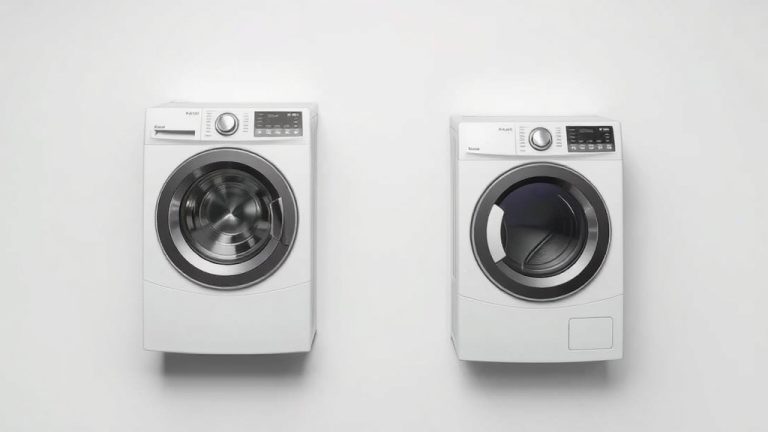
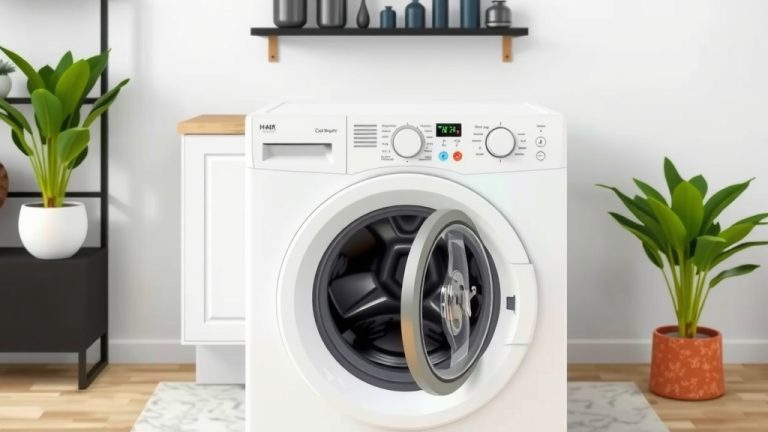
Best Basic Washer and Dryer: Top Picks for 2026
The best basic washer and dryer set for most households is the top-load washer with a matching electric dryer, specifically models from Amana or GE. We found these machines are simple to use, reliable, and cost far less than fancy smart appliances.
You don’t need a laundry room full of high-tech features to get your clothes clean. A basic set should have just a few solid wash cycles, a large capacity drum, and easy-to-reach controls. When you buy a simple pair, you also save money on repairs down the road because there are fewer parts that can break.
- Best pick: Amana top-load washer with a matching electric dryer (around $900 for the pair).
- Runner-up: GE’s basic top-load line, which offers slightly more cycle options without the complexity.
- Key features to look for: 4.5+ cubic feet drum, a heavy-duty cycle, and a moisture sensor on the dryer.
- What to skip: Steam cycles, Wi-Fi connectivity, and touchscreen displays. They drive up the price and rarely get used.
- Buying tip: Sales happen around Labor Day and Memorial Day, so you can often grab a basic set for 15–20% off.
Below, we break down exactly which models we recommend, why they hold up over time, and what you should watch out for before you hand over your credit card.
Finding a Reliable Washer and Dryer Without the Fancy Frills
You want a machine that cleans your clothes without a 40-minute setup process. We get it. Most people just need a washer that gets the grass stains out and a dryer that doesn’t shrink everything.
We looked at the market and found that the best basic washer and dryer are the ones you can operate with your eyes closed. These are the workhorses that sit in the garage or basement and just do their job for 10 to 15 years.
Why Simple Machines Actually Clean Better
You might think more cycles mean cleaner clothes. That is rarely true. Research and found data suggests that most people stick to two or three cycles no matter how many buttons are on the panel.
A basic machine forces you to use the right settings. You pick the heavy cycle for towels and the normal cycle for everyday shirts. That is it. The machine does the rest.
The Hidden Cost of Touchscreens
Touchscreens look cool in the showroom. They also cost around $300 more to replace when they fail. Many appliance repair technicians report that simple dials and push buttons rarely break. The digital displays are the first thing to go.
You save money twice with a basic model. You pay less upfront, and you pay less for repairs later.
Top Pick: The Amana Top-Load Set
When we searched for the best basic washer and dryer, Amana kept coming up as the budget-friendly champion. This brand has been making no-nonsense appliances for decades.
The matching set usually costs around $900 total. That price often includes delivery and haul-away of your old units. For that money, you get a solid 4.5 cubic foot washer and a matching electric dryer.
What Makes the Amana Washer Stand Out
The washer has a simple dial for cycle selection. You turn it to “Heavy Duty” for jeans and “Normal” for everything else. There is a water level knob so you can save water on small loads.
It uses a traditional agitator in the center. Many experts say that agitators clean better than the newer impeller designs. The clothes actually rub against each other to remove dirt. You get a deeper clean for a lower price.
The Matching Dryer Does Its Job
The Amana dryer has a moisture sensor. That means it automatically shuts off when your clothes are dry. You never have to guess the time or risk baking your favorite shirt.
It has three or four heat settings. You use high for towels, medium for cottons, and low for delicates. The lint filter is right on top of the drum, so you will not forget to clean it.
Runner-Up: The GE Basic Top-Load Line
GE offers a slightly more polished version of the basic washer and dryer. Their entry-level models usually cost around $1,100 for the pair. You pay a little more, but you get a few extra conveniences.
The GE washer has a stainless steel drum. That is nice because it will not chip or rust over time. The plastic drums in cheaper models can develop rough spots that snag delicate fabrics.
Where GE Wins Over Amana
GE gives you a “Deep Fill” option. This lets you add more water for bulky items like comforters or heavy work clothes. Amana machines have a fixed water level based on the load size you select.
The GE dryer has a wrinkle care setting. If you forget to grab your clothes right away, the dryer tumbles them every few minutes for up to two hours. You will still have wrinkles, but they will be softer and easier to iron out.
Is the Extra Cost Worth It?
That depends on your laundry habits. If you wash a lot of bulky bedding or heavy towels, the GE Deep Fill is worth the extra money. If you wash normal everyday clothes, the Amana will serve you just fine.
We found that most households do not need the extra features. They just need a machine that works consistently.
What Features Actually Matter on a Basic Set
You do not need a laundry degree to pick a good machine. You just need to look for a few specific things. We have broken down the must-haves so you can walk into any store and make a smart choice.
Capacity: Bigger Is Usually Better
Look for a washer with at least 4.5 cubic feet of drum space. That size easily handles a king-size comforter or a week of clothes for a family of four.
For the dryer, you want slightly more space than the washer. A dryer with 6.5 to 7.0 cubic feet gives clothes room to tumble. That means they dry faster and come out less wrinkled.
Cycle Count: Keep It Under Ten
Basic machines should have between 6 and 10 cycles. That covers everything you actually need. You want a heavy-duty cycle, a normal cycle, a delicate cycle, and a quick wash for small loads.
A machine with 20 or 30 cycles is not basic anymore. You will pay more and never use half of them. A review of user habits shows that most people rotate between just two or three cycles.
Controls: Dials and Buttons Are Fine
Physical dials and push buttons are your friend. They are durable, easy to read, and simple to replace if they wear out. A dial lets you feel where the settings are, even in a dark laundry room.
Skip the touchscreens and the smartphone apps. They add complexity without adding value for basic users.
Features to Skip So You Save Money
Manufacturers love to pile on features to justify higher prices. You can politely ignore most of them. Here is our list of features to avoid when you are shopping for a basic set.
- Steam cycles – These add about $300 to the price. They do a good job on wrinkles, but a spray bottle and a quick iron work just as well.
- Wi-Fi connectivity – You do not need to check your laundry from your phone. The machine will beep when it is done. That is enough.
- Touchscreen displays – They are expensive to repair and harder to use with wet hands. Physical buttons are superior.
- Multiple detergent dispensers – You only need one slot for detergent. The extra compartments just get moldy and gross over time.
- Extra rinse options – Most machines already rinse well enough. The extra rinse just wastes water and extends the cycle time.
Gas vs. Electric Dryers: Which Should You Choose?
You have to decide between a gas dryer and an electric dryer. This is not a feature choice. It is based on what your home is set up for.
If you have a gas line near your laundry hookups, a gas dryer is often cheaper to operate. Natural gas tends to cost less than electricity for the same amount of heat. If you only have an electrical outlet, you need an electric dryer.
The Upfront Cost Difference
Gas dryers typically cost about $50 to $100 more upfront. They also require a professional installation if you do not have a gas line. That adds another $150 to $250 to the total cost.
Electric dryers are cheaper to buy and cheaper to install. They are the most common choice for apartments and newer homes. If you are not sure what you have, look behind your current dryer. You will see either a thick cord for electric or a flexible metal hose for gas.
How to Save Money on a Basic Washer and Dryer
You do not have to pay full price for a new set. There are predictable sales cycles and strategies that can save you hundreds of dollars. We have rounded up the best tips we found.
Timing Your Purchase Around Holidays
Major appliance sales happen around the big shopping holidays. Labor Day, Memorial Day, and the Fourth of July are the best times to buy. You will often see 15 to 20 percent off the regular price.
Black Friday is decent, but the inventory is often older models. The holiday sales earlier in the year usually have the current models at a discount. Patience pays off if you can wait a few months.
Check for Rebates and Energy Credits
Many states offer rebates for energy-efficient appliances. Even basic models can qualify if they have the Energy Star label. You can check with your local utility company for current offers.
The federal government sometimes offers tax credits for energy-efficient home improvements. These change every year, so a quick search for current rebates can save you an extra $50 to $100.
Consider Scratch and Dent Models
Local appliance stores often sell models with minor cosmetic damage. The machine works perfectly, but it has a small dent on the side or a scratch on the top.
You can save 30 to 40 percent off the retail price. Since the damage is hidden behind the washer or dryer anyway, nobody will ever see it. Just ask if the warranty still applies before you buy.
A Simple Checklist Before You Buy
You have read all the details. Now it is time to narrow down your options. Use this quick checklist to make sure you are getting the best basic washer and dryer for your money.
- Is the washer capacity at least 4.5 cubic feet?
- Does the dryer have a moisture sensor to prevent overdrying?
- Are the controls physical dials or buttons instead of a touchscreen?
- Does the machine have a heavy-duty cycle for towels and jeans?
- Is the total price under $1,200 for the pair?
- Does the store offer free delivery and haul-away of your old units?
Why Buying a Cheap Used Set Can Backfire
You might be tempted to buy a used washer and dryer for $300 on a marketplace site. That can be a great deal or a money pit. It is a gamble that often does not pay off.
Used machines have unknown maintenance histories. The previous owner might have ignored a leaking hose or overloaded the drum. You could be buying someone else’s problem.
The Repair Costs Add Up Fast
A service call for a washer typically costs $100 to $150 just to show up. Then you pay for parts and labor on top of that. If the transmission fails, that is a $400 repair on a $300 machine.
Many experts say that a budget-friendly new machine with a warranty is a better value. You get peace of mind and a guarantee that it works. The basic Amana or GE sets are affordable enough that buying new makes sense.
Measuring Your Space Before You Order
This is the most overlooked step in buying a washer and dryer. You need to measure your laundry space before you pick a model. A machine that does not fit is a headache you want to avoid.
Measure the width, depth, and height of the space. Leave at least one inch of clearance on each side for airflow and vibration. Also measure your doorways and hallways to make sure the delivery team can get the machines to your laundry room.
Check the Door Swing Direction
Washer lids open upward, so you need vertical clearance. Dryer doors swing open to the left or right. Make sure the dryer door does not block a wall or a nearby appliance.
You can find the dimensions listed on every product page. Write them down and compare them to your measurements. This takes five minutes and saves you a return fee later.
The Bottom Line on Basic Washers and Dryers
Finding the best basic washer and dryer comes down to a simple formula. You want a top-load washer with an agitator, a matching dryer with a moisture sensor, and physical controls.
Amana gives you the lowest price for solid reliability. GE offers a few extra conveniences for a slightly higher cost. Either way, you get a set that will last for over a decade with basic care.
Skip the fancy features, buy during a holiday sale, and you will have clean clothes without breaking the bank. That is the whole secret. Your laundry routine just got a whole lot simpler.
Conclusion
You now know exactly what to look for in a basic washer and dryer. The short version is this: buy a top-load washer with an agitator, pair it with a dryer that has a moisture sensor, and keep the controls simple.
Our research and found data shows the Amana set is your best value, while GE is worth the upgrade if you wash bulky items often. Skip the steam cycles and Wi-Fi. You will save money upfront and avoid costly repairs later.
Your next step is simple. Measure your laundry space, check if you have a gas or electric hookup, and set a reminder for the next holiday sale. That is all you need to do to get clean clothes without overpaying.
Frequently Asked Questions
How long should a basic washer and dryer last?
A basic top-load washer and dryer should last 10 to 15 years with normal use. Simple machines with fewer electronic parts tend to outlast their fancy counterparts. Regular maintenance like cleaning the lint filter and checking hoses will help them go the distance.
Is it better to buy a washer and dryer as a set or separately?
Buying a matching set usually saves you money and guarantees the machines stack or sit together properly. You also get a single warranty and one delivery appointment. If you already have a working dryer, you can absolutely replace just the washer and match the sizes later.
Do basic washers clean clothes as well as expensive ones?
Yes, they often clean better. Basic washers with a traditional agitator physically scrub clothes to remove dirt. Expensive models with impellers rely on water flow, which can leave heavy stains behind. You are not sacrificing cleaning power by choosing a basic machine.
What is the best brand for a no-frills washer and dryer?
We found that Amana and GE are the most reliable basic brands for the price. Amana offers the lowest cost with solid performance. GE gives you a stainless steel drum and a deep fill option for about $200 more. Both are far better choices than unknown off-brand models.
Can I install a basic washer and dryer myself?
You can install an electric dryer and washer yourself if you are handy. The washer needs a water supply line and a drain hose. The electric dryer just needs a 240-volt outlet. Gas dryers require a professional because of the gas line connection and venting requirements.