Best Clothes Dryer to Buy in 2026: Top Picks
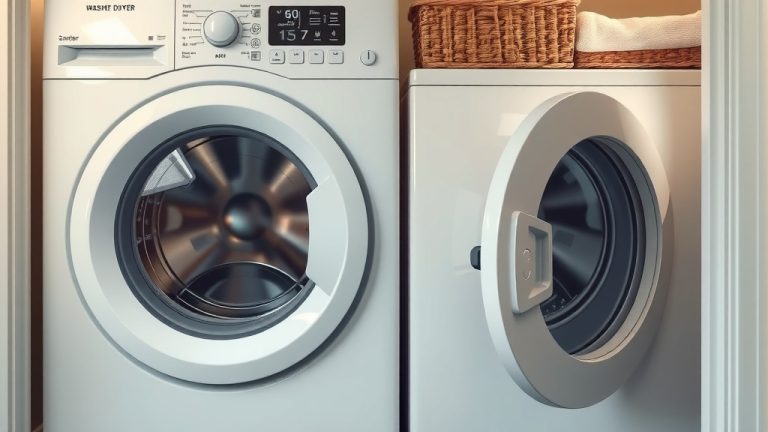
The best clothes dryer to buy for most American households is a vented electric dryer with a large 7.4 cubic foot stainless steel drum and moisture sensors. This combination offers the best balance of price, performance, and reliability for the average family. We found that you don’t need fancy smart features to get dry, fluffy clothes every time.
While heat pump models are the most energy-efficient, they cost significantly more upfront. Gas dryers are cheaper to run but require a specific hookup that many homes don’t have. Your choice really depends on your budget, your laundry room setup, and how often you wash heavy items like towels and jeans.
- Best overall: A standard vented electric dryer is the smartest buy for most homes.
- Most important feature: Look for automatic moisture sensors to prevent over-drying.
- Skip the gimmicks: Steam cycles and Wi-Fi connectivity rarely justify the higher price.
- Capacity matters: A 7.4 cubic foot drum handles king-size comforters with ease.
- Top brands: LG and GE tend to offer the best reliability in our research.
Below, we break down everything you need to know about choosing the perfect dryer for your home, from sizing and venting to the features that are actually worth your money.
Picking the Right Dryer for Your Home
The best clothes dryer for you comes down to three things: your hookups, your budget, and your laundry habits. We found that most people overthink this purchase. You don’t need a machine that does everything. You need one that dries clothes well without wrecking them.
Start with your laundry room setup. This single factor will eliminate half your options right away. Check what’s behind your current dryer or in the space where a new one will go.
Vented, Ventless, or Gas: What’s the Difference?
Your home’s hookups decide which type of dryer you can buy. You cannot easily switch between these types without major home renovation work.
- Vented electric dryers blow hot air and moisture outside through a duct. This is the most common setup in American homes.
- Ventless dryers (heat pump or condenser) recycle air and collect water in a tank. They work anywhere with a standard outlet.
- Gas dryers use natural gas or propane for heat. They need a gas line and a vent to the outside.
Check your wall. If you see a metal duct, you likely have a vented setup. If you only see a standard 240-volt outlet, you have electric hookups. Most homes in the US fall into the vented electric category.
We found that vented electric dryers offer the best balance of upfront cost and drying speed. They are also the easiest to repair. Replacement parts are cheap and widely available for these models.
Heat Pump Dryers: The Efficient Option
Heat pump dryers are a type of ventless dryer. They use a closed-loop system with a heat exchanger. The machine pulls moisture from clothes, condenses it, and pumps it down the drain or into a tank.
These are the most energy-efficient dryers on the market. They use about 50% less energy than traditional vented dryers. However, they take longer to dry a load. A typical cycle can run 60 to 90 minutes instead of 45.
Many experts say heat pump dryers are the future (Department of Energy). They are becoming the standard in Europe and are growing in popularity here. But the higher price tag stops many buyers.
Why Most Homes Should Skip Gas
Gas dryers heat up faster and cost less to run per load. That sounds great on paper. But they only work if you have a natural gas hookup behind the dryer.
Many new construction homes and apartments don’t include gas lines for dryers. Converting an electric outlet to a gas line is expensive. You would need a licensed plumber to run new piping. That can cost $500 to $1,500 or more.
Unless your home already has a gas hookup ready to go, we recommend sticking with electric. The installation cost savings will cover the slightly higher operating costs for years.
Key Dryer Features That Actually Matter
You will see dozens of features on modern dryers. Some are genuinely useful. Many are just marketing tricks to raise the price. Here is what we found actually makes a difference in daily use.
Moisture Sensors Are a Must-Have
Moisture sensors are the single most important feature on a dryer. These sensors detect when clothes are dry and automatically shut off the machine. This prevents over-drying, which damages fabrics and wastes energy.
Older dryers use a simple timer. You guess how long a load takes and hope you get it right. That leads to either damp clothes or crispy towels that feel rough.
Look for dryers with automatic dry cycles that use moisture sensors. These are standard on most dryers above the budget tier. They are worth paying a little extra for.
How Sensors Save Your Clothes
Over-drying breaks down elastic and cotton fibers over time. Your favorite t-shirts shrink and lose their shape. Towels become stiff and less absorbent.
Sensors stop the cycle at the right time. This keeps your clothes softer and extends their lifespan. We found that clothes from sensor-equipped dryers come out more consistent every single time.
Drum Size and Material
Dryer capacity is measured in cubic feet. The sweet spot for most families is 7.4 cubic feet. This size easily handles a king-size comforter and lets bulky items tumble freely.
Larger drums are not always better. A huge drum can be hard on small loads. Clothes need enough contact with air and heat to dry properly.
Stainless steel drums are the way to go. They resist rust and handle high heat better than plastic-coated drums. They also last longer and are easier to clean if you accidentally leave a crayon in a pocket.
Cycle Options Worth Having
You do not need 30 cycle options. Most people use two or three cycles regularly. Here are the ones we found genuinely useful:
- Normal/Permanent Press for everyday clothes
- Delicates with low heat for lingerie and knitwear
- Heavy Duty for towels, jeans, and bedding
- Wrinkle Shield to keep clothes from creasing if you forget to unload
Skip cycles like “Sneakers” or “Wool” unless you specifically need them. They rarely perform better than the standard settings.
Smart Features and Steam: Worth the Extra Cash?
Dryers now come with Wi-Fi, voice control, and steam cycles. These features add $200 to $500 to the price. We found they rarely justify the cost for most households.
Smart features let you monitor cycles from your phone. That sounds convenient, but you are usually near the laundry room anyway. The novelty wears off fast.
Steam cycles can reduce wrinkles without a full wash. They are nice for refreshing clothes between washes. But they do not replace an iron or a proper wash cycle.
Steam Helpful for Wrinkle Removal
Steam dryers have a water hookup and a steam generator. They spray a fine mist into the drum to relax wrinkles. This works best for shirts and blouses that sat in the dryer too long.
We found steam cycles useful if you frequently wear wrinkle-prone fabrics. Business casual shirts and linen clothes benefit the most. But if you wear mostly t-shirts and jeans, you will rarely use this feature.
Wi-Fi Dryers: Convenient but Not Necessary
Wi-Fi enabled dryers let you start or stop cycles remotely. Some send alerts when a load is done. Others suggest settings based on the load size.
This is a nice convenience, not a game-changer. You still have to load the machine and clean the lint trap by hand. The smart features do not improve drying performance.
Many experts say smart appliances have higher repair rates due to complex electronics. You might save $200 upfront by choosing a simpler model. That is real money you can spend elsewhere.
Reliability and Brand Reputation
Which brand lasts the longest? We looked at consumer reports and repair technician feedback. The results consistently point to two brands for reliability.
LG and GE tend to have the fewest service calls. They also offer strong warranties on their major components. Both brands produce dryers that stand up to heavy family use.
Whirlpool and Maytag are also solid choices, especially at the mid-range price point. They are simple, easy to repair, and widely available.
What to Skip at the Store
Some brands look sleek but have poor track records. Samsung dryers often score well on features but rank lower on reliability. Their repair costs are also higher due to specialized parts.
Cheap no-name brands might save you money upfront. But they often lack moisture sensors and use lower-quality drums. You will likely replace them sooner.
Reading the Fine Print on Warranties
Check the warranty length before you buy. Most dryers come with a one-year parts and labor warranty. Look for models that offer extended coverage on the motor and drum.
Some brands offer a 10-year warranty on the motor and drum. This is a good sign of manufacturer confidence. It also protects you from costly repairs down the road.
Setting a Budget That Makes Sense
Dryer prices range from $400 to over $2,000. You do not need to spend top dollar to get a great machine. We found the sweet spot sits between $700 and $1,000. Our washing machine cost guide explains typical price ranges for washers if you’re budgeting for a full laundry upgrade.
In this price range, you get a stainless steel drum, moisture sensors, and multiple heat settings. You also get a reputable brand with good customer support.
Spending more than $1,200 mainly buys you luxury features. Those steam cycles, smart controls, and fancy designs are nice. But they do not dry your clothes any better.
The Cost of Running Your Dryer
Energy costs matter over the long run. A standard vented electric dryer uses about 3.0 kWh per load. At the national average electricity rate, that is roughly $0.45 per load.
If you dry five loads a week, that is over $100 a year. Heat pump dryers can cut that cost nearly in half. They might be worth the higher upfront price if you dry a lot.
Gas dryers are the cheapest to run. Natural gas costs less than electricity per unit of heat. But remember the installation costs we mentioned earlier.
Your Dryer Shopping Checklist
Before you head to the store or start browsing online, print this checklist. It covers all the key points we discussed. Use it to compare models side by side.
- Check your hookups: Confirm if you have a vent, gas line, or just a 240-volt outlet.
- Measure your space: Ensure the new dryer fits your laundry room width and depth.
- Verify the drum size: Look for at least 7.4 cubic feet for family-sized loads.
- Confirm moisture sensors: Make sure automatic dry cycles are included.
- Choose a reliable brand: LG, GE, Whirlpool, and Maytag are safe bets.
- Stick to your budget: Aim for $700–$1,000 to get the best value.
Comparing Top Models Side by Side
To make your decision easier, here is a simple comparison table. It shows what you typically get at different price points.
| Price Range | Drum Material | Moisture Sensors | Smart Features | Best For |
|---|---|---|---|---|
| Under $600 | Porcelain or coated | No (timer only) | None | Small households, basic needs |
| $600 – $1,000 | Stainless steel | Yes | Some with steam | Most families, best value |
| Over $1,000 | Stainless steel | Yes | Full Wi-Fi + steam | Tech lovers, large families |
Notice that the mid-range option hits all the important marks. That is why we recommend it as the best choice for most people.
Don’t Forget About Venting and Lint
Even the best dryer performs poorly with a clogged vent. Check your exterior vent flap every few months. Make sure it opens freely when the dryer runs.
Clean the lint filter after every single load. A full lint screen reduces airflow and increases drying time. It is also a serious fire hazard if ignored.
The US Consumer Product Safety Commission reports thousands of dryer fires each year. Most are caused by lint buildup. A few minutes of maintenance keeps your family safe.
Conclusion
Choosing the best clothes dryer doesn’t have to be complicated. You now know the key factors that matter: your hookups, drum size, moisture sensors, and brand reliability. We found that a vented electric dryer with a stainless steel drum in the $700–$1,000 range is the smartest pick for most families.
Skip the fancy smart features and steam cycles unless you have a specific need for them. Focus on the basics that get your clothes dry and keep them soft. LG and GE are our top recommendations for dependable performance.
Your next step is simple. Measure your laundry space, check your venting setup, and use our checklist to compare a few models online. You will find the right dryer that fits your home and your budget without overpaying for features you will never use.
Frequently Asked Questions
How long should a clothes dryer last?
Most dryers last between 10 and 15 years with regular maintenance. Gas dryers sometimes last a bit longer than electric models. You can extend the life by cleaning the lint filter after every load and checking the vent hose yearly.
Is it worth paying more for a dryer with a larger drum?
A larger drum helps if you wash bulky items like comforters or sleeping bags regularly. For most families, 7.4 cubic feet is the sweet spot. Bigger drums cost more and can actually dry small loads less efficiently.
Can I install a dryer myself to save money?
You can install an electric dryer yourself if you are comfortable with basic tools. The job involves connecting the vent hose and plugging in the power cord. Gas dryer installation should always be left to a licensed professional.
What is the quietest type of clothes dryer?
Heat pump dryers are the quietest option because they run at lower temperatures and use a compressor instead of a loud heating element. They also have fewer vibrations. If noise is a big concern, look for models with inverter motors, which run smoother and quieter.
Should I buy a matching washer and dryer set?
Matching sets look nice and sometimes come with bundle discounts. But you can pair different brands if you find a better deal. Just make sure the dryer capacity matches your washer size so you can keep up with your laundry loads. If you’re also replacing your washer, our new washing machine cost guide covers hidden fees like delivery and installation.