Best Non-Toxic Mattress Guide for Safe Sleep in 2026
The best non-toxic mattress is one made with certified organic materials and zero chemical flame retardants. You want a mattress that has GOTS or GOLS certifications for its materials. This ensures you are not sleeping on harmful chemicals like formaldehyde, VOCs, or toxic glues.
We found that many popular mattresses on the market are loaded with synthetic foams and chemical sprays. These materials can off-gas into your bedroom air for weeks. Choosing a non-toxic mattress means looking for natural latex, organic wool, and organic cotton instead. It is a smart investment for your health and your sleep quality.
- The quick answer: Look for GOTS-certified organic cotton and GOLS-certified organic latex.
- What to avoid: Polyurethane foam, memory foam, and any mattress with chemical flame retardants.
- The best materials: Organic wool (a natural fire barrier), organic cotton, and natural latex.
- Key certifications: GOTS, GOLS, Greenguard Gold, and MADE SAFE are your best friends.
- Budget tip: A mattress topper is a cheaper way to create a non-toxic sleep surface.
Below, we break down exactly what makes a mattress toxic, the best brands we have researched, and how to pick the perfect one for your budget without getting overwhelmed. Let’s get you sleeping cleaner starting tonight. For a broader overview, our step-by-step mattress buying guide covers sleep styles and firmness.
Choosing a Truly Clean and Safe Mattress for Your Home
So, you are on the hunt for the best non-toxic mattress. The good news is that you do not need a chemistry degree to figure this out. You just need to know a few key rules and what to look for on a label.
We have spent hours digging through material lists and safety certifications. We found that the cleanest mattresses are surprisingly simple. They rely on natural materials that have been used for centuries, not lab-created foams. Your goal is to find a bed made from things that grow in nature, not things made in a factory vat.
Why You Should Care About What Is Inside Your Bed
Think about how much time you spend in bed. You are breathing in that air for roughly eight hours every night. If your mattress is releasing chemicals, you are breathing those in too.
Many standard mattresses are made from polyurethane foam. This is essentially petroleum-based plastic. To make it sleepable, manufacturers add a cocktail of chemical flame retardants and adhesives. Research and found data suggest these chemicals can off-gas into the air you breathe (Environmental Protection Agency).
For many people, this is a real health concern. It is not just about a weird smell for the first week. It is about long-term exposure to volatile organic compounds (VOCs). Choosing a natural bed removes that variable from your sleep environment.
Understanding What Makes a Mattress Toxic
You cannot just trust a label that says “Green” or “Eco.” Those words mean very little in the mattress world. You need to look at the actual ingredients. It helps to break the mattress down into its core parts.
The Hidden Risks of Synthetic Foams
Memory foam and standard poly foam are the biggest culprits here. They are cheap to make, which is why they are so common. But they are essentially solid blocks of chemicals.
These foams often contain isocyanates, which are known irritants. They also use chemical blowing agents to make the foam puff up. We found that many customers complain about a strong “new mattress” smell. That smell is the off-gassing of those very chemicals.
If you want a non-toxic mattress, you should skip these materials entirely. There is no way to make polyurethane foam truly non-toxic.
Why Chemical Flame Retardants Are a Red Flag
This is the sneakiest part of a mattress. Federal flammability standards require mattresses to resist open flames. Many companies meet this standard by spraying the foam with chemical flame retardants.
These chemicals have been linked to hormone disruption and other health issues in animal studies. The concerning part is that they accumulate in your body over time (National Institutes of Health). You do not want that buildup happening while you sleep.
Instead, look for a mattress that uses wool as a natural fire barrier. Wool is naturally flame-resistant. It does not need chemical sprays to pass safety tests. It is a simple, effective, and clean solution.
The Glue Problem in Layered Mattresses
Most mattresses are built in layers. To hold those layers together, companies use adhesives. These glues are often packed with VOCs and formaldehyde.
Even if a mattress has a nice organic cotton cover, the glue inside can ruin the whole thing. Look for mattresses that are “glueless” or use mechanical fastening instead. Some use wool fibers as a natural adhesive layer. That is a much cleaner approach.
Breaking Down the Best Non-Toxic Materials
Once you know what to avoid, the good stuff is easy to spot. The best non-toxic mattress will be built on a foundation of natural materials. Here is what you want to see on the spec sheet.
Organic Latex: The Gold Standard Core
Latex is the best alternative to memory foam. It has that same bouncy, supportive feel. But natural latex comes from the sap of rubber trees. It is a renewable resource, not a petroleum product.
You want to look for GOLS certification on the latex. This ensures it is truly organic and not contaminated with synthetic fillers. Latex is also naturally resistant to dust mites and mold, which is a huge bonus for allergy sufferers.
It does feel different than foam. It is more springy and responsive. If you are looking for that “hug” feeling of memory foam, latex might feel a bit firmer at first. But it provides excellent support and lasts much longer.
Organic Cotton and Wool: Your Clean Comfort Layer
These are the materials that touch your skin and keep you safe. The best non-toxic mattress uses these in the top layers and the cover.
Look for GOTS certification for cotton. This is the strictest standard for organic textiles. It ensures no pesticides were used in growing the cotton. It also verifies that the processing is safe for workers and the environment.
Wool is the miracle layer that often gets overlooked. It regulates your body temperature by wicking away moisture. It also acts as a natural fire barrier, replacing those nasty chemical sprays. Plus, it is naturally breathable, which helps you sleep cooler.
Certifications That Actually Matter for Safety
Certifications are not just stickers on a box. They are your proof that the mattress meets strict standards. You should not rely on a brand’s marketing page alone. Look for third-party verification.
Reading the Fine Print on Organic Labels
You will see two main certifications in this space. GOTS is for textiles like cotton and wool. GOLS is specifically for organic latex. If a mattress has both of these, you are in great shape.
There is also the Greenguard Gold certification. This tests for thousands of chemical emissions. It ensures the product is safe for use in schools and healthcare facilities. It is a great indicator that a mattress has low VOC levels.
We found that many brands claim to be “organic” but only have a small percentage of organic materials. You need to check the specific certifications for each layer. A mattress can have an organic cover and a toxic foam core.
Comparing Your Options: A Quick Reference
To make this easier, we put together a simple table. It compares the three main types of “healthy” mattresses you will see online and in stores. This will help you narrow down your search.
| Type | Main Material | Feel | Durability |
|---|---|---|---|
| 100% Natural Latex | Rubber tree sap | Firm, bouncy, supportive | Excellent (15-20 years) |
| Hybrid (Latex + Coils) | Latex + steel coils | Medium firm, responsive | Very Good (12-15 years) |
| Organic Wool/Cotton Core | Compressed wool/cotton | Soft, plush, cradling | Good (10-12 years) |
Latex vs. Wool: Which One Is Right for You?
If you like a firm, supportive bed, go with latex. It is the most popular choice for a reason. It offers that “floating on top” feeling that back sleepers love.
If you prefer a softer, more traditional pillow-top feel, look for a wool core. These mattresses are softer and quieter than latex. They are also excellent for temperature regulation.
You can also find hybrids that combine latex with a wool comfort layer. This gives you the support of latex with the plushness of wool. It is the best of both worlds for many sleepers.
How to Find a Clean Mattress on a Budget
Let’s be real. Organic mattresses can be expensive. They can cost two to three times more than a standard memory foam bed. But you do not have to break the bank to sleep cleaner.
Consider a Non-Toxic Mattress Topper
This is our favorite budget hack. If your current mattress is still in good shape, you do not need to throw it away. You can cover it with a non-toxic layer.
A 3-inch organic latex topper can completely change the feel of your bed. It adds a clean barrier between you and the toxic foam underneath. Just make sure you buy a certified organic one.
This will not solve the off-gassing issue entirely, but it significantly reduces your exposure. It is a great way to improve your sleep health for a fraction of the cost of a new bed.
Your Final Non-Toxic Mattress Shopping Checklist
You are almost ready to make your purchase. Keep this checklist handy when you are browsing online or in a store. It will help you avoid the marketing hype and focus on what matters.
- Check for GOTS and GOLS certifications on the specific materials, not just the overall brand.
- Confirm the core is 100% natural latex, not a blend or synthetic latex.
- Look for a wool fire barrier instead of chemical flame retardants.
- Ask about adhesives and look for glueless construction or wool bonding.
- Verify Greenguard Gold certification for low VOC emissions.
- Read the fine print to ensure there are no hidden polyurethane layers.
Take your time with this decision. A mattress is a long-term purchase. When you find one with these features, you can rest easy knowing you are sleeping on something truly clean.
Conclusion
Finding the best non-toxic mattress comes down to one simple rule: check the materials, not the marketing. You want certified organic cotton, wool, and natural latex. You want to see GOTS, GOLS, and Greenguard Gold on the spec sheet.
Skip anything with polyurethane foam or chemical flame retardants. Your sleep environment matters, and you spend a third of your life in bed. You deserve a mattress that supports your health, not one that works against it.
Start your search today with our shopping checklist. Compare certifications, read the fine print, and choose a mattress built on natural materials. Your body will thank you every single night.
Frequently Asked Questions
How long does a non-toxic mattress last compared to a regular one?
Natural latex mattresses typically last 15 to 20 years. Standard memory foam beds usually need replacing after 7 to 10 years. You will likely save money over time because you will not need to replace it as often.
Do organic mattresses sleep hotter than foam mattresses?
No, they usually sleep cooler. Wool and cotton are naturally breathable materials that wick moisture away from your body. Latex also has an open-cell structure that allows better airflow than dense memory foam.
Can I use a non-toxic mattress on an adjustable bed frame?
Yes, most natural latex mattresses work fine on adjustable bases. They are flexible and durable enough to bend without damage. Just check the manufacturer’s warranty to confirm your specific model is compatible.
Are non-toxic mattresses safe for babies and toddlers?
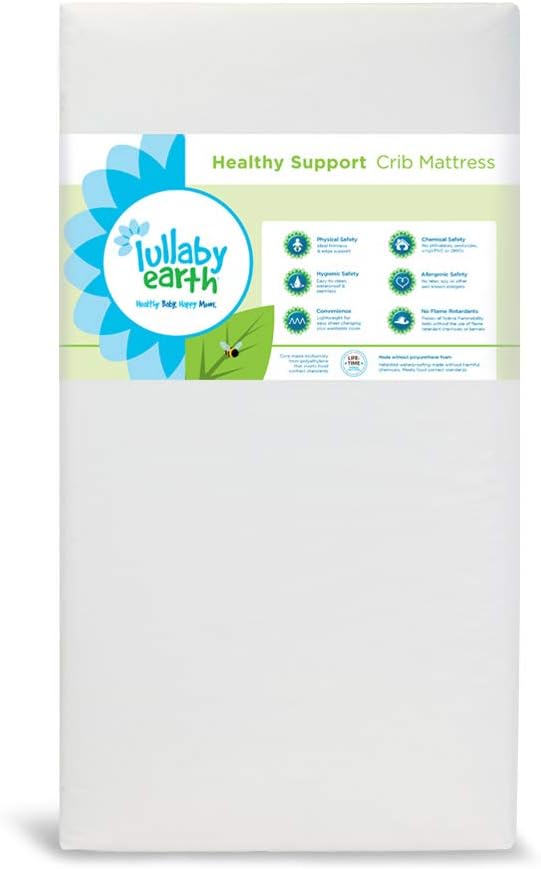
Yes, they are an excellent choice for children. Organic materials mean fewer chemicals near your child’s developing body. Look for a firm, certified organic mattress specifically designed for cribs or toddler beds. For more on safe options for children, see our guide to the best kids twin mattresses.
Is the “new mattress smell” a sign that the mattress is toxic?
It can be. That strong chemical odor usually comes from off-gassing VOCs in synthetic foams and adhesives. A truly non-toxic mattress may have a slight natural smell from wool or latex, but it should fade quickly and never smell like chemicals.