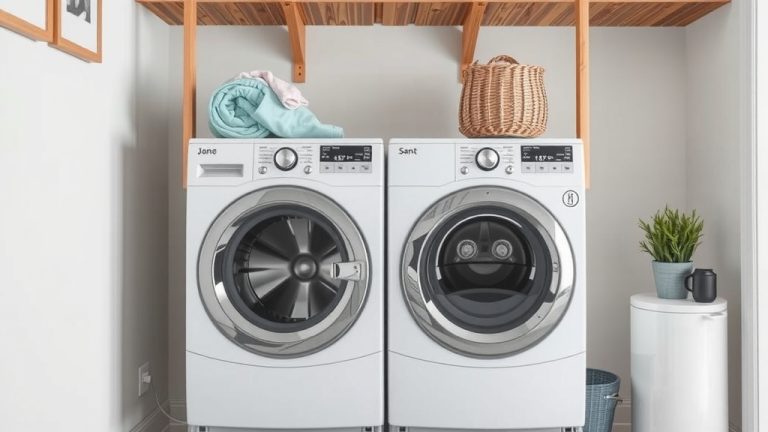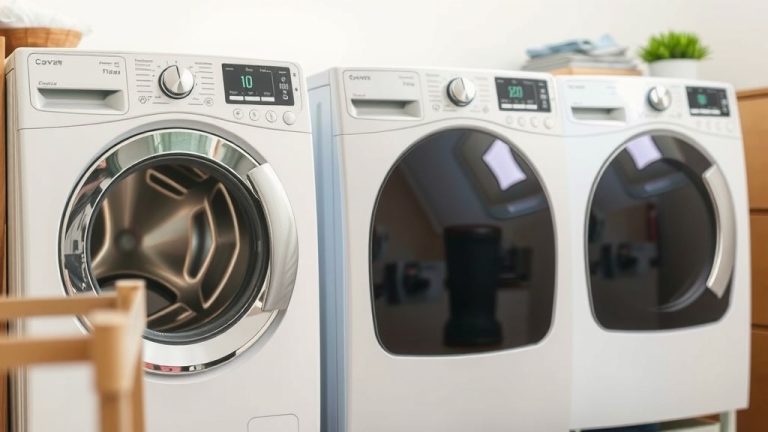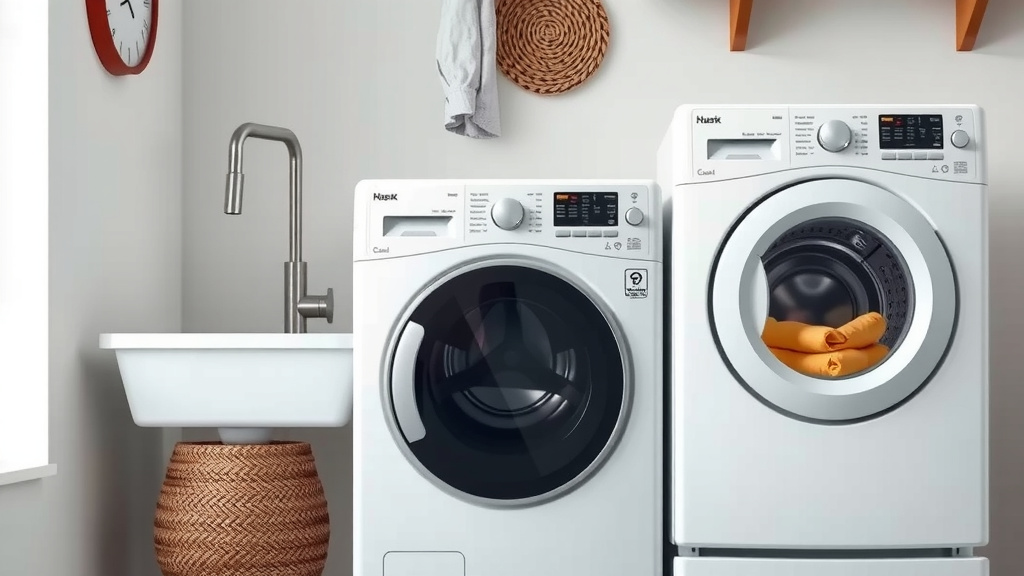
Largest Stackable Washer Dryer Size Guide
When you’re looking for the largest stackable washer and dryer units, you’ll typically find capacities around 4.5 to 5.0 cubic feet for the washer. This allows you to wash larger loads, like king-size comforters, without needing multiple cycles. Remember that the dryer size will often match the washer’s capacity.
Choosing the right size is key for convenience. A larger capacity means fewer trips to the laundry room. You’ll want to consider both the overall dimensions of the unit and the internal drum size. Many manufacturers offer models designed for maximum capacity within standard stackable footprints.
- The largest stackable washers typically hold 4.5 to 5.0 cubic feet.
- Dryer capacity usually matches the washer.
- Check both external dimensions and internal drum size.
- Larger units mean fewer loads for your family.
Let’s dive into what makes a stackable unit large and what you should look for to fit your needs.
You’ve got a growing family, or maybe just a serious love for big blankets. Whatever the reason, you need a laundry solution that can keep up. Stackable units are fantastic for saving space, but what happens when you need more capacity? Let’s look at how much these space-saving machines can actually hold.
Maximizing Capacity in Stackable Laundry Units
Finding the largest stackable washer and dryer often means looking for units with the biggest drum size. We’re talking about washers that can handle bulky items like bedding and large towels. These larger capacities are designed to reduce the number of loads you need to do each week. This can be a huge time-saver for busy households. Many manufacturers offer models that push the boundaries of what’s possible in a stackable design.
Understanding Washer Capacity: Cubic Feet Explained
Washer capacity is measured in cubic feet. This tells you the internal volume of the drum. A larger cubic foot number means you can fit more clothes inside. For stackable washers, the top end of the range is typically between 4.5 and 5.0 cubic feet. This is a pretty generous size for a compact unit. It’s enough to handle a king-size comforter or a week’s worth of family laundry in one go.
What Does 5.0 Cubic Feet Really Mean?
Think of it this way: a 5.0 cubic foot washer can hold roughly 15-20 pounds of dry laundry. That’s a lot! It’s comparable to the capacity of many freestanding washers. You’ll be able to wash larger loads without overstuffing the machine. This also helps your clothes get cleaner because they have more room to move around during the wash cycle.
Dryer Capacity: Matching the Washer
When you’re looking at stackable washer and dryer pairs, the dryer’s capacity usually matches the washer’s. If you choose a 4.5 cubic foot washer, expect a 4.5 cubic foot dryer. This ensures that your clothes have enough room to tumble freely and dry efficiently. Overloading a dryer can lead to longer drying times and wrinkled clothes. A matched set provides the best performance for your laundry needs.
Why Dryer Size Matters
Just like with the washer, a larger dryer drum means clothes can tumble better. This allows air to circulate more effectively. Proper air circulation is key for even and efficient drying. It also helps reduce static cling and wrinkles. When your dryer capacity matches your washer, you won’t have damp clothes piling up waiting to be dried.
Key Features for Large Capacity Stackables
When you’re shopping for the biggest stackable units, pay attention to a few key features. These can make a big difference in how much laundry you can actually get done. Some designs are more efficient with their internal space than others. It’s not just about the total cubic feet; it’s also about how well that space is utilized.
Internal Drum Design and Load Size
The shape and depth of the drum play a role. Some washers have deeper drums, which can accommodate bulkier items better. Look for models that explicitly state they can handle king-size bedding. These are usually your best bet for maximum capacity. Manufacturers often highlight these capabilities in their product descriptions. Don’t be afraid to look for those mentions.
Bulky Item Cycles
Many larger capacity machines come with specialized cycles for bulky items. These cycles often use different water levels and wash actions. They are designed to clean large, heavy items effectively. A cycle specifically for comforters or bedding ensures your large loads get the attention they need. It’s a sign the machine is built for more than just everyday clothes.
Energy Efficiency and Water Usage
While you want a large capacity, you also don’t want your utility bills to skyrocket. Thankfully, many large-capacity stackable units are designed with energy efficiency in mind. Look for the ENERGY STAR certification. This means the appliance meets strict energy efficiency guidelines set by the EPA. High-efficiency (HE) models use less water and less energy per load. This is good for your wallet and the environment.
Understanding HE Washers
High-efficiency washers use about 30-50% less water than older, traditional models. They often use sensors to detect the load size and adjust the water level accordingly. This is a smart feature that prevents wasted water, even in large drums. You might notice they use less water than you’re used to. That’s normal for HE technology.

Choosing the Right Fit for Your Space and Needs
Before you get too excited about the biggest drum size, remember to measure! Stackable units have specific dimension requirements. Even a large-capacity washer might not fit if it’s too deep or too tall for your designated laundry nook. Always check the external dimensions of both the washer and dryer.
External Dimensions vs. Internal Capacity
This is a critical step. A washer might boast a huge 5.0 cubic feet capacity, but if it’s a few inches too deep for your closet or alcove, it’s a no-go. You need to ensure there’s enough clearance for the doors to open fully, for ventilation, and for any necessary hoses. A tape measure is your best friend here. Measure your existing space carefully.
Don’t Forget Ventilation and Clearances
Many manufacturers provide recommended clearances for the sides, back, and top of the units. These are important for proper airflow and to prevent overheating. For stackable units, consider the space needed when the dryer is on top. You’ll want to be able to access controls and load/unload easily.
Here’s a quick checklist to help you find the largest stackable washer and dryer that’s right for you:
- Measure your laundry space precisely.
- Note recommended clearances for the units.
- Check the washer’s cubic feet capacity (aim for 4.5-5.0 cu. ft.).
- Verify the dryer’s capacity matches the washer.
- Look for ENERGY STAR certification.
- Consider specialized cycles for bulky items.
By keeping these points in mind, you can find a stackable laundry set that offers impressive capacity without sacrificing your precious living space. Happy laundry hunting!
Conclusion
You’ve learned that the largest stackable washers typically hit around 4.5 to 5.0 cubic feet, letting you tackle big loads like king-size comforters. Remember that the matching dryer ensures efficient drying for these large capacities. By checking both internal drum size and external dimensions, you can find a unit that maximizes your laundry throughput without exceeding your available space. Your next step is to measure your laundry area carefully and compare those measurements against the specifications of the largest stackable models you find. This careful planning will ensure your new, high-capacity laundry solution fits perfectly.
Frequently Asked Questions
Can a 5.0 cubic foot stackable washer really fit a king-size comforter?
Yes, a 5.0 cubic foot washer is generally large enough to accommodate a king-size comforter. These large drums provide ample space for bulky bedding to move freely and get thoroughly cleaned during the wash cycle.
Are the largest stackable washer and dryer units more energy-efficient?
Many newer, large-capacity stackable units are designed with energy efficiency in mind, often featuring ENERGY STAR certification. Look for high-efficiency (HE) models that use less water and power, even with their larger drums.
What if my laundry space is very narrow? Are there still large-capacity options?
Even in narrow spaces, you can find large-capacity stackables. Manufacturers optimize internal drum space within standard footprints. Always check the external dimensions carefully to ensure a proper fit for your specific alcove or closet.
Does a larger capacity mean longer wash or dry times?
Not necessarily. While larger loads might take slightly longer, modern technology in high-capacity machines, like specialized bulky item cycles and efficient drying systems, aims to keep times reasonable. A matched washer and dryer set also helps prevent bottlenecks.
Is it okay if the dryer capacity is slightly smaller than the washer’s in a stackable set?
It’s best to find a set where the dryer capacity closely matches the washer’s. If the dryer is significantly smaller, you might end up with damp clothes that can’t tumble freely, leading to longer drying times and wrinkles. Aim for a matched set for optimal performance.