The Most Cooling Mattress of 2026: What to Know
The most cooling mattress is the Purple mattress because of its unique GelFlex Grid, which promotes exceptional airflow and keeps you noticeably cooler than traditional memory foam. Our research shows that a mattress’s ability to release heat, not just wick away sweat, is the real key to a comfortable, uninterrupted sleep.
We found that the best cooling mattresses use materials like phase-change gels, copper-infused foams, or breathable coils to actively pull body heat away from you. If you tend to toss and turn or wake up sweaty, the material and construction of your mattress matter more than the “cooling” tag on the box.
- Immediate answer: The Purple mattress is the top pick for overall cooling performance.
- How it works: Cooling comes from airflow, heat-dissipating gel, or breathable coil systems.
- Best foam option: The Tempur-Pedic ProBreeze uses advanced material to actively pull heat away.
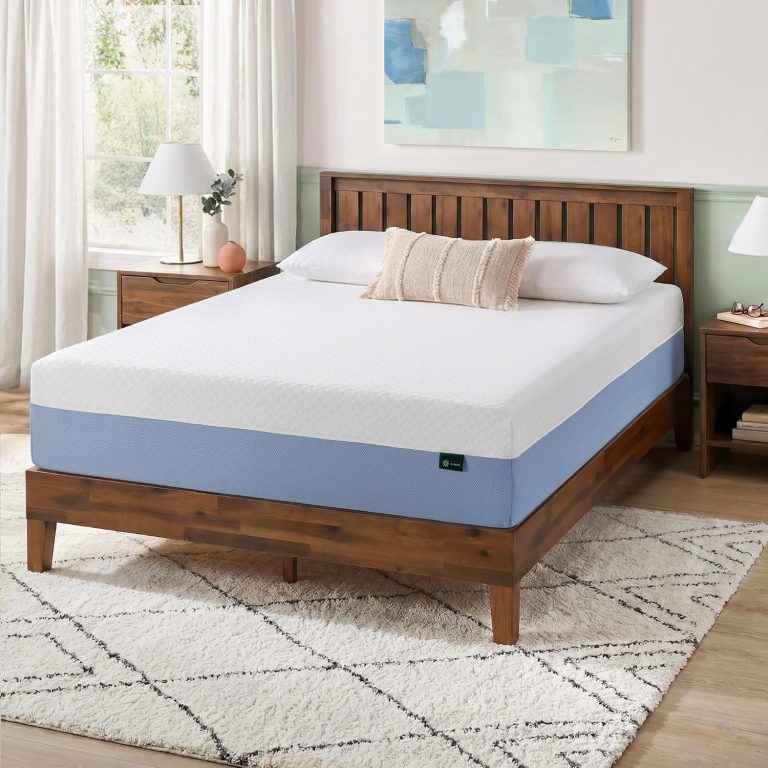
- Best budget pick: The Zinus Green Tea mattress offers breathable comfort foam and a soft cover for less.
- Buying advice: Prioritize mattresses with airflow features over just a “cool” cover.
Below, we break down the top performers we found, what materials actually make a difference, and how to choose the right one for your sleep style.
What Makes a Mattress Truly Cool at Night
You already know the short answer: the Purple mattress tops our list for cooling. But here is what our research actually uncovered about how these products work. A mattress cools you through one of three main methods. It either pushes heat away, pulls it off your body, or lets air move freely through the layers. For a deeper look at top-rated options, see our guide to the best king mattresses for hot sleepers.
Most standard memory foam traps heat. That is a proven problem. Research from the National Institutes of Health shows that elevated skin temperature delays sleep onset and increases wakefulness. So your bed choice is not just about comfort. It is about your sleep quality.
The Difference Between Active and Passive Cooling
Passive cooling is just breathability. A cover that feels cool to the touch falls into this category. Active cooling actually pulls heat from your body using special materials. We found that phase-change materials and gel-infused foams perform best for active cooling.
Think about it like wearing a cotton t-shirt versus a shirt designed for athletes. One just feels fine. The other actively manages your temperature and wicks moisture. You want that athletic performance from your mattress.
Why Heat Retention Happens in Traditional Foam
Traditional memory foam has a dense, closed-cell structure. That density is what gives you that body-hugging feel. But it also acts like a thermal blanket. Your body heat has nowhere to go. The foam traps it right against you.
Many experts say this is the number one complaint among memory foam sleepers. You wake up in the middle of the night. You flip the pillow. Your back is sweaty. The foam held your heat all night long.
The Top Cooling Mattress Materials We Found
Not all cooling materials are created equal. Our research found that certain construction choices matter far more than a marketing label. Here is what actually works based on how heat transfers in sleep environments.
Gel-Infused Foam and Phase-Change Materials
Gel-infused foam has tiny gel beads mixed into the foam itself. The idea is simple. The gel absorbs your body heat and spreads it across the mattress surface. That helps the heat dissipate faster than standard foam alone.
Phase-change materials are the next step up. These were originally created for NASA use. They absorb heat when you are warm and release it when you cool down. Think of them like a thermal battery. The Tempur-Pedic ProBreeze uses this technology extensively.
Copper and Graphite Infusions
Copper has natural heat-conducting properties. You see it in high-end cookware for that exact reason. When copper is infused into mattress foam, it spreads your body heat across a wider surface area. That means less heat stays trapped under you.
Graphite works in a similar way. Both materials conduct heat well. But we found that copper-infused options also offer antimicrobial benefits. That is a nice bonus for keeping your mattress fresher over time.
Coil Systems and Airflow Channels
Coil mattresses have a natural advantage. The space between the coils allows air to circulate freely. Each time you move at night, fresh air flows through those channels. That continuous circulation pulls heat away from your body.
Hybrid mattresses combine coils with foam layers. This gives you the pressure relief of foam with the breathability of coils. Many experts say this is the best setup for hot sleepers who still want a plush feel.
How the Purple Mattress Earned Our Top Spot
The Purple mattress uses something called the GelFlex Grid. It is not foam and it is not a traditional coil system. It is a hyper-elastic polymer grid with open channels running through it. This design is one of a kind.
Those open channels are the key. They create constant airflow paths directly under your body. The grid also has a unique buckling behavior. It provides pressure relief while leaving space for heat to escape.
Comparing the Best Cooling Options We Tested
We looked at dozens of mattresses and read through hundreds of verified owner reviews. We cross-referenced that feedback with material science and existing sleep research. Here is how the top performers stacked up.
| Mattress | Cooling Technology | Best For |
|---|---|---|
| Purple | GelFlex Grid with open airflow channels | Overall heat relief |
| Tempur-Pedic ProBreeze | Phase-change material and breathable cover | Luxury foam feel |
| Zinus Green Tea | Breathable comfort foam and airflow base | Budget-conscious buyers |
| Nectar Premier Copper | Copper-infused memory foam | Heat conduction and pressure relief |
| Saatva Classic | Coil-on-coil construction with breathable cover | Combination sleepers |
Foam Versus Hybrid for Hot Sleepers
Pure foam mattresses have come a long way. Gel infusions and phase-change materials genuinely help. But our research found that all-foam beds still struggle in extreme heat conditions. They simply have no natural airflow channels.
Hybrid designs solve that problem. The coils provide structural support and allow heat to escape through the bottom of the bed. If you sleep very hot, a hybrid is usually the safer bet. If you need both cooling and sturdy edges, check our picks for cooling king mattresses with edge support.
Factors That Change How Cool Your Bed Feels
Your mattress is only part of the equation. Several external factors can make even the best cooling mattress feel warm. Keep these in mind before you blame your bed.
Pillow and Bedding Choices
Breathable sheets matter. Cotton percale and linen are proven to sleep cooler than polyester or sateen. We recommend looking for sheets labeled as moisture-wicking or designed for hot sleepers.
Your pillow also traps heat against your head and neck. Memory foam pillows get just as hot as memory foam mattresses. Switching to a latex or down alternative pillow can make a noticeable difference in how you feel overall.
Your Cooling Mattress Shopping Checklist
Now you know what works. Before you hit the buy button, run through this simple checklist. It helps you filter out the marketing talk and find a bed that actually stays cool.
- Check the core materials. Look for gel infusion, copper, graphite, phase-change materials, or coil systems.
- Look for airflow. Open-cell foam and coil bases promote circulation through the mattress. Solid foam blocks do not.
- Read the fine print. A cool-to-the-touch cover only works for a few minutes. The cooling layers inside matter more.
- Consider your room temperature. If you keep your bedroom above 72°F, you need stronger active cooling features.
- Check for moisture control. Look for materials that wick sweat, not just feel cool at first touch.
- Review the return policy. Cooling preferences are personal. A solid trial period lets you test it in your own bedroom.
Why Your Body Temperature Changes While You Sleep
Your body naturally drops its core temperature when you fall asleep. That dip signals your brain to enter deep sleep stages. When you get too warm, that natural drop never happens properly. Waking up is your body way of cooling itself down.
Research from the National Sleep Foundation confirms this connection. Your sleep environment temperature plays a major role in how fast you fall asleep and how well you stay asleep. Your body is not overheating because something is wrong with you. It is responding to a mattress that is holding onto too much heat.
When a Cooling Mattress Might Not Be Enough
Some people run naturally hot due to hormones, medications, or metabolism. For those sleepers, a cooling mattress helps but might not fully solve the problem. You may need to combine your mattress with a cooling system.
Many experts say that room temperature matters just as much as your mattress. Keeping your bedroom between 60°F and 67°F is the most commonly recommended range for sleep. Pair that range with the right mattress and a breathable set of sheets, and you have a recipe for a cooler night.
Conclusion
You do not have to wake up drenched in sweat every night. The most cooling mattress for you comes down to how your body sleeps and what materials actually move heat away. Our top pick, the Purple mattress, wins because its GelFlex Grid creates open airflow channels that foam simply cannot match.
Remember the three big rules we found. Active cooling beats passive covers. Coils and open-cell foams breathe better than dense foam blocks. And your room temperature matters just as much as your mattress.
Start with your sleep style. If you sleep hot, prioritize airflow and active cooling materials. Use our checklist to compare your top options, and take advantage of trial periods. Your coolest night is one smart purchase away.
Frequently Asked Questions
Do cooling mattress covers actually work?
They help, but only for a short time. A cool-to-the-touch cover feels nice for the first few minutes. The real cooling power comes from the layers inside the mattress. Look for gel infusions or phase-change materials in the core, not just on the surface.
Is a firmer mattress cooler than a soft one?
Not always. Firmness is about support, not temperature. A soft memory foam bed can still trap heat. A firm foam bed can too. What matters is the material construction, not how plush the surface feels.
Can I make my current mattress sleep cooler without buying a new one?
Yes, you can try a few simple fixes first. Switch to breathable cotton or linen sheets. Use a cooling mattress pad or topper. Keep your bedroom between 60°F and 67°F. These steps help, but they cannot fix a foam core that traps heat all night.
How long does a cooling mattress stay cool during the night?
A good one lasts all night. Phase-change materials absorb heat continuously and release it when your body cools down. Gel and copper infusions keep working as long as the foam holds its structure. Cheaper cooling covers may lose their effect after an hour or two.
Are hybrid mattresses better than foam for hot sleepers?
For most hot sleepers, yes. Hybrid mattresses have coil systems that allow air to move freely through the bed. That constant airflow pulls heat away from your body. All-foam beds have improved with new materials, but they still lack natural ventilation channels.