Front Load Washer Size: What You Need to Know
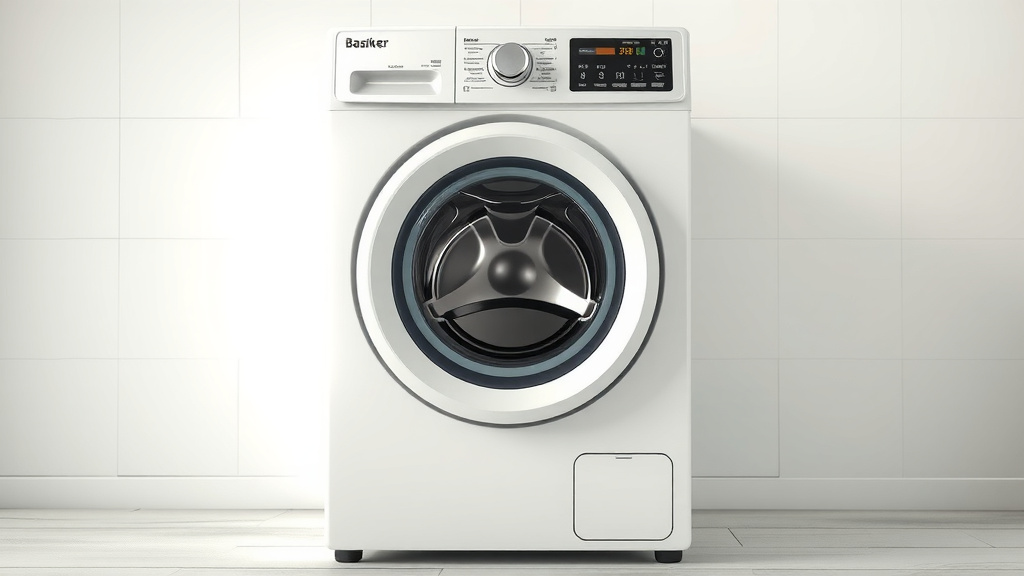
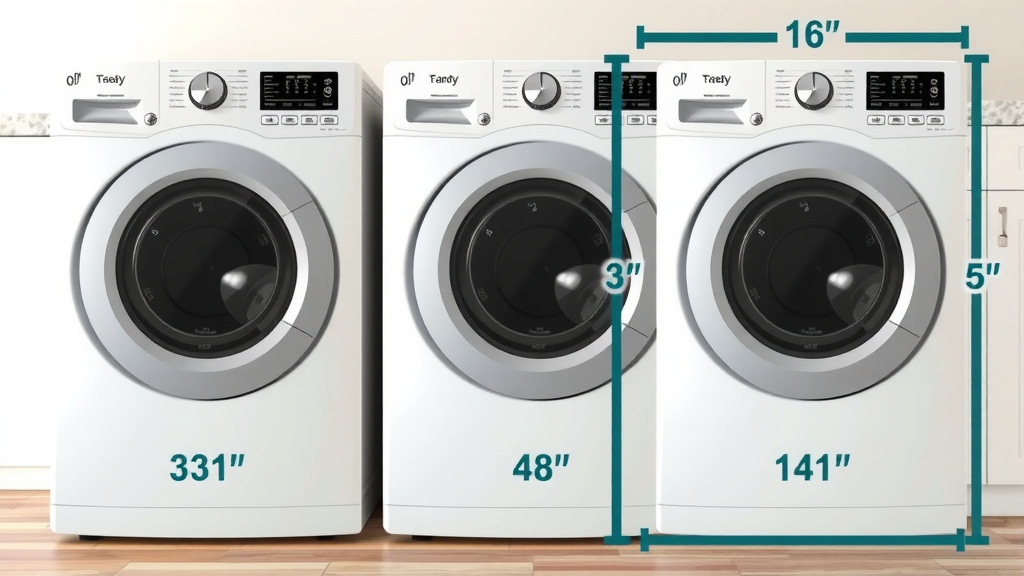
The size of a front load washing machine can vary, but most standard models measure around 27 inches wide. They typically stand about 39 inches tall and are roughly 30-34 inches deep. When choosing, consider your laundry needs and available space to ensure a good fit for your home.
Understanding the dimensions is key to a smooth installation. You’ll want to measure not only the machine itself but also doorways, hallways, and the laundry area. Many people find that a compact front loader is perfect for smaller apartments, while larger families might need a high-capacity model to handle bigger loads efficiently.
- Front load washers are typically 27 inches wide.
- Height is usually around 39 inches.
- Depth can range from 30 to 34 inches.
- Always measure your doorways and laundry space.
- Consider load size when picking a capacity.
Below, we’ll break down the typical dimensions and help you figure out the best size for your laundry room and your life.
Understanding Front Load Washer Dimensions
When you’re looking at front load washing machines, figuring out the right size is super important. You don’t want to get a beautiful new washer only to find it won’t fit through your doorway or into its designated spot. We’ve found that most standard front load washers share similar dimensions, but there are slight variations to keep in mind.
Standard Width: The Most Common Measurement
The width is usually the first dimension people consider. For most front load washing machines, this measurement hovers around 27 inches. This is a pretty standard size that fits into most laundry spaces designed for full-size appliances. It’s a good starting point when you’re measuring your home.
Height: Reaching for the Top
The height of a front load washer typically falls around 39 inches. This measurement is usually from the floor to the very top of the machine. Some models might be slightly taller, especially those with control panels that extend a bit higher. Always double-check the exact height if you have overhead cabinets or shelving in your laundry area.
Depth: How Much Space It Takes Up
Depth is another critical measurement, as it dictates how far the machine will stick out into your room. Standard front load washers generally range from 30 to 34 inches in depth. This measurement often includes the door and any hoses or connections at the back. You’ll need to account for this space, plus a little extra for airflow and access.
Considering the Door Swing
Don’t forget the door! The door on a front load washer swings outward. You’ll need to ensure there’s enough clearance for the door to open fully without hitting walls, cabinets, or other appliances. A fully open door can add another 20-30 inches to the overall space requirement.
Beyond the Standard: Compact and High-Capacity Models
While 27 inches wide is common, not all front load washers are the same. Your laundry needs and space limitations might call for something different. We’ve seen that the market offers a range of sizes to suit various homes.
Compact Front Loaders for Tight Spaces
If you live in an apartment, a small condo, or simply have a very compact laundry nook, a compact front load washer might be your best bet. These machines are often narrower, sometimes around 24 inches wide. They are also designed to be shallower and shorter, making them ideal for smaller living situations. While they offer less capacity, they are a fantastic space-saving solution.
High-Capacity Machines for Large Households
On the other hand, larger families or those who do a lot of laundry might need a high-capacity front load washer. These models can be the same 27 inches wide but are often deeper or taller to accommodate larger drum sizes. Some extra-wide models also exist, exceeding the standard 27 inches, but these are less common and require more specialized space.
| Dimension | Standard Size | Compact Size | High-Capacity (Width) |
|---|---|---|---|
| Width | ~ 27 inches | ~ 24 inches | ~ 27 inches (or wider) |
| Height | ~ 39 inches | ~ 34 inches | ~ 39-40 inches |
| Depth | ~ 30-34 inches | ~ 26-30 inches | ~ 32-36 inches |
The Importance of Measuring Your Space
Before you fall in love with a specific model online, you absolutely need to measure your laundry area. It sounds obvious, but many people overlook this step. We found that taking accurate measurements prevents a lot of headaches later on. Think about not just the appliance spot, but the entire path to get it there.
Doorways and Hallways: The Gauntlet
Can the washer actually get *into* your home? Measure the width of your front door, garage door, and any other entry points. Also, measure the width of your hallways. Front load washers, even standard ones, can be bulky. You might be surprised how narrow some doorways can be, especially in older homes. Many experts suggest adding a few inches of wiggle room for maneuvering (Cleveland Clinic).
Laundry Room Dimensions: The Final Frontier
Once you’re in the laundry room itself, measure the available width, height, and depth. Are there any pipes, vents, or shelves that will get in the way? Make sure you leave enough space for the washer’s door to open fully and for you to easily load and unload laundry. We also recommend leaving a little space behind the washer for ventilation and to avoid pinching hoses.
A Quick Checklist for Your Measurements
To make sure you’re prepared, here’s a quick list to run through before you shop:
- Measure the width of your laundry space.
- Measure the height of the alcove or spot.
- Measure the depth of the available space.
- Measure all doorway widths the washer must pass through.
- Measure your hallway widths.
- Don’t forget to factor in the door swing of the washer!
Conclusion
You’ve learned that standard front load washing machines typically measure around 27 inches wide, 39 inches tall, and 30-34 inches deep. Remember that compact and high-capacity models exist to fit different needs and spaces. The most critical step you can take now is to measure your doorways, hallways, and laundry area thoroughly. This preparation ensures your new washer will fit perfectly, saving you potential headaches and costly returns. Happy laundry day!
Frequently Asked Questions
Will a standard front load washer fit through a 30-inch doorway?
Most standard front load washers are about 27 inches wide. This means they should fit through a 30-inch doorway with some room to spare. However, always measure the exact width of your doorway and the appliance to be sure. Consider any trim or obstacles that might reduce the effective opening.
How much extra space do I need behind the washing machine?
It’s recommended to leave at least 4-6 inches of space behind your front load washer. This space is important for proper ventilation, which helps prevent overheating. It also allows you to easily connect water hoses and the drain hose without kinking them. Plus, it gives you room to maneuver if you ever need to pull the machine out.
Can I stack a dryer on top of a front load washer?
Yes, many front load washers are designed to be stackable with a compatible dryer. You’ll usually need a stacking kit, which secures the two units together for safety. Check the manufacturer’s specifications for both your washer and dryer to confirm compatibility and if a stacking kit is required.
What is the difference in depth between a standard and a compact front load washer?
Standard front load washers are typically 30-34 inches deep, including the door. Compact models are usually shallower, ranging from about 26 to 30 inches deep. This reduction in depth makes them a great option for smaller laundry rooms or tighter spaces where a standard machine might protrude too much.
Do I need to account for the washing machine’s door swing when measuring?
Absolutely! The door swing is a very important factor to consider. When fully open, a front load washer door can add an extra 20-30 inches of clearance needed in front of the machine. Make sure you have enough space for the door to open all the way without hitting cabinets, walls, or other appliances.